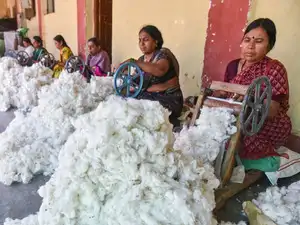
The Indian government has extended the customs duty exemption on cotton imports until December 31, providing continued relief to the country’s textile industry amid concerns over domestic cotton availability and firm prices. The decision is intended to help manufacturers secure adequate raw materials while managing input costs.
The extension allows textile companies to continue importing cotton without the applicable customs duty during the extended period. It offers manufacturers greater flexibility in sourcing raw materials from international markets at reduced costs, particularly as domestic production concerns continue to influence prices.
Government Extends Relief for Textile Manufacturers
The continuation of the duty exemption is expected to benefit businesses across India’s textile value chain. Cotton is a key raw material for spinning mills, fabric manufacturers and garment producers, making its price and availability important factors in determining production costs.
By extending the exemption until December 31, the government has provided manufacturers with additional time to arrange cotton supplies without facing the customs duty burden. This could help companies manage procurement expenses and maintain production schedules.
The measure is particularly relevant for manufacturers that depend on imported cotton to supplement domestic supplies. Access to international markets gives them another sourcing option when local availability becomes tight or prices remain elevated.
Firm Domestic Cotton Prices Drive Import Demand
Domestic cotton prices have remained firm amid concerns over production and availability. Such conditions can increase pressure on textile manufacturers, especially businesses that operate with significant raw material requirements and face competition in domestic and export markets.
When domestic cotton becomes expensive, manufacturers may consider imports to diversify their sourcing and manage procurement costs. The duty exemption makes this option more attractive by reducing the tax burden associated with imported cotton.
However, the impact on overall input costs will also depend on international cotton prices, exchange rates, shipping expenses and the availability of suitable supplies in overseas markets.
How the Duty Exemption Could Benefit India’s Textile Industry
The textile sector is closely linked to cotton availability because changes in raw material costs can affect production across multiple stages, from yarn manufacturing to finished garments. Higher cotton prices can put pressure on manufacturers’ margins or force them to adjust product prices.
Continued duty-free imports could help textile businesses access additional supplies and reduce some of the cost pressures arising from firm domestic prices. Greater sourcing flexibility may also help manufacturers plan production and fulfil orders more consistently.
The extension could be particularly useful for smaller manufacturers and spinning mills that have limited flexibility to absorb sudden increases in raw material expenses. Nevertheless, the actual benefit will vary depending on each company’s import requirements and procurement arrangements.
Potential Support for Textile Exports
India’s textile industry serves both domestic and international markets. The cost and availability of cotton can influence the competitiveness of Indian yarn, fabric and garment producers against manufacturers in other countries.
Access to imported cotton at lower landed costs could help businesses manage production expenses and support their ability to compete in overseas markets. More predictable raw material procurement may also help exporters meet delivery commitments.
The extension does not automatically guarantee lower textile prices or higher exports. Its broader impact will depend on how manufacturers use the additional sourcing flexibility and how domestic and international cotton markets develop.
December 31 Deadline Gives Manufacturers More Time
The extension of the customs duty exemption until December 31 gives textile manufacturers a longer window to benefit from the import relief. Companies can use this period to assess domestic supply conditions, compare international sourcing options and plan their raw material requirements.
For the government, the decision represents a measure to support an important manufacturing sector facing raw material cost pressures. For textile businesses, the continued exemption provides additional flexibility at a time when domestic cotton prices remain firm.
Market participants will now watch domestic production, cotton prices and import activity to assess whether the extension helps improve raw material availability and ease cost pressures across India’s textile industry.
For breaking news and live news updates, like us on Facebook or follow us on Twitter and Instagram. Read more on Latest Business on thefoxdaily.com.






COMMENTS 0