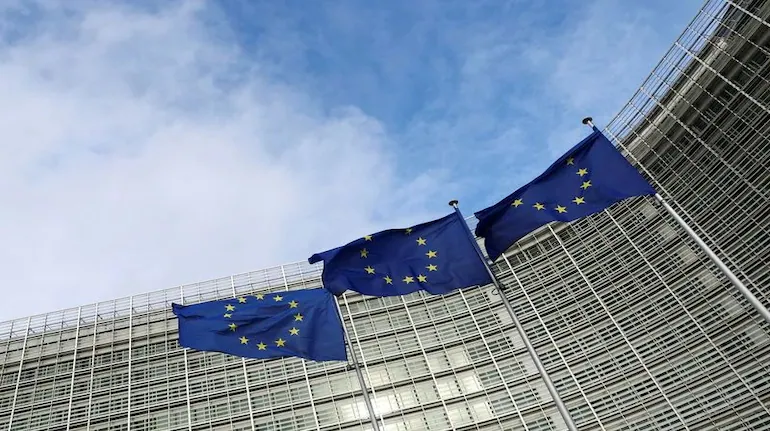
India and the European Union (EU) are likely to sign their long-awaited Free Trade Agreement (FTA) on December 16 during Prime Minister Narendra Modi’s expected visit to Brussels, marking a major milestone in economic relations between the two sides. The proposed agreement is designed to reduce trade barriers, expand market access and strengthen commercial ties between India and the 27-member European bloc.
The deal, negotiations for which were concluded on January 27 this year, follows more than two decades of discussions. Once implemented, it is expected to provide duty-free access to the EU market for 93 per cent of Indian shipments, creating new opportunities for Indian exporters across several sectors.
The agreement is also expected to make certain European products, including luxury cars and wines, less expensive for Indian consumers by reducing import duties. Its impact will therefore extend beyond exporters to manufacturers, businesses, investors and consumers in both markets.
European Union Ambassador to India Jean-Eric Paquet has indicated that the agreement would be signed during Modi’s December visit and is expected to come into force next year. An official also told PTI that December 16 is the likely signing date.
India-EU Free Trade Agreement: Why December 16 Matters
The proposed December 16 signing would mark the transition of the India-EU FTA from concluded negotiations towards formal approval and implementation. The two sides completed negotiations on January 27 after years of discussions over tariffs, market access and the rules governing trade between their economies.
The European Commission has already submitted proposals to the Council of the European Union seeking authorisation to sign and conclude the agreement. These proposals include the final legal text and tariff schedules, which set out the agreed arrangements for reducing or eliminating duties on traded goods.
The submission of these documents is an important procedural step because a trade agreement must pass through the required institutional processes before it can be formally signed and brought into effect. The expected signing is therefore a significant development, but it does not automatically mean that all provisions will become operational immediately.
According to Paquet, the agreement is expected to come into force next year. The period between signing and implementation will be important for completing the remaining formalities and preparing businesses to operate under the new trade rules.
What Is the ‘Mother of All Deals’?
The India-EU agreement has been described as the ‘mother of all deals’ because of the scale of the markets involved and the potential breadth of its economic impact. It brings together India and a 27-member economic bloc with substantial purchasing power, industrial capacity and influence in International Trade.
The agreement is expected to provide duty-free access to the EU market for 93 per cent of Indian shipments. This could improve the competitiveness of Indian products by reducing or removing customs duties that exporters currently face when selling goods in European markets.
Lower tariffs can make exported products more attractive to buyers by reducing the additional costs associated with importing them. For Indian businesses, improved access could create opportunities to expand sales, reach new customers and strengthen their position against competitors from countries with preferential trade arrangements.
However, the actual benefits will depend on the agreement’s product-specific tariff schedules, rules of origin and other conditions. Duty-free treatment does not necessarily mean that every product will enter the EU without regulatory requirements. Exporters will still need to meet applicable product standards, certification requirements and other market regulations.
Which Indian Exporters Could Benefit?
The proposed reduction in trade barriers could create opportunities for a broad range of Indian exporters. Businesses that already sell goods to European customers may find it easier to compete if tariffs on their products are reduced or eliminated.
Greater market access could also encourage companies that have not traditionally exported to the EU to explore opportunities in the bloc. Smaller businesses may benefit if lower customs costs make European markets more commercially attractive, although their ability to take advantage of the agreement will also depend on logistics, production capacity and compliance requirements.
The agreement’s potential importance lies not only in the immediate reduction of duties but also in the possibility of more predictable trade conditions. A clearer framework for market access can help businesses plan investments, build supply-chain relationships and make longer-term decisions about production and exports.
For India, expanding access to the European market could support efforts to diversify export destinations and strengthen the role of Indian manufacturers and service providers in international trade. The extent of these gains will become clearer once the final provisions are implemented and businesses begin using the new arrangements.
European Luxury Cars and Wines May Become Cheaper in India
The FTA is not expected to benefit only Indian exporters. It is also likely to reduce the cost of certain imports from the European Union, including luxury cars and wines.
Import duties can significantly increase the final price of foreign products sold in India. If tariffs on eligible European goods are reduced under the agreement, importers may face lower customs costs, potentially creating room for more competitive retail prices.
For the automobile market, lower duties could affect the pricing of eligible European luxury vehicles. It may also influence competition among manufacturers and provide Indian buyers with access to certain imported models at more attractive prices.
European wine producers and Indian importers could similarly benefit from improved tariff conditions. Lower import costs may expand the range of products available to consumers, although the final retail impact will depend on the agreed tariff reductions, taxes and other charges.
It is important to note that the agreement does not necessarily mean all European cars and wines will become immediately cheaper. The final tariff schedules and implementation arrangements will determine which products receive concessions and how quickly those changes affect market prices.
A Combined Market of Around 2 Billion People
One of the most significant features of the India-EU FTA is the size of the market it seeks to connect. Together, India and the European Union represent a combined population of approximately 2 billion people, creating a large potential customer base for businesses on both sides.
The agreement brings together India, described in the supplied data as the world’s fourth-largest economy, and the European Union, the world’s second-largest economic bloc. Their combined economic weight makes the partnership particularly important for international commerce.
India and the EU together account for approximately 25 per cent of global gross domestic product and around one-third of international trade. Their combined trade is valued at about $11 trillion out of a global total of approximately $33 trillion.
These figures explain why the agreement is being viewed as more than a conventional tariff-reduction arrangement. It connects two major economic centres with substantial manufacturing, services, consumer and investment markets.
A more integrated trading relationship could create opportunities for businesses to expand supply chains, establish partnerships and access new sources of demand. It could also strengthen economic cooperation at a time when countries and companies are seeking more diversified international trade relationships.
India and the EU Already Have a Major Trade Relationship
The agreement builds on an existing commercial relationship between India and the European Union. The EU is India’s largest trading partner in goods among individual blocs, reflecting the importance of European markets for Indian exporters and the role of European suppliers in India’s imports.
India, meanwhile, is the EU’s ninth-largest trading partner in goods globally and its sixth-largest trading partner in services. This relationship spans a wide range of commercial activities and provides an established foundation for expanding economic cooperation.
The FTA could help deepen these connections by reducing some of the costs and barriers associated with cross-border trade. It may also encourage companies to explore new commercial partnerships and strengthen existing supply-chain links.
For Indian businesses, the European market offers access to consumers and companies across 27 member countries. For European firms, India represents a large and growing market with demand across consumer goods, industrial products and services.
Why the Agreement Took More Than Two Decades
India and the European Union have spent more than two decades working towards the agreement, reflecting the complexity of negotiating a trade framework between economies with different priorities and regulatory systems.
Trade negotiations involve more than deciding which products should receive lower tariffs. Governments must also agree on market access conditions, legal provisions, product standards and the schedules through which concessions will be introduced.
India’s domestic economic priorities and the EU’s regulatory and commercial requirements have shaped the negotiations. Reaching a final agreement therefore required both sides to work through a broad set of issues before concluding discussions in January.
The completion of negotiations was a major breakthrough, but the agreement’s next phase will be equally important. Formal approval, signing and implementation will determine how quickly businesses and consumers can begin experiencing its benefits.
What Happens After the India-EU FTA Is Signed?
The expected December 16 signing will be an important milestone, but businesses should distinguish between signing an agreement and its actual entry into force. The European Commission has submitted proposals to the Council of the European Union for authorisation to sign and conclude the pact, while the agreement is expected to become operational next year, according to the EU ambassador’s remarks.
Once the required procedures are completed, companies will need to understand the product-specific tariff concessions and conditions governing preferential access. Exporters will also need to ensure that their goods satisfy the applicable rules of origin and regulatory standards.
Indian importers, meanwhile, will need to assess how changes in tariffs affect the cost of eligible European products. The benefits for consumers will depend on how importers, manufacturers and retailers respond to the new arrangements.
The India-EU FTA represents a major opportunity to strengthen trade between two important economic partners. With a combined market of around 2 billion people and a substantial share of global GDP and international trade, the agreement has the potential to reshape commercial opportunities on both sides.
If signed on December 16 and implemented as expected next year, the deal could mark the beginning of a deeper phase in India-EU economic relations. Its long-term success, however, will depend on how effectively businesses use the new market access provisions and how much of the negotiated potential translates into higher trade, investment and economic activity.
For breaking news and live news updates, like us on Facebook or follow us on Twitter and Instagram. Read more on Latest Business on thefoxdaily.com.






COMMENTS 0