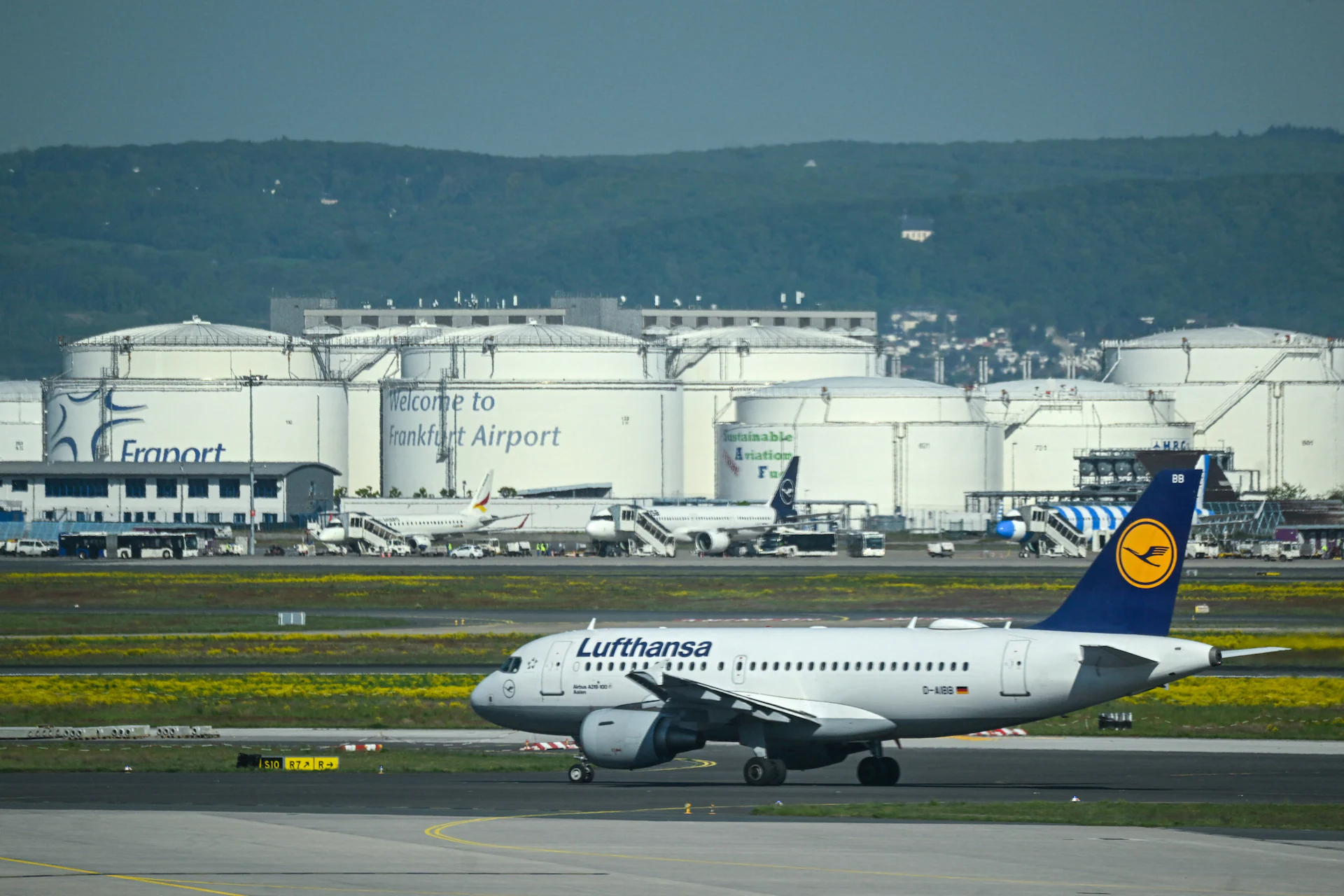
Portugal’s government has selected Lufthansa to acquire a 44.9% stake in TAP Air Portugal for €1.2 billion ($1.3 billion), choosing the German airline over rival Air France-KLM in a major development for Europe’s Aviation Industry.
The decision, announced on Wednesday, makes Lufthansa the strategic partner of TAP, one of Europe’s remaining national airlines outside a major airline group. The transaction follows years of delays and negotiations and marks another step in the consolidation of Europe’s airline sector.
Industry executives and analysts expect consolidation to gain momentum as airlines face mounting financial pressure, including soaring jet fuel costs linked to the war in Iran. Smaller carriers may increasingly seek partnerships with larger, better-capitalised groups to strengthen their finances and remain competitive.
Lufthansa, which already owns Austrian Airlines, ITA Airways and SWISS, prevailed after both it and Air France-KLM submitted improved final offers in late September. Portuguese Prime Minister Luis Montenegro said Lufthansa’s winning bid was 16% higher than the offer submitted by its French-Dutch rival.
The agreement gives Lufthansa an opportunity to expand its presence in southwestern Europe and strengthen its access to international markets through TAP’s established route network.
Why TAP Air Portugal Is Valuable to Lufthansa
TAP’s principal attraction lies in its valuable landing slots at Lisbon airport and its extensive connections with Brazil, Portuguese-speaking African countries and the United States. These routes support Portugal’s relationships with its overseas communities while facilitating tourism, trade and investment.
For Lufthansa, acquiring a stake in TAP offers access to markets where its existing network has had a more limited presence. The Portuguese airline’s geographical position and international connections could complement Lufthansa’s existing operations and expand its reach across the Atlantic.
Aviation analyst John Strickland said the acquisition would provide Lufthansa with an additional hub in a region where the group currently has less influence. He said the deal could offer opportunities to extend the airline group’s reach into southwestern Europe and other international markets.
TAP’s chief executive, Luis Rodrigues, said before the announcement at the World Aviation Festival in Lisbon that joining a larger airline group would allow the carrier to access a broader pool of resources at more favourable costs.
The Portuguese government said its decision was based on more than the purchase price. It also assessed each bidder’s industrial plan, including proposals for TAP’s expansion, connectivity and long-term financial sustainability.
Lufthansa Commits to Expanding TAP’s Fleet
A key element of Lufthansa’s proposal is a commitment to significantly increase TAP’s aircraft fleet over the coming years. Infrastructure Minister Miguel Pinto Luz said Lufthansa had pledged to add 117 aircraft to TAP’s fleet by 2035, followed by another 130 aircraft after 2035.
The later expansion is expected to coincide with the anticipated opening of Lisbon’s new airport, which could provide additional capacity for the Portuguese carrier to expand its operations.
The government also wants TAP’s strategic partner to strengthen connectivity across Portugal’s wider airport network rather than concentrating exclusively on Lisbon. The plan includes developing services through Porto and Faro, as well as the airports serving the Azores and Madeira.
Such an expansion could help distribute tourism and economic activity across the country while improving connections for passengers travelling to and from Portugal’s different regions.
As of June 2026, TAP operated 101 aircraft and served 93 destinations worldwide. Its network included 52 destinations in Europe, 16 in South and Central America, 14 in Africa and 11 in North America.
TAP Reports Strong Passenger Growth in 2026
TAP’s recent operating performance provides a foundation for its proposed expansion. The airline carried a record 8.2 million passengers during the first half of 2026, representing an increase of 4.2% compared with the same period a year earlier.
Operating revenue also increased, rising 4.3% year over year. The growth highlights the importance of TAP’s passenger network and international connections as Lufthansa prepares to become its strategic partner.
However, expanding the airline will require substantial investment, careful capacity planning and the ability to maintain financial discipline. The government’s emphasis on long-term sustainability suggests that the success of the transaction will depend on Lufthansa’s ability to turn its growth commitments into durable operating performance.
Lufthansa Faces Financial Challenges of Its Own
Despite the strategic advantages of the acquisition, analysts have warned that Lufthansa’s own financial difficulties could complicate its efforts to improve TAP’s performance.
Strickland said Lufthansa continued to face financial pressure, with its main airline operations still losing money. He argued that the group needed to resolve its internal problems while managing the costs associated with integrating another carrier.
Acquisitions in the airline industry often require significant upfront investment, while the expected benefits may take years to materialise. Lufthansa will therefore need to balance TAP’s expansion plans against its broader efforts to improve profitability and restore investor confidence.
The group has pledged to achieve an operating profit margin of 8% to 10% between 2028 and 2030. Its strategy includes simplifying and centralising operations to improve efficiency and strengthen financial performance.
The ongoing integration of Italy’s ITA Airways also presents a challenge. Strickland said the turnaround of ITA remained in progress, while investors and analysts had previously raised concerns about the complexity of Lufthansa’s geographically dispersed airline network.
Adding TAP could create new commercial opportunities, but it would also increase the demands on management as Lufthansa works to streamline its existing businesses and integrate its recent acquisitions.
European Airline Consolidation Gains Momentum
The agreement reflects a broader shift in Europe’s aviation industry, where airline groups are seeking greater scale, stronger networks and improved resilience amid rising costs and intense competition.
Higher jet fuel prices associated with the war in Iran have added pressure to airline finances, potentially accelerating the search for partnerships and consolidation opportunities. Larger groups may be better positioned to manage cost fluctuations, coordinate capacity and spread investment across multiple markets.
For Portugal, the Lufthansa partnership is intended to provide TAP with the resources and strategic support needed to expand while preserving its important international connections. For Lufthansa, the acquisition offers a route into additional markets and access to Lisbon’s valuable transatlantic network.
The long-term outcome will depend on whether Lufthansa can deliver the promised fleet expansion, strengthen TAP’s operations beyond Lisbon and improve the carrier’s financial performance while addressing its own profitability challenges.
For breaking news and live news updates, like us on Facebook or follow us on Twitter and Instagram. Read more on Latest Business on thefoxdaily.com.


COMMENTS 0