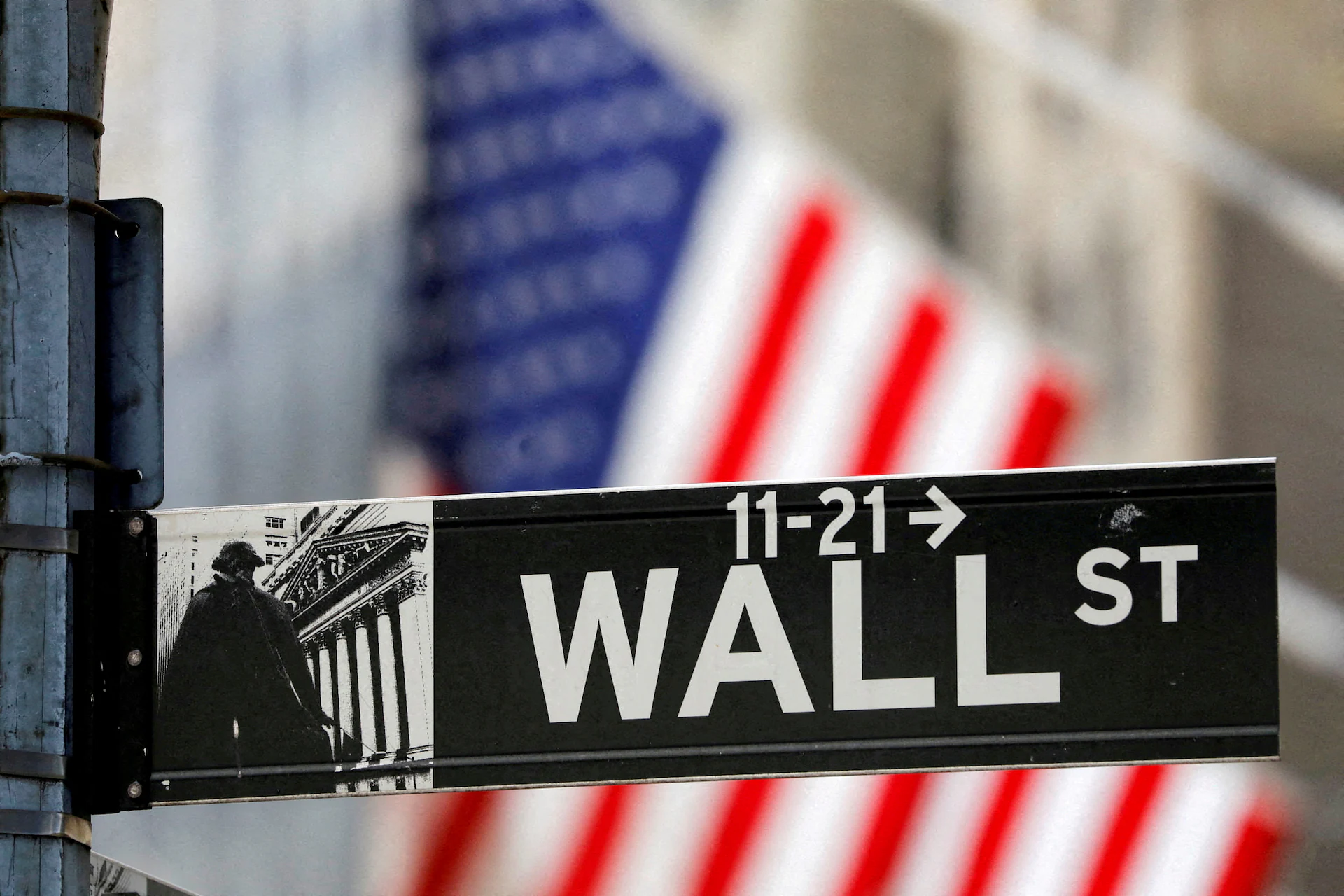
Wall Street‘s major stock indexes were set to open lower on Wednesday after stronger-than-expected US Inflation data increased expectations of another interest rate hike this month. Investors also assessed quarterly earnings from major banks, while losses in semiconductor stocks added pressure to the broader market.
Data from the US Labor Department showed that the Consumer Price Index (CPI) rose 3.7% year over year in September, exceeding economists’ expectations of 3.6%, according to a Reuters poll. On a monthly basis, consumer prices increased 0.6%, in line with forecasts.
The higher annual inflation reading raised concerns that price pressures could remain persistent, potentially prompting the Federal Reserve to maintain a tighter monetary policy. Traders increased their expectations of an October rate hike following the report, putting additional pressure on equities ahead of the market opening.
Hotter Inflation Data Raises Federal Reserve Rate-Hike Expectations
Interest rate expectations shifted significantly after the inflation figures were released. According to data compiled by LSEG, traders saw a 46% probability of a quarter-percentage-point rate increase in October, compared with 21.6% before the report.
The stronger inflation reading has complicated the outlook for Federal Reserve policy as officials weigh the need to control prices against the potential impact of higher borrowing costs on economic growth.
Sam Stovall, chief investment strategist at CFRA Research, said the data increased the likelihood of an October rate hike, although he did not expect the central bank to raise rates at that meeting.
Stovall pointed to the timing of US midterm elections, saying he did not expect the Federal Reserve to implement two rate increases within two months of the elections. However, he noted that the central bank had signalled a more hawkish approach, making a December rate increase more likely following the latest inflation figures.
Higher interest rates can weigh on stock valuations by increasing borrowing costs for businesses and consumers. They can also reduce the relative appeal of equities by making interest-bearing investments more attractive.
Federal Reserve Vice Chair for Supervision Michelle Bowman said the central bank had time to assess how financial markets and the economy responded to its September rate increase before deciding whether further action was necessary.
Investors were also awaiting remarks from Richmond Federal Reserve President Tom Barkin and the release of the central bank’s Beige Book, which provides information on economic conditions across its regional districts.
US Stock Futures Point to a Lower Opening
US stock futures indicated losses across the major indexes before the opening bell. At 8:48 a.m. Eastern Time, Dow E-minis were down 103 points, or 0.2%. S&P 500 E-minis had fallen 24.5 points, or 0.31%, while Nasdaq 100 E-minis were lower by 186.5 points, or 0.61%.
The Nasdaq-linked futures showed the steepest decline, reflecting pressure on technology and semiconductor stocks following the inflation report.
Investors were balancing concerns about the potential for higher interest rates against the latest corporate earnings results. While some financial companies reported stronger profits, others faced pressure from regulatory expenses or signs of slower activity in key business segments.
Bank of America Shares Fall After Regulatory Charge
Bank of America shares dropped 7.3% in premarket trading after the lender reported lower third-quarter profit and set aside approximately $1.2 billion to cover regulatory fines.
The charge weighed on the bank’s earnings, highlighting how regulatory costs can affect profitability even as major financial institutions continue to generate revenue from lending, trading and other activities.
Morgan Stanley shares slipped 2.2% despite an increase in quarterly profit, suggesting that investors were assessing more than headline earnings growth when evaluating the latest results.
Asset manager BlackRock moved in the opposite direction, gaining 2.2% after reporting a jump in third-quarter profit. Higher fees from managing client funds helped support its results.
The mixed reactions followed earnings reports from JPMorgan Chase and Goldman Sachs on Monday. Those results suggested that the dealmaking and trading boom that supported record first-half earnings could be losing momentum.
Executives at major banks also pointed to turmoil in the bond market as a factor weighing on activity. Changes in bond prices and yields can affect trading conditions and influence corporate decisions about issuing debt or pursuing mergers and acquisitions.
Chip Stocks Extend Losses Amid China Competition Concerns
Semiconductor stocks added to market pressure after the inflation report, extending a decline that had already affected the sector earlier in the week.
Recent reports about progress in chip design by China’s CXMT have fuelled concerns about increasing competition in the semiconductor industry. Investors have been assessing how advances by Chinese chipmakers could affect established manufacturers and the competitive landscape.
Intel shares fell 2.3% in premarket trading, while Micron declined 1.6%. Nvidia shares slipped 1% as semiconductor stocks faced renewed selling pressure.
The combination of higher interest rate expectations and competition concerns created a challenging backdrop for chipmakers. Technology companies with high growth expectations can be particularly sensitive to changes in borrowing costs and investor assessments of future earnings.
However, several major technology stocks remained in positive territory before the opening bell. Alphabet gained 0.9%, while Microsoft and Amazon.com were marginally higher.
The mixed performance among large technology companies suggested that investors were differentiating between individual businesses rather than selling the entire sector uniformly.
Oil Prices Remain Above $100 as Strait of Hormuz Risks Persist
Oil prices edged higher on Wednesday, with Brent crude holding above $100 per barrel amid renewed concerns about disruptions to energy shipments through the Strait of Hormuz.
The price movement followed reports that two vessels had been struck in the strategic waterway. Iranian officials also told Reuters that the country was deploying new tactics to target ships, adding to concerns about the security of maritime transport in the region.
The Strait of Hormuz is a critical route for global oil shipments, meaning disruptions can affect supply expectations and increase price volatility. Higher crude prices can also add to inflationary pressure by raising fuel, transportation and production costs.
For financial markets, the combination of elevated energy prices and stronger-than-expected inflation presents a particular challenge. If higher fuel costs contribute to persistent inflation, the Federal Reserve could face greater pressure to keep monetary policy restrictive.
Liquidia Shares Surge After Settlement of Legal Disputes
Among individual stocks, Liquidia surged 37.6% in premarket trading after the drugmaker announced that it had settled all six pending lawsuits with United Therapeutics.
The settlement ensures uninterrupted access to Yutrepia, a drug used to treat patients with a form of pulmonary hypertension. The resolution of the legal disputes removed a source of uncertainty surrounding access to the treatment and helped drive the sharp increase in Liquidia shares.
The stock’s advance stood out against a broader market backdrop dominated by inflation concerns, interest rate uncertainty and weakness in semiconductor shares.
Investors Focus on Inflation, Earnings and Fed Policy
Wall Street’s immediate direction will depend on how investors interpret the latest inflation figures alongside corporate earnings and signals from Federal Reserve officials.
The September CPI reading exceeded the annual inflation forecast, increasing market expectations of a possible rate hike and putting pressure on stock futures. At the same time, mixed bank earnings and weakness in semiconductor stocks added to uncertainty.
Investors will also monitor the Federal Reserve’s Beige Book and comments from policymakers for indications of whether economic conditions support further tightening or a pause in rate increases.
For equity markets, persistent inflation could mean higher borrowing costs and pressure on valuations, while continued earnings growth could offer some support. The balance between these forces is likely to remain central to investor sentiment as the trading session unfolds.
For breaking news and live news updates, like us on Facebook or follow us on Twitter and Instagram. Read more on Latest Business on thefoxdaily.com.






COMMENTS 0