
MondelÄz International, the owner of Cadbury and Toblerone, has become involved in a trademark dispute with small Vegan Chocolate maker Moo Free over the use of the word “Snowballs” for a festive confectionery product. The global food company has sent a legal letter to the Devon-based brand, demanding that it remove its White Choccy Snowballs from sale over alleged trademark infringement.
The dispute has emerged just weeks before the busy Christmas shopping season, raising questions about trademark protection, the use of common product names and the challenges smaller food businesses can face when competing with established brands.
Moo Free, which specialises in dairy-free and allergen-friendly chocolate products, has rejected the allegation that it has infringed Mondelēz’s trademark. The company says it has responded to the legal letter and hopes to resolve the disagreement.
Why Mondelēz Is Challenging Moo Free’s White Choccy Snowballs
Mondelēz has accused Moo Free of infringing its trademark through the sale of White Choccy Snowballs. The product consists of biscuit-flavoured rice balls covered in dairy-free white chocolate and is marketed as a vegan confectionery option.
The company argues that it holds trademark rights over the words “Snowball” and “Snowballs” for chocolate confectionery. Cadbury Snowballs first appeared in the UK in 1966, while the products have been sold in their current Mini Snow Balls format since 2023.
According to the information provided, the Cadbury brand registered the use of Snowball and Snowballs for chocolate confectionery as a trademark in 2001. Mondelēz has contacted Moo Free to make it aware of those rights and has asked the smaller company to remove its product from sale.
However, the dispute is not yet a court battle. Mondelēz has stated that it has not initiated legal action and remains open to reaching an amicable resolution.
What Is the Difference Between Cadbury and Moo Free Snowballs?
Although both products use the Snowball name, their ingredients and descriptions differ.
- Cadbury Mini Snow Balls: Made from Dairy Milk chocolate covered in a crispy shell of white icing sugar.
- Moo Free White Choccy Snowballs: Gluten-free, biscuit-flavoured rice balls covered in dairy-free white chocolate.
The difference in ingredients reflects the separate product approaches of the two companies. Cadbury’s offering is a traditional milk-chocolate confectionery product, while Moo Free’s version is designed for consumers looking for vegan and dairy-free alternatives.
The central disagreement is therefore not simply about ingredients. It concerns whether Moo Free’s use of the word “Snowballs” falls within the trademark protection claimed by Mondelēz.
Moo Free Questions Trademark Claim
Mike Jessop, who co-founded Moo Free with his wife in 2010, said he was surprised by the demand from Mondelēz. He explained that he had never heard of Cadbury Snow Balls and could not try the product because he is lactose intolerant.
Jessop also questioned whether a commonly used term such as “snowball” could be protected as a trademark for a confectionery product. He argued that Moo Free was not attempting to copy a distinctive Cadbury product design or brand identity.
The company said it had been selling its White Choccy Snowballs for approximately two years before receiving Mondelēz’s demand shortly before the Christmas trading period.
For a smaller business, the timing of such a dispute can be particularly challenging. Seasonal confectionery products often depend on holiday demand, and an instruction to remove a product from sale can affect marketing, stock management and relationships with retailers.
Moo Free Says It Does Not Accept Infringement Has Been Established
In a letter to customers, Moo Free said it takes intellectual property concerns seriously but does not agree that trademark infringement has been established.
The company confirmed that it had responded to Mondelēz and expressed disappointment at being involved in the dispute. It also voiced support for Catherine’s Originals, another small vegan chocolate business facing a separate disagreement with the same multinational company.
Moo Free said it hoped the matters could be resolved appropriately. Its response indicates that the company intends to defend its position rather than automatically accept the demand to withdraw the product.
Mondelēz Says Cadbury Snow Balls Are a Popular Christmas Product
A spokesperson for Mondelēz International said Cadbury Snow Balls were among the company’s popular Christmas products in the UK and were enjoyed by households during the festive season.
The company clarified that it had not taken legal action against Moo Free. Instead, it had contacted the smaller brand to make it aware of its trademark rights.
Mondelēz also said it was open to an amicable resolution, suggesting that the disagreement could potentially be settled through discussions between the businesses rather than a court proceeding.
The company’s position reflects the importance it places on protecting established confectionery brands, particularly products associated with seasonal sales and long-standing consumer recognition.
Second Trademark Dispute Involving a Small Vegan Chocolate Brand
The Moo Free disagreement comes shortly after Mondelēz launched legal action against another small vegan chocolate business, Catherine’s Originals.
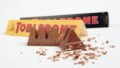
In that separate dispute, Mondelēz accused Catherine’s Originals of copying the distinctive chunky triangular shape associated with Toblerone through its O’bar product.
The two disputes involve different intellectual property issues. The Moo Free disagreement centres on the use of the word Snowballs, while the Catherine’s Originals case concerns the shape of a chocolate product.
The cases have brought attention to the difficulties smaller confectionery companies may face when developing products in a market dominated by internationally recognised brands. They also highlight the role of trademarks and other intellectual property rights in protecting established product identities.
Moo Free’s Journey From a Small Business to Supermarket Shelves
Moo Free was founded in Devon in 2010 by Mike Jessop and his wife. The idea emerged after they struggled to find allergen-free chocolate products for occasions such as Easter and Christmas.
The company initially began selling its products online before securing retail opportunities with Waitrose and subsequently expanding into other supermarkets.
Its business focuses on dairy-free chocolate and products designed for consumers with particular dietary requirements. Its presence in major supermarkets and online retail channels has helped it reach customers looking for alternatives to conventional chocolate confectionery.
The current trademark disagreement could therefore have implications for a product that forms part of its seasonal offering, particularly if the company is unable to continue selling it under its existing name.
Earlier UK Snowball Dispute Involved Tunnock’s and Lees
The UK has previously seen a legal disagreement involving snowball confectionery, although that case concerned a different issue.
In 2014, Scottish confectionery businesses Tunnock’s and Lees won a legal dispute against HMRC over the VAT treatment of their coconut-covered products.
The companies successfully argued that their confections were sufficiently similar to cakes to qualify for a VAT exemption. Following the decision, snowballs made by the two suppliers were given their own VAT-free status.
Those products were defined as domes of marshmallow coated in combinations of chocolate, sugar strands, carob, cocoa or coconut. The case demonstrated how the classification of a confectionery product can have significant tax consequences for manufacturers.
Unlike the Tunnock’s and Lees dispute, the current disagreement between Mondelēz and Moo Free concerns trademark rights rather than taxation.
What Happens Next in the Mondelēz-Moo Free Dispute?
The immediate outcome will depend on whether the two companies can reach an agreement over the use of the Snowballs name. Mondelēz has said it is open to an amicable resolution, while Moo Free has maintained that no infringement has been established.
If the disagreement is not resolved through discussions, further legal steps could become a possibility. However, Mondelēz has explicitly stated that it has not taken legal action at this stage.
The dispute also raises broader questions about how trademark rights apply to words that may have descriptive or commonly understood meanings. The legal position depends on the scope of the registered trademark and the relevant circumstances of its use.
For now, the disagreement places two very different businesses in a dispute over a festive chocolate product. As the Christmas season approaches, the outcome could determine whether Moo Free continues selling its White Choccy Snowballs under their existing name or has to consider a change to its product branding.
For breaking news and live news updates, like us on Facebook or follow us on Twitter and Instagram. Read more on Latest Business on thefoxdaily.com.

COMMENTS 0