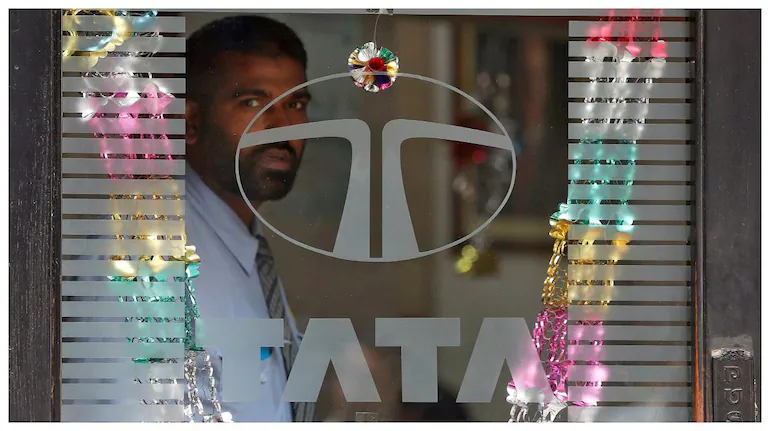
The Tata Sons board meeting will proceed as scheduled on November 30 after the Bombay High Court declined to grant interim relief to Tata Trusts in their legal challenge to the reappointment of N Chandrasekaran as executive chairman. However, the court clarified that any resolutions passed during the meeting will remain subject to its final order in the matter.
The development means the company’s board can continue with its scheduled meeting, but decisions taken during the proceedings may remain affected by the outcome of the ongoing legal dispute. The next hearing has been scheduled for January 21.
The case centres on two petitions filed by the Sir Dorabji Tata Trust (SDTT) and the RD Tata Trust (RDTT), which have challenged Chandrasekaran’s reappointment for a third consecutive five-year term. The trusts have questioned whether the board followed the voting requirements prescribed under Tata Sons’ Articles of Association (AoA).
Bombay High Court Allows Tata Sons Board Meeting to Proceed
The Bombay High Court declined to grant the interim relief sought by Tata Trusts, allowing the Tata Sons board meeting to take place on November 30 as planned.
However, the court’s direction that all resolutions passed at the meeting will remain subject to its order introduces an important qualification. While the board is not prevented from conducting the meeting, the legal status and implications of its decisions may depend on the court’s eventual ruling.
The distinction is significant because the dispute concerns the validity of a key board decision involving the leadership of Tata Sons. The court has not, at this stage, delivered a final judgment on the trusts’ challenge to Chandrasekaran’s reappointment.
The next hearing on the matter is scheduled for January 21, when the court is expected to continue examining the petitions and the issues raised by the parties.
Why Tata Trusts Challenged N Chandrasekaran’s Reappointment
The legal proceedings arise from the September 17 board resolution approving N Chandrasekaran’s reappointment as executive chairman of Tata Sons for a third consecutive five-year term.
The Sir Dorabji Tata Trust and RD Tata Trust have questioned the validity of that resolution. Their petitions allege that the decision did not meet the voting requirements prescribed under Tata Sons’ Articles of Association.
The Articles of Association are the internal rules governing a company’s structure, decision-making procedures and the responsibilities of its board and shareholders. They establish the framework within which important corporate decisions must be taken.
According to the trusts, the September 17 resolution did not satisfy the relevant voting provisions. Their challenge therefore places the company’s internal governance procedures at the centre of the dispute.
The issue is not simply whether Chandrasekaran should continue as executive chairman. It also concerns whether the process followed by the board complied with the company’s governing documents and the applicable decision-making requirements.
What the Dispute Means for Tata Sons’ Board Decisions
The court’s decision to allow the November 30 meeting to proceed provides Tata Sons with the opportunity to carry out its scheduled board business. However, the condition attached to the resolutions means that decisions taken during the meeting will not be entirely separate from the ongoing litigation.
Any resolutions passed will remain subject to the court’s order. This creates uncertainty around the longer-term position of decisions that may be connected to the issues being examined in the case.
For Corporate Governance, the dispute highlights the importance of following the procedures set out in a company’s Articles of Association. Board resolutions must comply with the relevant voting rules and other requirements, particularly when they involve senior leadership appointments.
It also illustrates how disagreements over internal governance can develop into legal proceedings when shareholders or other stakeholders question whether the prescribed process has been followed.
Why the Tata Sons Case Is Important
Tata Sons is the principal holding company of the Tata Group, one of India’s largest and most prominent business groups. Its board decisions and leadership appointments therefore attract considerable attention from investors, businesses and corporate governance observers.
The dispute involving Tata Trusts is particularly significant because it concerns the relationship between the company’s board, its governing documents and the interests of its major stakeholders.
The challenge to Chandrasekaran’s reappointment also places the process for selecting and approving senior leadership under judicial scrutiny. The outcome could provide greater clarity on how the relevant provisions of Tata Sons’ Articles of Association should be interpreted and applied.
However, the Bombay High Court’s latest decision should not be interpreted as a final ruling on the validity of the September 17 resolution. The court has declined interim relief while allowing the board meeting to proceed, with the resolutions remaining subject to its order.
What Happens Next in the Tata Sons Legal Dispute?
The immediate next step is the Tata Sons board meeting scheduled for November 30. The company can proceed with the meeting, but any resolutions passed will remain subject to the court’s order.
The matter will return to the Bombay High Court on January 21. The proceedings are expected to focus on the petitions filed by the Sir Dorabji Tata Trust and RD Tata Trust and their allegations regarding compliance with the voting requirements under the Articles of Association.
Until the court examines the matter further and issues an appropriate ruling, the central question surrounding the September 17 resolution remains unresolved.
The latest development therefore allows Tata Sons to continue with its scheduled board proceedings while preserving the court’s authority over the disputed resolutions. The January 21 hearing will be an important next stage in determining how the legal challenge progresses.
For breaking news and live news updates, like us on Facebook or follow us on Twitter and Instagram. Read more on Latest Business on thefoxdaily.com.




COMMENTS 0