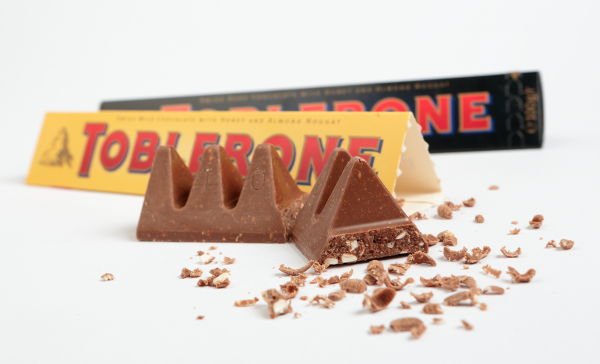
Mondelēz International, the owner of Toblerone, has launched legal action against British vegan chocolate maker Catherine’s Originals over the shape of its O’bar chocolate. The company has filed a case at the High Court in London, alleging passing off and trademark infringement, claiming that the smaller brand’s product copies the distinctive design associated with the Swiss chocolate bar.
Catherine’s Originals has rejected the allegations, maintaining that its chocolate bar has its own distinctive design and identity. The dispute highlights the challenges smaller food businesses can face when developing products in markets where established brands have invested heavily in protecting recognisable designs.
The case centres on the O’bar, a chocolate bar divided into segments featuring rounded, semi-oval humps. Mondelēz argues that Toblerone’s distinctive shape is a recognisable feature of its brand, while Catherine’s Originals says its design reflects the letter “O” in the word Originals.
Why Is Toblerone Owner Mondelēz Suing Catherine’s Originals?
Mondelēz has accused Catherine’s Originals of “passing off” and trademark infringement over the shape of its O’bar chocolate. Passing off generally involves a business allegedly presenting its goods or services in a way that misleads consumers into believing they are associated with another established business.
The legal dispute concerns whether the O’bar’s design infringes the intellectual property rights associated with Toblerone or creates a misleading association with the established chocolate brand. These questions will need to be assessed through the legal process.
Mondelēz has described Toblerone’s distinctive shape as one of the most recognisable product designs in the United Kingdom and internationally. The company says the design has been a defining feature of the brand since 1929 and argues that it has a responsibility to protect its trademarks and intellectual property.
According to Mondelēz, it attempted to resolve the disagreement directly with Catherine’s Originals over several months but could not reach an agreement. The company has therefore taken the matter to court.
What Is Catherine’s Originals’ O’bar Chocolate?
Catherine’s Originals is a British vegan chocolate business founded in 2021 by Catherine Dodd, who was a teenager when she established the company. The brand produces its chocolate in Walberton, Sussex, and sells its products through markets, online channels and subscriptions.
Its O’bar features a series of rounded, semi-oval chocolate segments. The bars are sold in several varieties, including milk and plain options, as well as flavours such as pumpkin spice and cinnamon swirl.
The 200-gram bars cost £9.20 for the milk or plain varieties, while some speciality flavours are priced as high as £10.55. By comparison, a standard milk chocolate Toblerone can be purchased for around £2.50, according to the supplied report.
The price difference reflects the distinct products and positioning of the two brands. However, the central issue in the lawsuit is not simply price or flavour but the design of the chocolate and whether it infringes Mondelēz’s intellectual property rights.
Catherine Dodd Rejects the Trademark Infringement Allegations
Catherine Dodd has firmly disputed Mondelēz’s claims, arguing that the O’bar’s design was created independently and reflects the identity of Catherine’s Originals.
Dodd explained that the shape represents the letter “O” in Originals. She said the business stands behind the product and identity it has developed and is working with its legal team to defend its position.
She also acknowledged the pressure the dispute places on a small business, describing the experience as frightening after investing considerable effort in building the company. However, she stressed that the size of a business should not prevent it from defending its work and identity.
The brand’s legal adviser, Stephen Lowry of Brandsmiths, also rejected Mondelēz’s position. He said Catherine’s Originals considers the O’bar to have a distinctive design and identity and intends to address the allegations through the appropriate legal process.
The company’s response makes clear that it does not accept the claim that its chocolate bar improperly copies Toblerone. The court proceedings will determine how the competing arguments should be assessed under the applicable law.
What Has Mondelēz Said About Protecting Toblerone’s Shape?
Mondelēz has defended its decision to pursue legal action by emphasising the commercial importance of Toblerone’s distinctive appearance. The company owns several well-known confectionery brands, including Cadbury and Côte d’Or, alongside Toblerone.
In its statement, Mondelēz said the Toblerone shape has been a hallmark of the brand since 1929. It argued that protecting trademarks and intellectual property is an important responsibility and said it had tried to resolve the disagreement with Catherine’s Originals before taking legal action.
The company declined to comment further because the matter is now subject to ongoing legal proceedings.
For established consumer brands, product design can be an important part of brand recognition. Distinctive shapes, packaging and visual features may help customers identify a product even before they read its name. Legal disputes can arise when another business introduces a product with a design that the established brand considers too similar.
However, the existence of a resemblance does not by itself establish infringement. The legal questions depend on the relevant rights, the similarities between the products and the circumstances of the case.
The Previous Toblerone Dispute Involving Poundland
The legal action against Catherine’s Originals is not the first time Mondelēz has challenged a product over similarities to Toblerone’s distinctive shape.
In 2017, budget retailer Poundland was forced to delay the launch of its Twin Peaks chocolate bar after receiving a legal warning from Mondelēz. The product featured two peaks rather than the multiple triangular peaks associated with Toblerone.
Poundland eventually relaunched the bar after changing its packaging colour and modifying the chocolate’s shape. The product remains on sale, according to the supplied report.
The earlier dispute illustrates how differences in product design and packaging can become important when businesses disagree over intellectual property rights. It also provides context for Mondelēz’s latest legal challenge, although the outcome of the Catherine’s Originals case will depend on its own facts and legal arguments.
Why the Case Matters for Small Chocolate Businesses
The dispute raises broader questions about how smaller food businesses can develop distinctive products while operating in markets dominated by established brands. Product appearance can help a new company stand out, but designs that resemble well-known products may attract legal scrutiny.
For independent manufacturers, defending a legal claim can create financial and operational pressure. Legal costs, management time and uncertainty over a product’s future can be particularly challenging for businesses with fewer resources than multinational competitors.
At the same time, established brands have an interest in protecting intellectual property that distinguishes their products in competitive markets. The legal system provides a process for examining these competing interests and determining whether a particular design violates enforceable rights.
The case therefore has implications beyond the two companies involved. Its handling could offer insight into how disputes over the shape of consumer products are assessed, although any wider significance will depend on the court’s findings and the specific rights at issue.
What Happens Next in the Toblerone-O’bar Legal Dispute?
The case at the High Court in London will address Mondelēz’s allegations against Catherine’s Originals and the smaller company’s defence. The dispute centres on whether the O’bar’s shape infringes Toblerone’s protected intellectual property or amounts to passing off.
Catherine’s Originals has made clear that it intends to contest the claim, arguing that its product has its own identity. Mondelēz, meanwhile, maintains that protecting Toblerone’s recognisable design is necessary to safeguard its intellectual property.
No final outcome is established in the supplied report. Until the legal process resolves the dispute, the competing positions remain allegations and responses rather than a judicial finding of infringement.
The case underscores the importance of product design in the confectionery industry, where visual identity can be central to a brand’s reputation. For Mondelēz, the dispute is about protecting one of Toblerone’s defining features. For Catherine’s Originals, it is about defending the design and identity of a business built around its own chocolate products.
For breaking news and live news updates, like us on Facebook or follow us on Twitter and Instagram. Read more on Latest Business on thefoxdaily.com.

COMMENTS 0