
Global Oil Prices surged to a five-month high on Thursday as attacks on targets in Saudi Arabia and reports of damaged vessels near the Strait of Hormuz heightened concerns about disruptions to international crude supplies. Renewed hostilities in the Middle East also unsettled Financial Markets, with investors assessing the risks of higher inflation and borrowing costs.
Brent crude, the international benchmark for oil prices, climbed 3% to reach $112 a barrel, its highest level since May 18. The increase reflected growing concerns that escalating military activity could threaten critical energy infrastructure and shipping routes across the Persian Gulf.
The latest attacks have raised fresh questions about the stability of oil shipments from one of the world’s most important energy-producing regions. Although exports from the Persian Gulf have recovered above prewar levels, further disruption around the Strait of Hormuz could increase uncertainty over global supply and push energy prices higher.
Attacks in Saudi Arabia Raise Energy Supply Concerns
Yemeni Houthi forces aligned with Iran struck several targets in Saudi Arabia on Wednesday, intensifying concerns about the security of the country’s infrastructure and energy sector.
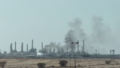
Two people were killed and eight others injured in an attack on a civilian airport in Dammam, according to the reported account. A separate drone attack on a Saudi oilfield killed two people.
Saudi Arabia is a major global oil producer, making the security of its oilfields, processing facilities and export infrastructure important to international energy markets. Attacks affecting these assets could disrupt production or transportation and increase the risk premium traders attach to crude oil prices.
The latest incidents have added to fears that the conflict could spread further across the region. For oil traders, the central concern is whether attacks will remain limited or develop into a broader campaign that affects production facilities, shipping routes and energy exports.
Iran’s Revolutionary Guard Reports Vessel Attacks
The Iranian Islamic Revolutionary Guard Corps (IRGC) said four vessels involved in what it described as illegal oil transfers in the northern Gulf were tracked by its forces, struck and set on fire on Wednesday.
The IRGC also reported that three additional vessels collided with mines west of the Strait of Hormuz. It warned the United States that continued provocations could lead to a wider response targeting American bases across the region.
The reports have intensified concerns about maritime security in waters that are essential to international oil transportation. Any sustained threat to commercial shipping could increase insurance costs, complicate tanker movements and delay deliveries to refineries and other buyers.
However, the reported incidents do not by themselves establish the extent of any disruption to overall oil shipments. Their potential impact will depend on the severity of the damage, the security situation around shipping lanes and whether further attacks occur.
Strait of Hormuz Remains Critical to Global Oil Markets
The Strait of Hormuz is one of the world’s most strategically important energy shipping routes, connecting the Persian Gulf with international markets. A significant interruption to traffic through the narrow waterway can affect the movement of crude oil and other energy products to major importers.
Concerns about the strait intensified almost eight months ago when Tehran effectively blocked the route following US-Israeli attacks on Iran. The resulting disruption triggered fears of one of the most severe energy supply crises in the history of the oil market.
During the early stages of the conflict, crude prices rose above $100 a barrel as shipments through Hormuz came to a halt. Some market observers warned that prices could reach $150 a barrel if supply disruptions persisted.
The latest attacks have revived concerns that the region could face another period of instability. Even without a complete shutdown of the strait, threats to vessels and energy infrastructure can create uncertainty about the reliability of future supplies.
For countries that depend heavily on imported oil, higher crude prices can increase fuel costs, put pressure on businesses and contribute to inflation. The effects can spread across transport, manufacturing, agriculture and other sectors that rely on energy.
Oil Prices Recover After Earlier Declines
Oil prices have experienced significant fluctuations throughout the conflict, reflecting changing expectations about supply disruptions and the possibility of a ceasefire.
Crude prices peaked at $126 a barrel in April before retreating below $100 in late May. Prices subsequently fell to around $71 at the beginning of July as hopes grew that the conflict could ease.
The market began moving higher again after a memorandum of understanding between the United States and Iran collapsed and renewed hostilities broke out in the Gulf.
The latest rise to $112 a barrel marks a substantial recovery from the lows recorded earlier in the year. It also demonstrates how quickly geopolitical developments can change expectations about energy supply and demand.
Traders are now monitoring whether the latest attacks will lead to further interruptions in oil production or transportation. The duration and geographic spread of the conflict will be important factors in determining whether prices continue rising or retreat as supply concerns ease.
Gulf Oil Exports Rise Above Prewar Levels
Despite the renewed security concerns, data from commodities analytics firm Kpler indicates that oil exports from the Persian Gulf have risen above their prewar levels.
Part of the increase has been attributed to greater use of overland pipelines that transport oil towards the Red Sea and the Gulf of Oman. These alternative routes can help producers move some supplies without relying entirely on shipping through the Strait of Hormuz.
The recovery in exports provides an important counterpoint to concerns about a renewed supply crisis. It suggests that producers and transport operators have been able to maintain or increase shipments despite the difficult regional environment.
However, alternative routes cannot necessarily replace all the volumes that would be affected by a major disruption to the strait. Their capacity, operating conditions and exposure to security risks will influence how effectively they can support global supply.
Consequently, rising exports do not eliminate the possibility of further price volatility. Traders must continue weighing the availability of crude against the risk of new attacks and potential interruptions to shipping.
US Orders Some Diplomats to Leave Middle East Missions
The deteriorating security situation has also prompted precautionary measures by the United States. Washington has ordered some diplomats and their family members to leave their missions in Saudi Arabia and plans to withdraw family members from several other diplomatic posts in the Middle East, according to Reuters.
Saudi Aramco has also instructed staff to evacuate its headquarters in Dhahran and work remotely, Reuters reported.
These measures underline the growing concern about the potential for further escalation. The safety of diplomatic personnel and energy industry employees has become an additional consideration as regional tensions increase.
For energy markets, developments involving major producers and their operations can influence expectations about the reliability of supply. Even precautionary measures may reinforce investor concerns when they occur alongside attacks on energy-related targets and commercial vessels.
Global Stock Markets Fall as Inflation Fears Grow
The surge in oil prices unsettled global financial markets on Thursday as investors considered the possibility that higher energy costs could push inflation upwards and delay reductions in borrowing costs.
In Europe, the Stoxx Europe 600 index, which tracks major companies across the continent, fell 1%. The UK’s FTSE 100 declined 0.7%.
Asian markets also recorded significant losses. Japan’s Nikkei 225 dropped 2.7%, while South Korea’s Kospi fell 3.5%. Hong Kong’s Hang Seng index declined 3%.
Higher oil prices can affect companies through increased fuel, transport and production costs. Businesses may absorb some of these expenses, reducing profit margins, or pass them on to customers, contributing to higher consumer prices.
For central banks, an energy-driven increase in inflation can complicate decisions about interest rates. If fuel prices remain elevated, policymakers may find it harder to bring inflation down, potentially keeping borrowing costs higher for longer.
Investors are therefore watching the oil market not only for its implications for energy companies but also for its potential effects on economic growth, corporate earnings and monetary policy.
What the Oil Price Surge Means for the Global Economy
The rise in Brent crude to $112 a barrel highlights the continued vulnerability of Global Energy Markets to geopolitical developments in the Middle East.
If attacks on vessels, oilfields or other infrastructure continue, traders may factor a greater risk of supply disruptions into prices. Shipping delays and higher insurance costs could also increase the expense of transporting oil, even if overall exports remain relatively strong.
Consumers could face higher petrol and diesel prices, while businesses may encounter rising costs for freight, manufacturing and other energy-intensive activities. Countries that rely on imported oil could also face pressure on their trade balances and inflation rates.
On the other hand, sustained export growth, effective alternative transport routes or a reduction in regional hostilities could help ease supply concerns and limit further price increases.
For now, the direction of oil prices will depend heavily on the security situation around the Strait of Hormuz, the condition of regional energy infrastructure and the ability of producers to maintain shipments.
With Brent crude reaching its highest level since May, markets remain alert to the possibility of further escalation. The latest attacks have reinforced the importance of the Middle East to global energy security and highlighted how quickly renewed conflict can affect oil prices, financial markets and the broader economic outlook.
For breaking news and live news updates, like us on Facebook or follow us on Twitter and Instagram. Read more on Latest Business on thefoxdaily.com.




COMMENTS 0