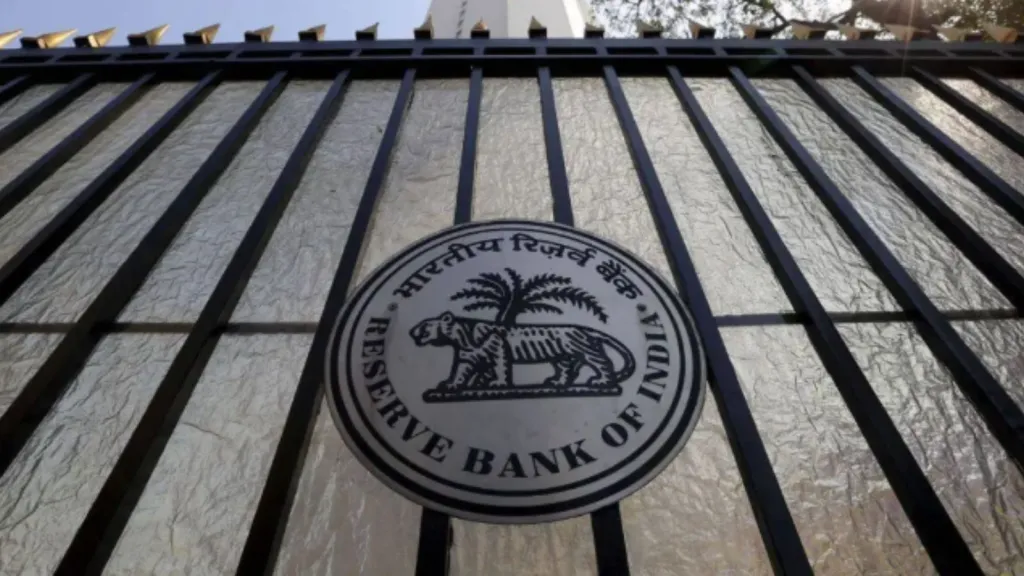
The Reserve Bank of India (RBI) is seeking to appoint an agency to manage its social media presence, strengthen digital communication and expand public engagement through online platforms. The central bank has invited bids from agencies capable of providing round-the-clock social media management, producing digital content and podcasts, monitoring online conversations and handling public responses.
The initiative reflects the RBI’s efforts to strengthen communication in an increasingly digital-first information environment. Social media platforms have become important channels for sharing policy announcements, explaining financial developments and communicating public awareness messages. A dedicated agency could help the central bank coordinate these activities and monitor how its messages are received online.
According to the tender notice issued by the RBI’s Department of Communication, the selected agency will be expected to support social media strategy, creative development, podcast production, promotional campaigns and digital analytics. The tender also includes requirements related to online monitoring and the handling of certain profile takedown issues.
RBI Social Media Tender: Important Dates
The tender process began on October 7. According to the RBI, bids are scheduled to close at noon on November 6, while the opening of bids is scheduled for noon on November 9.
- Tender commencement: October 7
- Bid submission deadline: November 6 at 12 noon
- Bid opening: November 9 at 12 noon
- Submission method: Online through the Central Public Procurement Portal (CPPP)
- Bid evaluation: Separate technical and commercial bids
Agencies interested in participating must follow the submission requirements and provide the documents specified in the request for proposal. The RBI has made it clear that physical bids will not be accepted.
These dates are important for prospective bidders because the tender follows a formal procurement process. Agencies must complete their submissions through the designated online portal before the deadline and ensure that their documentation meets the stated requirements.
What Services Will the Selected Agency Provide?
The RBI is looking for an agency capable of managing several aspects of its digital communication. Rather than focusing only on publishing posts, the proposed assignment covers strategy, content development, audience engagement, monitoring and performance analysis.
1. Round-the-clock social media management
The selected agency will be responsible for supporting the RBI’s social media strategy and management on a round-the-clock basis. This requirement points to the importance of maintaining consistent digital communication and monitoring developments across online platforms.
Continuous monitoring can help an organisation identify emerging public questions, track discussions surrounding its announcements and respond to communication needs in a timely manner. For a central bank, this can be particularly relevant when financial policy decisions or public awareness messages generate widespread attention.
2. Digital content and creative development
The scope of work includes developing creative material for social media platforms. Such content can help communicate complex financial information in formats that are easier for different audiences to understand.
Central bank communication can cover monetary policy, banking regulations, digital payments, financial awareness and other topics relevant to consumers and businesses. Digital creatives can support the presentation of this information through platform-appropriate formats.
The tender does not provide a detailed breakdown of the number or type of creative materials to be produced. Agencies will need to consult the official request for proposal for the complete technical requirements.
3. Podcast production and management
The proposed contract also includes producing and managing podcasts. Podcasts offer an additional format for explaining financial issues, presenting information and engaging audiences who prefer audio content.
For the RBI, podcasts could complement written announcements and social media posts by providing another way to communicate information about banking and financial matters. However, the specific podcast formats, production frequency and content schedule are not detailed in the supplied tender summary.
4. Social media listening and analytics
The agency will also be required to undertake social media listening and analytics. These activities involve monitoring online conversations and examining available performance data to understand audience engagement.
Social media listening can help identify recurring questions, public reactions and topics attracting attention. Analytics can provide information about the reach and engagement of published content, helping organisations assess whether their communication activities are reaching their intended audiences.
For a public institution, these tools can support better planning and help identify areas where financial information may require clearer explanation. The tender, however, does not specify the exact analytical tools or performance indicators that the selected agency must use.
5. Promotional campaigns and public responses
The assignment includes planning and executing promotional campaigns, along with managing online responses. These responsibilities suggest that the RBI wants a coordinated approach to distributing information and engaging with audiences across its digital platforms.
Managing responses can help ensure that online engagement is organised and that relevant public queries are handled according to the bank’s communication requirements. The exact approval procedures, response protocols and division of responsibilities will depend on the tender’s detailed terms.
Online Monitoring and Profile Takedown Requirements
The RBI’s pre-bid meeting minutes indicate that the agency will be required to monitor online editions. The tender discussions also refer to handling profile takedowns arising from creative issues or other specified reasons.
These requirements suggest that the assignment extends beyond routine content publication to include monitoring and certain aspects of digital account or profile management. Such responsibilities can be important for maintaining consistency across online platforms and addressing issues involving published creative material.
However, the available information does not explain the full circumstances in which profile takedowns would be required or establish that the agency would have unrestricted authority to remove content. Prospective bidders will need to examine the official tender documents and any clarifications issued by the RBI to understand the precise scope of these obligations.
How Will the RBI Evaluate Bids?
The RBI will use a two-bid procurement system. Under this arrangement, participating agencies must submit separate technical and commercial bids rather than combining all information into a single proposal.
The technical bid will be assessed first to determine whether an agency meets the requirements specified in the tender. Only commercial bids submitted by agencies that qualify during the technical evaluation will be opened.
According to the tender terms described in the notice, the contract will be awarded to the lowest bidder among those that satisfy the technical requirements.
This process separates the assessment of an agency’s technical eligibility from the comparison of its proposed price. Agencies must therefore meet the required standards before their commercial offers can be considered in the final selection.
The lowest-bidder approach also means that submitting the cheapest offer alone will not be sufficient if an agency fails to qualify during the technical evaluation. The precise technical criteria and documentation requirements are contained in the request for proposal.
Online Submission Is Mandatory
The RBI has stated that physical bids will not be accepted. All submissions must be made electronically through the Central Public Procurement Portal against the specified tender event number.
Participating agencies must upload the documents required under the request for proposal and follow the portal’s submission procedures. They should also review the tender conditions carefully to ensure that their technical and commercial bids are submitted in the prescribed format.
The online-only process establishes a common submission channel for prospective bidders. It also means that agencies must account for the deadline and ensure that their documents are successfully submitted before the tender closes.
The RBI has reserved the right to amend the proposed plan. If changes are made, a revised electronic tender will be uploaded to the CPPP, and participating agencies will be required to submit fresh bids in accordance with the revised requirements.
Successful Bidder Must Provide a 5% Bank Guarantee
The successful bidder will be required to furnish a bank guarantee equivalent to 5% of the work order amount. This requirement forms part of the financial and contractual conditions associated with the proposed engagement.
A bank guarantee provides a form of financial assurance under the terms of a contract. The precise conditions governing its validity, submission and enforcement will depend on the tender documentation.
The RBI has also stated that tax deducted at source (TDS) and TDS under the Goods and Services Tax regime will be applied at the applicable rates.
Agencies evaluating whether to participate in the tender will need to consider these financial obligations alongside the proposed scope of work, staffing requirements and other contractual conditions.
Independent Monitors Appointed Under Integrity Pact
The RBI has appointed two independent external monitors under the tender’s Integrity Pact framework: Nageshwar Rao Koripalli, a retired Indian Revenue Service officer, and Pramod Shripad Phalnikar, a retired Indian Police Service officer.
The arrangement is intended to provide oversight under the tender’s integrity framework. Independent monitoring can form part of procurement safeguards designed to support transparency and adherence to applicable procedures.
The tender also requires participating agencies to treat all documents, information, data and communications involving the RBI as privileged and confidential. This condition places an obligation on bidders to handle information received during the engagement in accordance with the tender’s confidentiality requirements.
For an agency managing the digital communications of a major public institution, confidentiality and procedural compliance are important considerations. The selected provider will need to understand and follow the conditions specified in the final contract.
Contract Value and Duration Not Disclosed in Available Details
The tender information provided does not specify the contract’s total value or the duration of the engagement. These details are important for agencies assessing the resources, staffing and financial commitments needed to perform the assignment.
The final commercial arrangement will depend on the tender process and the conditions set out in the official procurement documents. Prospective bidders should consult the complete request for proposal and any subsequent amendments or clarifications published by the RBI.
Because the procurement remains subject to the bidding and evaluation process, the available information does not establish which agency will be selected or when the contract will begin.
Why the RBI’s Digital Communication Strategy Matters
The RBI plays a central role in India’s financial system, overseeing important areas of monetary policy, banking regulation and payment systems. Its decisions and public communications can affect banks, businesses, consumers and financial markets.
Clear communication is therefore important when the central bank announces policy changes, issues regulatory instructions or publishes public awareness information. Digital platforms can help distribute such information quickly and make it accessible to a wider audience.
A dedicated agency could provide specialised support across content creation, social media monitoring, campaign planning and performance analysis. Bringing these activities under a coordinated arrangement may also help the RBI maintain consistency in how information is presented across its digital channels.
At the same time, effective public communication requires more than frequent posting. Accuracy, clarity, timely updates and adherence to institutional communication procedures remain essential, particularly when information concerns financial decisions or regulatory requirements.
The tender’s emphasis on round-the-clock management, content production and analytics indicates that the RBI is seeking a broad set of digital communication services. The actual impact will depend on how the selected agency performs its responsibilities and how the bank evaluates the effectiveness of its outreach.
What Happens Next in the RBI Tender Process?
The immediate next steps are the closing of bids on November 6 and the scheduled opening of bids on November 9. After submission, agencies will be subject to the technical evaluation process before eligible commercial bids are opened.
The RBI may also issue amendments or revised tender documents if it changes the proposed requirements. In such a case, participating agencies will have to follow the revised instructions and submit fresh bids as required.
Once the evaluation process is completed, the contract can be awarded in accordance with the tender conditions. The available notice does not specify the successful bidder, final contract value or duration.
Conclusion
The Reserve Bank of India’s decision to invite bids for social media management marks an effort to strengthen its digital communication and public engagement capabilities. The proposed assignment covers round-the-clock social media management, digital creatives, podcasts, promotional campaigns, online monitoring, analytics and public responses.
The tender follows a two-bid evaluation system, requires electronic submissions through the Central Public Procurement Portal and includes a bank guarantee equivalent to 5% of the work order amount. The RBI has also established an integrity oversight arrangement through two independent external monitors.
With bids scheduled to close on November 6 and open on November 9, the next stage will be the evaluation of participating agencies. The contract value and duration have not been specified in the available details, and the outcome will depend on the formal procurement process.
For breaking news and live news updates, like us on Facebook or follow us on Twitter and Instagram. Read more on Latest Business on thefoxdaily.com.





COMMENTS 0