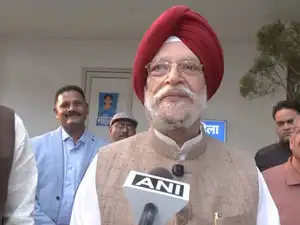
Petrol and diesel prices in India have increased by around 7% over the past four years, significantly less than the reported 50-70% rise in several global markets, Union Petroleum and Natural Gas Minister Hardeep Singh Puri has said. He attributed India’s comparatively limited increase to government measures, including three reductions in central excise duty on fuel.
Puri’s remarks come amid continued volatility in international crude oil markets, driven by geopolitical tensions and conflicts affecting global energy supplies. He also addressed concerns about a possible LPG shortage, rejecting reports of a supply crisis and pointing to an increase in domestic LPG production.
The minister’s comments highlight the challenge of balancing domestic fuel-price stability with changing international oil costs. India depends significantly on imported crude oil, leaving its energy market exposed to developments in major oil-producing regions and global supply routes.
India’s Fuel Prices Rose Around 7% Over Four Years
According to Puri, petrol and diesel prices in India have risen by approximately 7% over four years, compared with increases of 50-70% in global markets. The comparison was used to highlight the government’s efforts to limit the impact of international energy-price movements on Indian consumers.
Retail Fuel Prices are influenced by several factors, including international crude oil prices, refining costs, transportation expenses, currency movements, central and state taxes, and dealer commissions. As a result, changes in global oil prices do not always translate into identical changes at petrol pumps in different countries.
India’s fuel-price structure also includes central excise duty and state-level value-added tax. These taxes form an important part of the final retail price, meaning government decisions on taxation can influence how much of a change in international crude costs is passed on to consumers.
The comparison cited by Puri reflects the government’s assessment of India’s fuel-price performance. However, international comparisons can vary depending on the countries selected, the period examined, the type of fuel and the method used to calculate price changes.
Three Central Excise Duty Cuts Helped Limit Price Increases
Puri said the government implemented three reductions in central excise duty on petrol and diesel to help maintain relatively stable retail prices. Lowering excise duty can reduce the tax component of fuel prices and provide relief to consumers when international oil markets are under pressure.
Excise duty is a central government levy applied to fuel. When the duty is reduced, the tax burden included in the retail price can fall, although the final price also depends on state taxes and other cost components.
Fuel taxation is an important policy instrument because it affects both household expenditure and government revenue. Reductions can provide short-term relief to motorists, transport operators and businesses that rely heavily on diesel, but they also reduce the amount of revenue collected by the Centre.
The impact of such measures depends on the scale of the duty reduction and movements in other components of the retail price. Therefore, lower central taxes do not automatically guarantee that pump prices will remain unchanged under all market conditions.
Geopolitical Tensions Continue to Affect Crude Oil Markets
International conflicts and geopolitical tensions remain significant sources of uncertainty for the global crude oil market. Disruptions or risks to production, transportation and shipping routes can influence oil prices even before an actual shortage occurs.
Crude oil is traded in a global market, where prices respond to expectations about supply, demand, inventories and future economic activity. Political developments in major producing regions can therefore affect energy costs across countries, including those that import most of their crude requirements.
For India, changes in international oil prices are particularly important because imported crude is a major input for domestic fuel production. A sustained increase in crude prices can raise the cost of imports and place pressure on the country’s trade balance and foreign exchange requirements.
Currency movements can add another layer of pressure. If the rupee weakens against the US dollar, the cost of purchasing dollar-priced crude oil can rise even when international prices remain relatively stable.
These factors make fuel-price management difficult. The government and oil marketing companies must consider international costs alongside domestic inflation, consumer affordability and the financial position of fuel suppliers.
Puri Rejects Reports of an LPG Shortage
The petroleum minister also criticised reports and rumours suggesting that India was facing an LPG shortage. He emphasised that domestic LPG production had increased, seeking to reassure consumers about the availability of cooking gas.
Liquefied petroleum gas, commonly known as LPG, is widely used by Indian households for cooking. It is also consumed by commercial establishments and certain industrial users. Any disruption in its availability can affect household budgets and businesses that depend on regular supplies.
Domestic production is one part of India’s LPG supply system. The country’s overall availability also depends on imports, refinery output, distribution networks, storage capacity and transportation arrangements.
An increase in domestic production can strengthen supply resilience and reduce some dependence on overseas purchases. However, production figures alone do not provide a complete picture of availability in every region. Distribution efficiency and the movement of supplies through the retail network also matter.
Why LPG Supply Security Matters for Indian Households
LPG availability is closely connected to household energy security, particularly for families that depend on cylinders for everyday cooking. A shortage or delay in deliveries can create practical difficulties and may force consumers to seek alternative cooking arrangements.
India’s LPG market combines domestic production with imported supplies to meet demand. This means international shipping conditions, energy prices and geopolitical developments can affect the supply chain even when domestic production is rising.
Maintaining reliable supplies therefore requires coordination across refineries, import terminals, storage facilities, distributors and transport networks. Clear communication from authorities is also important during periods of uncertainty because unverified shortage reports can contribute to unnecessary panic buying.
Consumers should rely on official announcements and authorised distributors for information about availability rather than unverified messages circulating on social media.
What India’s Fuel-Price Policy Means for Consumers
Petrol and diesel prices influence more than the cost of private vehicle travel. Diesel is widely used in freight transportation, agriculture, construction and several industrial activities. Changes in its price can therefore affect the operating costs of businesses and the movement of goods.
Higher transportation expenses can eventually put pressure on the prices of food, manufactured products and other essentials. This makes fuel-price movements an important consideration for inflation and household purchasing power.
Keeping retail fuel prices relatively stable can help limit sudden cost increases for consumers and businesses. However, prolonged efforts to absorb higher international costs can create financial pressure elsewhere in the energy supply chain, depending on how those costs are managed.
The government’s approach therefore involves balancing consumer relief, tax revenue, energy security and the financial sustainability of fuel suppliers. The right balance can become more difficult to maintain when global crude prices experience sharp or prolonged increases.
Outlook: Global Oil Prices Remain a Key Variable
Puri’s statement that petrol and diesel prices in India rose around 7% over four years, compared with reported global increases of 50-70%, underlines the government’s emphasis on limiting the effect of international energy-market volatility on domestic consumers.
Three central excise duty reductions were among the measures cited by the minister, while his comments on LPG focused on increased domestic production and concerns about shortage rumours.
However, India’s exposure to international crude oil markets remains significant. Geopolitical conflicts, supply disruptions, currency movements and changes in global demand could continue to influence domestic energy costs.
The next key development will likely depend on how international crude prices and geopolitical conditions evolve. For consumers, the government’s ability to maintain fuel-price stability will depend not only on taxation decisions but also on the cost of imported energy and the resilience of domestic supply chains.
For breaking news and live news updates, like us on Facebook or follow us on Twitter and Instagram. Read more on Latest Business on thefoxdaily.com.






COMMENTS 0