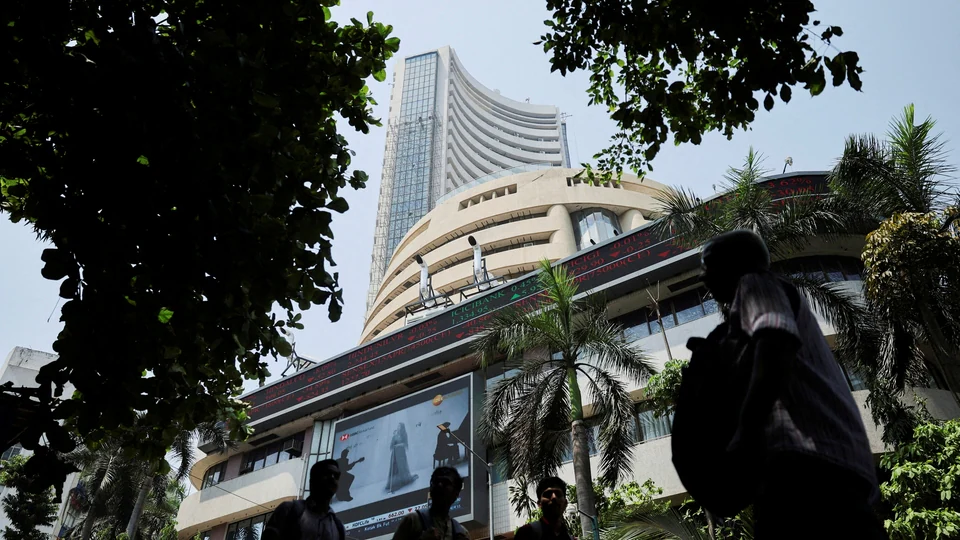
Indian stock markets are closed on Tuesday, October 20, 2026, for the Dussehra festival, with trading scheduled to resume on Wednesday, October 21. Both the Bombay Stock Exchange (BSE) and the National Stock Exchange (NSE) have listed Dussehra as a trading holiday in their 2026 calendars.
The market holiday comes after a difficult session on Monday, when benchmark indices recorded sharp losses amid selling pressure in private banking stocks, disappointing corporate earnings and rising crude oil prices. Investors will return to the market on Wednesday with attention focused on company earnings, international market movements, oil prices and currency stability.
Indian Stock Market Holiday on Dussehra 2026
The BSE and NSE will remain closed for trading in several market segments on Tuesday in observance of Dussehra. Trading in equities, equity derivatives, currencies and securities lending and borrowing (SLB) will remain suspended for the day.
The Multi Commodity Exchange of India (MCX) will follow a different schedule. Commodity trading will remain suspended during the morning session before resuming in the evening.
Dussehra is an important Indian festival, and stock exchanges include the occasion in their annual holiday calendars. Investors and traders should account for the closure when planning transactions, monitoring positions or scheduling market-related activities.
With regular equity trading suspended for the day, the next trading session is scheduled for Wednesday, October 21. Market participants will then assess new corporate earnings announcements, movements in crude oil prices and global economic developments for fresh direction.
Sensex Falls 876 Points as Selling Pressure Intensifies
Indian benchmark indices ended sharply lower on Monday, October 19, as investors reduced exposure to equities amid concerns about corporate earnings, banking stocks and rising energy prices.
The BSE Sensex declined 876.37 points, or 1.17%, to close at 73,852.90. The NSE Nifty 50 fell 257.20 points, or 1.11%, to settle at 22,888.95.
The declines reflected broad selling pressure across much of the market. Weakness in private banking stocks, earnings that fell short of expectations and cautious sentiment in global markets contributed to the negative session.
The losses also came as investors assessed the potential impact of elevated crude oil prices on India’s inflation outlook and corporate profitability. Higher oil prices can increase costs for businesses and put additional pressure on an economy that relies heavily on imported crude.
Private Bank Stocks and Corporate Earnings Weigh on Sentiment
Weakness in private banking stocks was one of the key factors behind Monday’s market decline. Financial stocks carry significant weight in India’s benchmark indices, meaning substantial movements in major banking shares can influence overall market performance.
Disappointing corporate earnings also affected investor sentiment. When companies report results below market expectations, investors may reassess their growth outlook, earnings forecasts and valuations.
Vikram Kasat, chief business officer for advisory and dealing at PL Capital, said weakness in private banks, corporate earnings that missed expectations and cautious global sentiment had intensified profit-booking.
Profit-booking occurs when investors sell shares to realise gains or reduce their exposure to the market. During uncertain trading conditions, such activity can increase selling pressure, particularly when several negative developments affect sentiment simultaneously.
Investors are expected to continue examining company results as the earnings season progresses. The performance of major banks and other large companies could influence market direction when trading resumes after the holiday.
Nifty PSU Bank Index Gains While IT and FMCG Stocks Decline
Monday’s market weakness extended across most major sectors, although public sector banking stocks moved against the broader trend.
The Nifty PSU Bank index was the only major sectoral index to finish in positive territory, gaining 2.41%. In contrast, the Nifty IT index declined 1.56%, while the Nifty FMCG index fell 1.40%.
The contrasting performance highlighted the uneven nature of trading during the session. While public sector banking shares attracted buying interest, information technology and fast-moving consumer goods stocks faced selling pressure.
Sectoral performance will remain important when the market reopens because different industries respond differently to earnings announcements, interest rates, currency movements and changes in input costs.
Investors will also assess whether Monday’s declines lead to further selling or create opportunities for renewed buying. The direction of individual sectors will depend on company-specific developments and broader market conditions.
Crude Oil Prices Remain a Major Concern for Indian Markets
Crude oil prices remain an important factor influencing sentiment in Indian equity markets. Brent crude was trading at $109.66 per barrel, up 0.10% at the time the report was filed.
Elevated oil prices can create economic challenges for India because the country depends significantly on imported crude to meet its energy requirements. When international oil prices rise, the cost of imports can increase, potentially putting pressure on inflation, the currency and the country’s external finances.
Higher crude prices can also affect corporate earnings. Businesses in sectors such as aviation, transportation, logistics and manufacturing may face increased fuel, freight or production costs. Companies that cannot pass these additional expenses on to customers may experience pressure on profit margins.
Oil price movements can therefore influence investor expectations about inflation, economic growth and future corporate profitability. If crude prices remain elevated, market participants may continue to monitor the potential implications for businesses and household spending.
For the stock market, the combination of higher energy costs and disappointing earnings could remain a source of uncertainty during the coming sessions.
Global Market Sentiment and Currency Stability in Focus
International market trends are another factor investors are expected to monitor when Indian exchanges reopen on Wednesday. Changes in global risk appetite can influence foreign investment flows, sectoral performance and demand for emerging-market equities.
Developments in global economic growth, inflation and monetary policy can also affect market expectations. Uncertainty in international markets may encourage investors to reduce exposure to riskier assets, while improving sentiment can support buying activity.
Currency stability will be another important consideration. Movements in the Indian rupee can affect import costs, particularly for businesses that depend on overseas supplies of crude oil, equipment or other raw materials.
Currency changes can also influence export-oriented companies, including information technology businesses, because a weaker rupee may affect the value of overseas revenue when converted into domestic currency.
Kasat said markets could remain volatile as investors track corporate earnings, crude oil prices and currency stability. These factors are likely to remain central to the market outlook when regular trading resumes.
What Investors Should Watch When Trading Resumes on October 21
Wednesday’s trading session will give investors an opportunity to respond to new information and reassess the market outlook following Monday’s decline and Tuesday’s holiday.
Several factors are likely to shape trading activity:
- Corporate earnings: Investors will assess upcoming results against expectations, with particular attention to profitability, revenue growth and management outlooks.
- Crude oil prices: Movements in Brent crude will remain important because higher energy costs can affect inflation and corporate margins.
- Banking stocks: The performance of private banks could influence the benchmark indices following Monday’s selling pressure.
- Global market cues: International equity movements and changes in investor risk appetite may affect domestic sentiment.
- Currency stability: Movements in the rupee could influence import costs, foreign investment sentiment and the performance of export-oriented businesses.
Investors will also look for signs of whether Monday’s losses represent a temporary correction or the beginning of sustained selling pressure. The answer will depend on the interaction between earnings developments, global conditions and domestic economic factors.
Will the Sensex and Nifty Recover After the Holiday?
The market’s direction on Wednesday remains uncertain. Monday’s decline reflected a combination of weak private banking stocks, disappointing corporate earnings and concerns about rising crude oil prices.
A recovery would depend on factors such as improved global sentiment, supportive company results and greater stability in oil prices and the currency. Continued pressure on earnings or a further rise in energy costs could, however, weigh on investor confidence.
The holiday itself does not determine the direction of the next session. Instead, investors will respond to available market information and any developments that emerge while domestic equity trading is suspended.
Market participants should also remember that benchmark movements do not necessarily reflect the performance of every stock. Individual companies and sectors may react differently to earnings announcements, valuation changes and shifts in investor expectations.
Conclusion: Indian Markets Reopen on Wednesday After Dussehra
The Sensex and Nifty remain closed on Tuesday, October 20, for Dussehra, with regular equity trading scheduled to resume on Wednesday, October 21. The BSE and NSE holiday covers equities, equity derivatives, currency trading and the securities lending and borrowing segment, while MCX trading is suspended during the morning session and resumes in the evening.
The holiday follows a sharp market decline on Monday, when the Sensex dropped 876.37 points to 73,852.90 and the Nifty 50 lost 257.20 points to close at 22,888.95.
Private banking weakness, disappointing corporate earnings and elevated crude oil prices remain important concerns for investors. When trading resumes, market direction is expected to depend on earnings announcements, international market trends, energy prices and currency movements.
For investors, the next session will provide a fresh opportunity to assess these developments and evaluate the outlook for Indian equities amid continuing uncertainty over corporate profitability and economic conditions.
For breaking news and live news updates, like us on Facebook or follow us on Twitter and Instagram. Read more on Latest Business on thefoxdaily.com.






COMMENTS 0