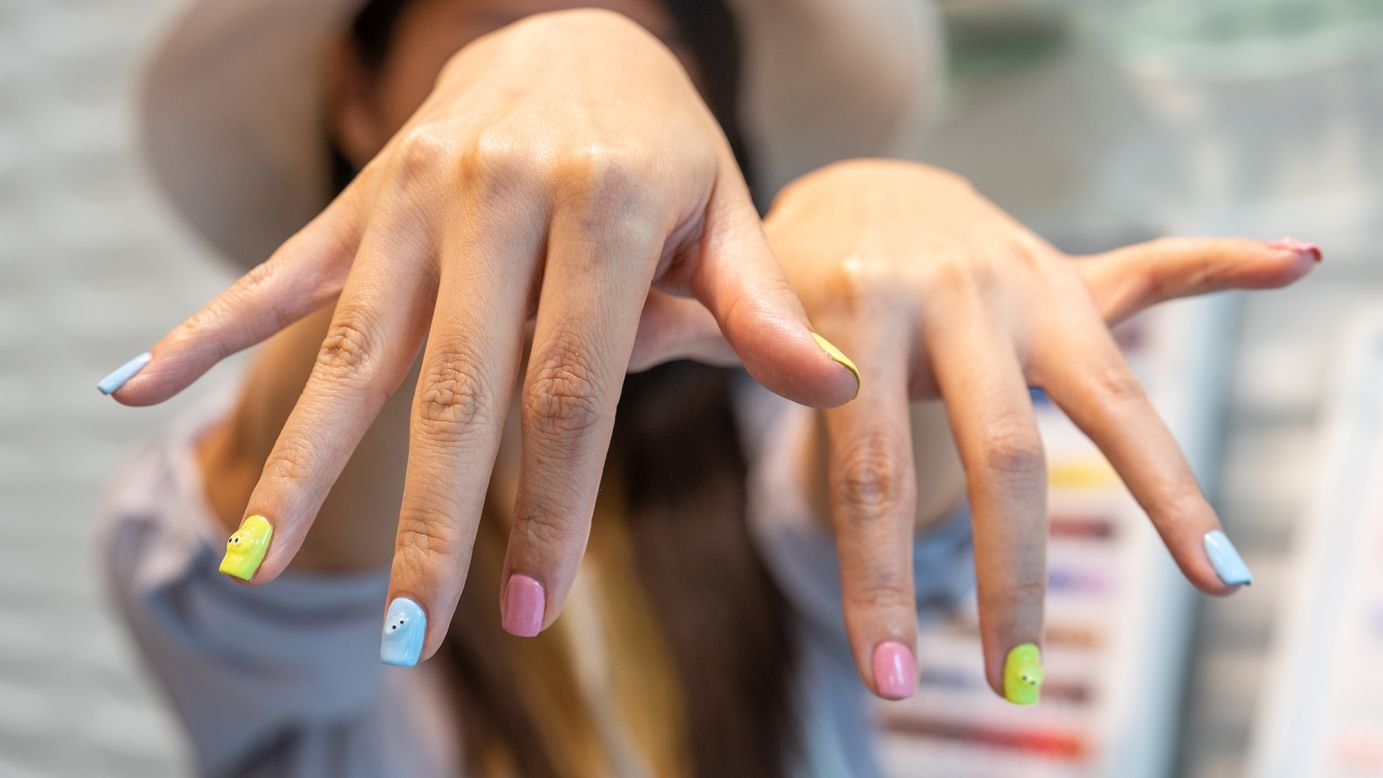
Beauty salons, fitness studios, medical spas and wellness centres are rapidly transforming America’s downtown shopping streets and suburban malls. As consumer spending shifts towards personal appearance, health and self-improvement, businesses offering services such as manicures, Botox, Pilates, saunas and specialised fitness programmes are taking up an increasingly large share of retail space.
This growing trend is being described as the “vanity economy”, where consumers spend more money on looking good, feeling healthier and improving their physical appearance. The shift is changing not only consumer habits but also the way retailers, property developers and shopping centre operators use commercial spaces.
According to commercial real estate data provider CoStar, more than one in four retail leases signed across the United States this year has gone to a cosmetics, beauty services or fitness company. The category is on track to record its highest annual share ever, highlighting the growing importance of appearance and wellness businesses in the American retail market.
Key Highlights
- More than one in four US retail leases signed this year belongs to cosmetics, beauty services or fitness businesses.
- QQ Nails has expanded from around 20 New York locations in 2020 to 38 salons, with plans for further growth.
- Gen Z spending at cosmetics stores was nearly twice as strong as the overall average this year.
- Fitness and wellness businesses are replacing some traditional goods-based retailers in shopping centres.
- Retail landlords are increasingly welcoming gyms, beauty salons, medical spas and other service-oriented businesses.
Beauty and Wellness Businesses Transform American Shopping Streets
The expansion of beauty and wellness businesses is becoming increasingly visible in major American cities. Nail salons, medical spas, boutique fitness studios, stretching centres, saunas and cryotherapy facilities are appearing across downtown commercial areas and suburban shopping destinations.
New York-based QQ Nails provides an example of how quickly the sector is growing. The company opened its first salon in the city around 20 years ago and had expanded to approximately 20 locations by 2020. Since the pandemic, its presence has nearly doubled, reaching 38 salons across New York City.
In one six-block area of Manhattan alone, four QQ Nails locations are operating. The company is also planning to open dozens of additional salons as demand for personal-care services continues to grow.
CEO Tian Jiang said consumers are increasingly willing to spend on self-care, self-expression and more extensive personal services. This reflects a broader change in how people view beauty treatments and wellness activities.
Services that were once considered occasional luxuries are increasingly becoming part of regular consumer routines. Manicures, skincare treatments, fitness memberships and other personal-care activities are now viewed by many customers as investments in their appearance and well-being.
Social Media Is Increasing Demand for Personal Appearance Services
Social media platforms have become an important factor behind the growth of the vanity economy. Consumers increasingly want to look attractive not only when meeting people in person but also when appearing in photographs, videos and online profiles.
Platforms such as Instagram, TikTok and Hinge have increased the visibility of personal appearance. Beauty trends, workout routines, nail designs and skincare techniques can quickly reach large audiences, encouraging consumers to try new services and treatments.
Natalia Mehlman Petrzela, a historian of American politics and culture at The New School, described the growing pressure around appearance as an intensification of what she called aesthetic creep.
She noted that women and gay men have historically experienced pressure to present themselves in particular ways, while straight men are now increasingly becoming part of the beauty and personal-care industry.
This broader interest in appearance is expanding the customer base for businesses that were traditionally associated with specific demographic groups. Men, for example, are increasingly visiting nail salons, while fitness and grooming services are attracting customers across different age groups.
Young Consumers Are Spending More on Self-Improvement
Changing financial priorities among younger consumers are also supporting the expansion of the vanity economy. Traditional milestones such as buying a home, getting married and raising children can feel financially difficult for many people. As a result, some younger consumers are prioritising smaller and more immediate forms of personal satisfaction.
Gym memberships, manicures, skincare treatments and wellness services offer regular opportunities to invest in personal appearance and physical health without making major long-term financial commitments.
According to the Health & Fitness Association, gym and fitness studio memberships among people under 35 are growing faster than those among older age groups. Younger members also spend more on monthly gym dues compared with older generations.
Spending patterns in the cosmetics sector show a similar trend. Gen Z spending at cosmetics stores was nearly twice as strong as the overall average this year.
These trends suggest that younger consumers are becoming an increasingly important customer group for beauty, fitness and wellness businesses. Their spending habits are helping reshape the retail market and influencing which types of businesses receive space in commercial properties.
Nail Salons Are Becoming Part of Everyday Self-Care
The evolution of QQ Nails reflects how personal-care services have changed over the past two decades. When the company opened its first salon in 2006, manicures were largely viewed as occasional pampering experiences involving basic nail cleaning and polish.
Today, customers have access to a much wider range of services, including gel manicures, nail extensions, pedicures and customised designs inspired by social media trends.
More expensive treatments have also become increasingly common. Gel manicures and specialised nail services have expanded the range of options available beyond traditional air-dried nail polish.
According to Jiang, personal-care services have become more deeply integrated into people’s regular routines. The growing popularity of customised treatments and the participation of more male customers demonstrate how the customer base is changing.
The shift also reflects a broader change in consumer attitudes. Beauty treatments are increasingly associated with confidence, personal expression and mental well-being rather than being viewed only as occasional luxuries.
Why the Vanity Economy Is More Resistant to Online Shopping
The expansion of service-based businesses is closely connected to the growth of e-commerce. Online shopping has made it easier for consumers to purchase products such as clothing, electronics, furniture and footwear without visiting physical stores.
This has forced traditional retailers to reconsider the purpose of their storefronts. Businesses that sell physical goods face competition from online platforms that offer home delivery, wider product selections and convenient purchasing options.
However, many personal-care and fitness services cannot be delivered through online shopping. Consumers can order shoes or televisions online, but they still need to visit physical locations for manicures, Botox treatments, specialised workouts and other hands-on services.
This gives beauty and wellness businesses an advantage in an increasingly digital retail environment. Their services require physical interaction, trained professionals and specialised facilities, making traditional storefronts essential to their operations.
According to the retail leasing trend highlighted in the report, service-oriented tenants outpaced goods-based tenants for the first time this year. This marks an important change in the structure of America’s retail property market.
Shopping Centre Owners Are Welcoming Fitness and Beauty Businesses
The growth of the vanity economy is also changing how commercial property owners manage shopping centres. In the past, some landlords and developers were cautious about allowing gyms and personal-care businesses to operate in prime retail locations.
Traditional retailers sometimes included strict lease provisions that restricted fitness businesses from opening nearby. These arrangements limited the ability of shopping centres to accommodate certain service-oriented tenants.
However, as consumer demand has changed, many shopping centres have relaxed these restrictions. Cities have also eased some zoning rules, making it easier for gyms, studios and spas to expand into additional commercial areas.
David Gerstenhaber, head of leasing at Brixmor Property Group, said shopping centres added more boutique fitness businesses as lease restrictions eased.
Brixmor owns more than 340 shopping centres across the United States. Around 40% of its shopping centres now have at least one boutique fitness tenant, compared with 29% in 2021.
Beauty, boutique fitness and wellness businesses, including Face Foundrie and Hydration Room, have grown 11% over the past five years across its properties.
Texas Shopping Centre Reflects the New Retail Trend
Lake Pointe Village in Sugar Land, Texas, illustrates how the vanity economy is changing suburban shopping destinations.
The shopping centre, anchored by Whole Foods, has 13 businesses focused on beauty, fitness and personal wellness. Its tenants include Solidcore, VIO Med Spa and European Wax Center.
The mix of businesses demonstrates how shopping centres are increasingly combining traditional grocery and retail stores with services designed around physical appearance, fitness and personal care.
For property owners, these businesses offer an opportunity to attract customers seeking services that require in-person visits. Unlike many conventional retail purchases, fitness classes, beauty treatments and wellness appointments can encourage repeat visits and regular customer relationships.
Gerstenhaber summarised the appeal of these businesses with a simple idea: looking good and feeling good are increasingly connected in consumer spending decisions.
What the Vanity Economy Means for America’s Retail Market
The rise of beauty, fitness and wellness businesses represents a significant change in the American retail landscape. Commercial spaces that once primarily displayed products are increasingly being used to provide experiences and services that consumers cannot easily obtain online.
For landlords, this creates opportunities to attract new tenants as traditional goods-based retailers face competition from e-commerce. For consumers, it means greater access to specialised personal-care and fitness services in neighbourhood shopping areas.
However, the trend also reflects changing expectations around appearance and self-improvement. Social media exposure, evolving lifestyle priorities and the growing importance of personal wellness are encouraging consumers to spend more on services that help them look and feel better.
The expansion of QQ Nails, boutique fitness studios and medical spas shows that the vanity economy is no longer limited to luxury neighbourhoods or occasional beauty treatments. It is becoming a mainstream part of America’s retail environment.
Conclusion
America’s downtowns and shopping centres are undergoing a major transformation as beauty, fitness and wellness businesses gain a larger share of retail space. The growth of the vanity economy reflects changing consumer priorities, the influence of social media and the limitations of online shopping when it comes to physical services.
With more than one in four US retail leases signed this year going to cosmetics, beauty services or fitness companies, the trend is becoming increasingly important for the commercial property market. As consumers continue to prioritise self-care and personal improvement, businesses offering these services are likely to remain influential in shaping the future of physical retail.
For breaking news and live news updates, like us on Facebook or follow us on Twitter and Instagram. Read more on Latest Business on thefoxdaily.com.






COMMENTS 0