- Balancing Praise for Immigrants with Policy Concerns
- Personal Story Adds Depth to Immigration Debate
- The H-1B Visa System: Opportunities and Challenges
- Citizenship and the Idea of ‘America First’
- Real-Life Impact: Families Caught in Visa Backlogs
- Immigration Policy in a Changing Political Landscape
- The Broader Debate: Integration vs. Identity
- Conclusion: A Complex Yet Crucial Conversation
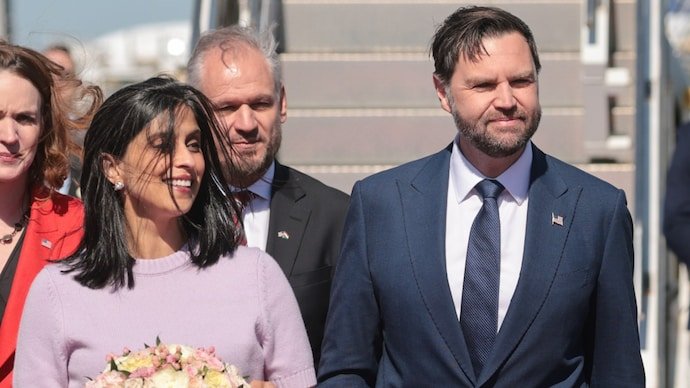
US Vice President JD Vance praised his Indian-origin in-laws during a public event at the University of Georgia on Tuesday, emphasizing how immigrants have enriched the United States while also raising concerns about alleged fraud in the H-1B visa system. Speaking in response to a question from an Indian-origin attendee about green card delays, Vance highlighted the importance of prioritizing American interests, regardless of one’s background. His remarks come at a time when Immigration policy remains a key issue, with increasing scrutiny on visa programs and citizenship expectations in the United States.
Balancing Praise for Immigrants with Policy Concerns
JD Vance’s speech stood out for its balanced tone. On one hand, he openly acknowledged the immense contributions made by immigrants, particularly those who arrive in the United States seeking better opportunities and a chance to build a new life. On the other hand, he did not shy away from criticizing what he described as weaknesses in the H-1B visa system.
According to Vance, it is entirely possible to appreciate immigrants while also demanding accountability and transparency in immigration processes. This dual stance reflects a broader debate in the United States, where policymakers often struggle to reconcile economic needs with regulatory concerns.
“I think there is a lot of fraud in the H-1B system… while also believing that there are people who have come to the United States… who have enriched this country.”
This statement underscores a key theme in modern immigration discourse: the system itself may need reform, even if the individuals within it are making meaningful contributions.
Personal Story Adds Depth to Immigration Debate
One of the most impactful parts of Vance’s remarks was his personal connection to immigration through his wife’s family. He spoke warmly about his Indian-origin in-laws, describing them as hardworking individuals who have contributed positively to American society.
In particular, he highlighted his father-in-law as an example of someone who fully embraced American values after immigrating to the country. This personal narrative helped humanize what is often a highly politicized issue.
“I’m married to the daughter of immigrants from India… they’ve been great contributors to the United States of America.”
By sharing his own experiences, Vance reinforced the idea that immigrants are not just statistics or policy subjects—they are individuals and families who play a vital role in shaping the nation.
The H-1B Visa System: Opportunities and Challenges
The H-1B visa program has long been a cornerstone of the US Immigration system, allowing skilled foreign workers to contribute to industries such as technology, healthcare, and engineering. However, it has also faced criticism over issues such as misuse, fraud, and unequal access.
Vance’s comments reflect growing concerns among policymakers about ensuring that the program operates fairly and effectively. While he did not provide specific policy proposals, his remarks suggest a desire for tighter regulations and better oversight.
Key Issues in the H-1B System
- Allegations of fraud and misuse by certain employers
- Long waiting times for green cards due to country-based quotas
- Backlogs in processing applications
- Challenges faced by families living in the US for extended periods without permanent residency
These issues were highlighted during the event when an attendee shared her family’s experience of living in the United States for over a decade while still facing uncertainty due to visa limitations.
Citizenship and the Idea of ‘America First’
A central theme in Vance’s speech was the idea that becoming an American citizen comes with a clear responsibility: prioritizing the interests of the United States above all else.
He emphasized that this expectation applies equally to everyone, regardless of whether their family has lived in the country for generations or they are first-generation immigrants.
“You’ve got to think of yourself as an American… and think about the best interest of the country.”
This perspective aligns with a broader political narrative that emphasizes national unity and shared identity. While some view this approach as a necessary foundation for citizenship, others argue that it may overlook the complexities of multicultural identity.
Real-Life Impact: Families Caught in Visa Backlogs
The discussion was sparked by a real-life concern raised during the event—long green card wait times for H-1B visa holders. Many families, particularly from countries like India, face significant delays due to annual caps and country-specific quotas.
These backlogs can result in years, or even decades, of uncertainty. Families often live, work, and pay taxes in the United States without the stability of permanent residency.
| Issue | Impact on Families |
|---|---|
| Green Card Backlogs | Long waiting periods, sometimes over a decade |
| Country-Based Quotas | Disproportionate delays for applicants from certain countries |
| Visa Dependency | Limited job mobility and uncertainty |
| Family Stability | Emotional and financial stress |
Vance acknowledged these challenges indirectly while maintaining that reforms should ensure fairness and integrity in the system.
Immigration Policy in a Changing Political Landscape
Vance’s remarks come amid a broader shift toward stricter immigration policies in the United States. Recent data indicates a rise in enforcement actions and increased scrutiny of visa programs.
This evolving landscape reflects growing concerns about Border Security, economic competition, and the need for a more controlled immigration system. At the same time, it raises important questions about how to maintain the country’s long-standing identity as a destination for immigrants.
The debate is far from simple. Policymakers must balance economic needs, National Security, and humanitarian considerations—often with competing priorities.
The Broader Debate: Integration vs. Identity
At the heart of Vance’s comments is a deeper philosophical question: what does it mean to be American?
His emphasis on prioritizing national interests suggests a model of integration where immigrants fully adopt American identity and values. Supporters argue that this approach fosters unity and cohesion.
Critics, however, point out that the United States has historically thrived as a multicultural society, where diverse identities coexist and contribute to a richer national fabric.
In reality, most immigrants navigate a balance between preserving their heritage and embracing their new home—a process that is both complex and deeply personal.
Conclusion: A Complex Yet Crucial Conversation
JD Vance’s remarks highlight the complexity of modern immigration debates in the United States. By praising his Indian-origin in-laws, he underscored the valuable contributions immigrants make to the country. At the same time, his concerns about the H-1B visa system reflect ongoing challenges that require thoughtful policy solutions.
As immigration continues to shape the nation’s future, the focus will likely remain on finding a balance between openness and regulation. The conversation is not just about policies—it is about people, values, and the kind of society the United States aims to build.
Looking ahead, meaningful reforms will require collaboration, empathy, and a clear understanding of both the opportunities and challenges that immigration brings. If handled well, the system can continue to attract talent while ensuring fairness and integrity—something both policymakers and immigrants themselves can agree is worth striving for.
For breaking news and live news updates, like us on Facebook or follow us on Twitter and Instagram. Read more on Latest World on thefoxdaily.com.






COMMENTS 0