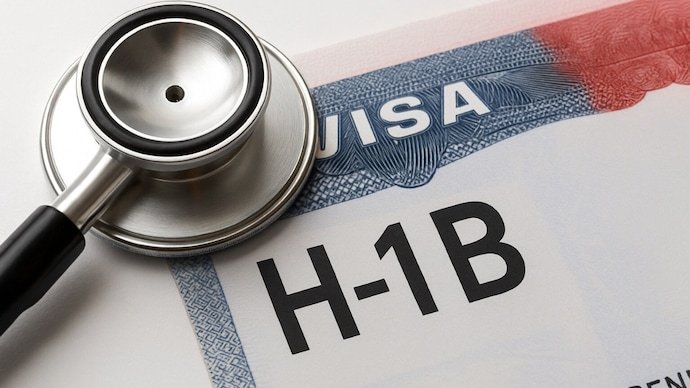
The future of the H-1B visa program, one of the most important pathways for highly skilled foreign professionals to work in the United States, has once again become the center of political debate. Republican Senator Tim Sheehy has introduced legislation that would dramatically reshape the visa system by imposing a three-year pause on issuing new H-1B visas, reinstating a $100,000 petition fee, and tightening eligibility rules for employers and foreign workers.
The proposed legislation, known as the End H-1B Abuse Act, represents one of the most sweeping immigration reform proposals targeting employment-based visas in recent years. While supporters argue the bill protects American workers from unfair competition, critics warn it could worsen skilled labor shortages, disrupt the Technology industry, and reduce the United States’ global competitiveness.
The proposal has attracted significant attention because the H-1B program plays a crucial role in industries ranging from software engineering and artificial intelligence to healthcare, finance, biotechnology, and semiconductor manufacturing.
What Is the H-1B Visa?
The H-1B visa is a temporary non-immigrant Work Visa that allows US employers to hire foreign professionals for specialty occupations requiring specialized knowledge and at least a bachelor’s degree or equivalent expertise.
It is commonly used for positions such as:
- Software engineers.
- Artificial intelligence specialists.
- Cybersecurity professionals.
- Data scientists.
- Doctors and healthcare specialists.
- Engineers.
- Financial analysts.
- Researchers.
Each year, thousands of companies including major technology firms, consulting companies, startups, universities, and healthcare organizations use the program to fill positions where qualified domestic candidates are limited.
Key Proposals in the End H-1B Abuse Act
The proposed legislation would introduce several major changes to the current immigration framework.
| Proposal | Proposed Change |
|---|---|
| New H-1B visas | Pause issuance for three years. |
| Petition fee | Reintroduce a $100,000 fee per H-1B petition. |
| Visa selection | Replace lottery system with wage-based selection. |
| Third-party staffing | Prohibit staffing-agency and concurrent employment models. |
| Dual intent | Remove the provision allowing future permanent residency plans. |
| Dependents | Prevent H-class visa holders from bringing dependents. |
| Federal employment | Bar federal agencies from employing non-immigrant visa holders. |
| Student work programs | Restrict work authorization programs similar to Optional Practical Training (OPT). |
Together, these proposals would significantly reduce the number of foreign professionals entering the US workforce through employment-based visa channels.
Why Senator Tim Sheehy Introduced the Bill
Senator Sheehy argues that the H-1B program has drifted away from its original purpose.
According to the bill’s supporters, the visa should be used only when employers genuinely cannot find qualified American workers rather than serving as a lower-cost hiring alternative.
The proposal is also backed by organizations advocating stricter immigration policies, which argue that stronger safeguards are needed to reduce visa abuse, improve labor market protections, and strengthen National Security.
Supporters believe the legislation would encourage employers to invest more heavily in recruiting and training American workers.
The $100,000 Petition Fee Explained
One of the most controversial elements of the proposal is the revival of a $100,000 fee for every H-1B petition filed by employers.
The fee was previously introduced during the Trump administration but was later struck down by a Federal Court after judges concluded that such a charge required congressional authorization.
The new legislation seeks to place that fee directly into federal law, which would address the legal issue identified by the courts if congress approves the bill.
For employers, such a fee would dramatically increase the cost of hiring foreign workers, particularly for companies that submit hundreds or thousands of petitions annually.
Why Replace the Lottery With a Wage-Based System?
Currently, eligible H-1B petitions are generally selected through a computerized lottery whenever applications exceed the annual cap.
The proposed legislation would instead prioritize workers receiving higher salaries.
Supporters argue that a wage-based system would:
- Prioritize highly specialized talent.
- Discourage low-wage outsourcing models.
- Reduce incentives for wage suppression.
- Ensure visas go to positions with the greatest economic value.
Critics, however, argue that smaller companies and startups offering lower salaries could struggle to compete against large corporations with significantly higher compensation packages.
How Important Is the H-1B Program to the US Economy?
The H-1B program has become deeply integrated into several high-growth sectors of the American economy.
Industries that frequently rely on highly skilled international talent include:
- Artificial intelligence.
- Cloud computing.
- Semiconductor manufacturing.
- Healthcare.
- Biotechnology.
- Academic research.
- Financial technology.
Many employers argue that shortages in specialized technical skills cannot always be addressed quickly through domestic recruitment alone, making international hiring an important component of workforce planning.
Potential Impact on Indian Professionals
Indian nationals have historically accounted for the largest share of H-1B visa recipients, particularly in information technology and engineering roles.
If enacted, the proposed legislation could significantly affect:
- Software developers.
- IT consultants.
- Data engineers.
- Cloud architects.
- Artificial intelligence specialists.
- Recent international graduates seeking US employment.
Indian technology companies that provide consulting and outsourcing services could also experience changes to their hiring strategies because the proposal targets third-party staffing arrangements.
Economic Implications Beyond Immigration
The proposal extends beyond immigration policy and could influence broader economic trends.
Possible consequences include:
- Higher labor costs for employers.
- Slower recruitment for specialized technical positions.
- Greater Investment in domestic workforce development.
- Potential relocation of research and development activities to other countries.
- Increased automation and artificial intelligence adoption to offset talent shortages.
The overall economic impact would depend on how businesses adapt if such reforms eventually become law.
Legal Challenges Could Continue
Even if Congress approves the legislation, implementation could face additional legal scrutiny.
Employment-based immigration policies often become the subject of judicial review, particularly when significant changes affect businesses, universities, or international workers.
Courts may also examine whether specific provisions align with existing immigration statutes and constitutional principles.
Comparison: Current H-1B System vs Proposed Changes
| Feature | Current System | Proposed Bill |
|---|---|---|
| New H-1B visas | Issued annually under statutory cap. | Three-year suspension. |
| Selection process | Lottery-based. | Wage-based priority. |
| Petition fee | Standard filing fees. | $100,000 fee. |
| Third-party staffing | Permitted under existing rules. | Prohibited. |
| Dependents | Generally permitted. | Would be restricted. |
| Dual intent | Allowed. | Would be eliminated. |
Can This Bill Become Law?
Introducing a bill in the Senate is only the first step in the US legislative process.
Before becoming law, the proposal must:
- Advance through Senate committee review.
- Receive approval from the full Senate.
- Pass the House of Representatives.
- Be signed by the President.
Legislation involving immigration often undergoes significant amendments during this process, and many proposals never reach final enactment.
Expert Insight: Why the Debate Extends Beyond Immigration
The H-1B discussion reflects a broader policy debate over balancing economic competitiveness with domestic workforce protection.
Supporters believe stricter rules encourage employers to hire and train American workers while reducing opportunities for misuse of the visa program. Opponents argue that access to global talent has been one of the driving forces behind innovation, Entrepreneurship, and technological leadership in the United States.
The challenge for policymakers is finding an approach that protects workers without discouraging investment, research, and innovation.
Future Outlook
The End H-1B Abuse Act is likely to generate extensive debate among lawmakers, employers, universities, immigration experts, and technology companies in the coming months. Even if the legislation does not pass in its current form, it signals continued political interest in tightening employment-based immigration policies and increasing oversight of foreign hiring.
Businesses dependent on skilled international talent may begin reviewing recruitment strategies while foreign professionals considering careers in the United States will closely monitor legislative developments. The outcome could influence not only immigration policy but also America’s long-term position in the global competition for highly skilled workers.
Conclusion
Senator Tim Sheehy’s proposal represents one of the most far-reaching attempts to reform the H-1B visa program in recent years. By calling for a three-year pause on new visas, reviving a $100,000 petition fee, replacing the lottery with wage-based selection, and imposing additional restrictions on employers and foreign workers, the bill would fundamentally reshape skilled immigration if enacted.
However, the proposal remains at an early stage of the legislative process and faces multiple political and legal hurdles before any of its provisions could take effect. Until Congress acts, the current H-1B framework remains unchanged, but the debate over balancing American workforce priorities with the country’s need for global talent is likely to continue.
For breaking news and live news updates, like us on Facebook or follow us on Twitter and Instagram. Read more on Latest World on thefoxdaily.com.






COMMENTS 0