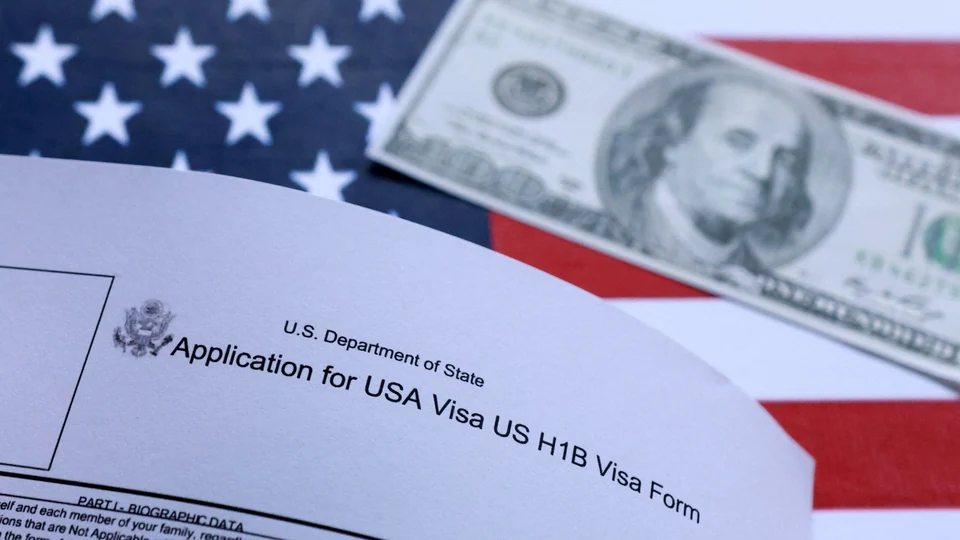
The Texas Department of Agriculture has announced new restrictions preventing businesses that employ H-1B Visa holders from receiving certain department-administered state grants. Texas Agriculture Commissioner Sid Miller announced the policy, saying public funding should support companies that create employment opportunities for Texas residents and invest in local communities.
The move comes amid growing scrutiny of the H-1B visa programme in the United States, which allows employers to recruit foreign professionals for specialised occupations. The programme is widely used by technology companies and other industries, including businesses that hire skilled workers from India.
Texas Changes Grant Eligibility Rules for Businesses Employing H-1B Workers
Under the new requirements, businesses seeking eligible grant funding from the Texas Department of Agriculture (TDA) will face restrictions if they employ workers holding H-1B visas.
The department said the policy is intended to ensure that taxpayer-funded grants benefit businesses creating jobs for Texas residents rather than companies relying on temporary foreign labour.
Miller argued that businesses receiving public financial assistance should demonstrate a commitment to employing local workers and strengthening communities across the state.
He said taxpayers deserved assurances that public money was being used to create employment opportunities for residents who were ready and willing to work.
The commissioner also called on Governor Greg Abbott and other statewide elected officials to consider introducing similar restrictions across their respective agencies.
Commissioner Urges Wider Restrictions Across Texas Agencies
Miller has urged state leaders to review grant programmes, economic development initiatives and funding safeguards to determine whether public assistance is supporting local employment.
He pointed to the state’s investments in education, workforce development and job training, arguing that businesses receiving government support should contribute to employment opportunities for Texas residents.
The commissioner also referred to Abbott’s public statements about prioritising Texans in taxpayer-funded employment, saying that the principle should be reflected in state funding decisions.
His proposal seeks to extend the debate beyond agriculture department grants by encouraging other state agencies to examine the eligibility conditions attached to their financial assistance programmes.
However, the announcement does not establish a statewide prohibition covering every government grant or economic incentive. The new restrictions apply to eligible programmes administered by the Texas Department of Agriculture.
Exceptions to the New H-1B Grant Restrictions
The Texas Department of Agriculture clarified that the policy will not apply to every programme under its administration. Certain grants operated on behalf of independent boards, commissions or other entities will remain outside the new requirements when those organisations establish their own eligibility criteria.
The restrictions also do not prevent public or private entities in Texas from receiving federal grant funding. Businesses can continue participating in state-funded loan programmes administered by the department under the existing arrangements.
These exceptions mean the policy has a narrower scope than a general ban on businesses employing H-1B visa holders from accessing public financial assistance.
The department’s announcement did not disclose how many businesses could be affected or estimate the total amount of grant funding covered by the changes. The financial and employment impact will therefore depend on the programmes involved and the number of applicants affected.
Why the H-1B Visa Programme Is Facing Increased Scrutiny
The H-1B visa programme allows US employers to recruit foreign professionals for jobs requiring specialised knowledge, including positions in technology, engineering, science and other professional fields.
Indian professionals make up a significant share of H-1B visa beneficiaries, particularly in the technology sector. US companies use the programme to recruit skilled workers for roles that require specific technical qualifications and expertise.
Supporters of the programme argue that it helps American businesses access specialised talent and remain competitive in industries facing skills shortages. Critics, however, have raised concerns about the programme’s effects on domestic employment, wages and opportunities for US workers.
Texas’s decision adds a state-level funding dimension to this wider debate. Instead of changing federal immigration rules, the agriculture department is using grant eligibility requirements to influence which businesses can receive certain forms of state assistance.
Potential Impact on Businesses and State Funding
The restrictions could influence how businesses evaluate their eligibility for agriculture department grants and other forms of public assistance. Companies employing H-1B workers may need to review the conditions attached to relevant funding programmes before submitting applications.
The policy could also raise questions about how state agencies define local employment priorities and assess the workforce practices of businesses receiving taxpayer-funded support.
For companies operating across multiple states, differing grant requirements could create additional compliance considerations. Businesses may need to distinguish between federal funding, state grants, state-backed loans and programmes managed by independent public entities.
The broader consequences remain uncertain because the department has not provided an estimate of the number of affected companies or the value of grants involved.
Texas Policy Adds to the National Debate Over Foreign Workers
The announcement reflects the continuing debate over how the United States should balance domestic employment priorities with businesses’ demand for international talent. While federal authorities control immigration and visa rules, state governments can establish eligibility conditions for certain funding programmes they administer.
By restricting access to selected grants for businesses employing H-1B visa holders, Texas is linking some forms of public financial assistance to its stated local workforce priorities.
Whether other Texas agencies adopt similar requirements will depend on the response from Abbott and other statewide officials. For now, the policy remains limited to eligible Texas Department of Agriculture grants, with several programme exceptions.
For breaking news and live news updates, like us on Facebook or follow us on Twitter and Instagram. Read more on Latest Business on thefoxdaily.com.






COMMENTS 0