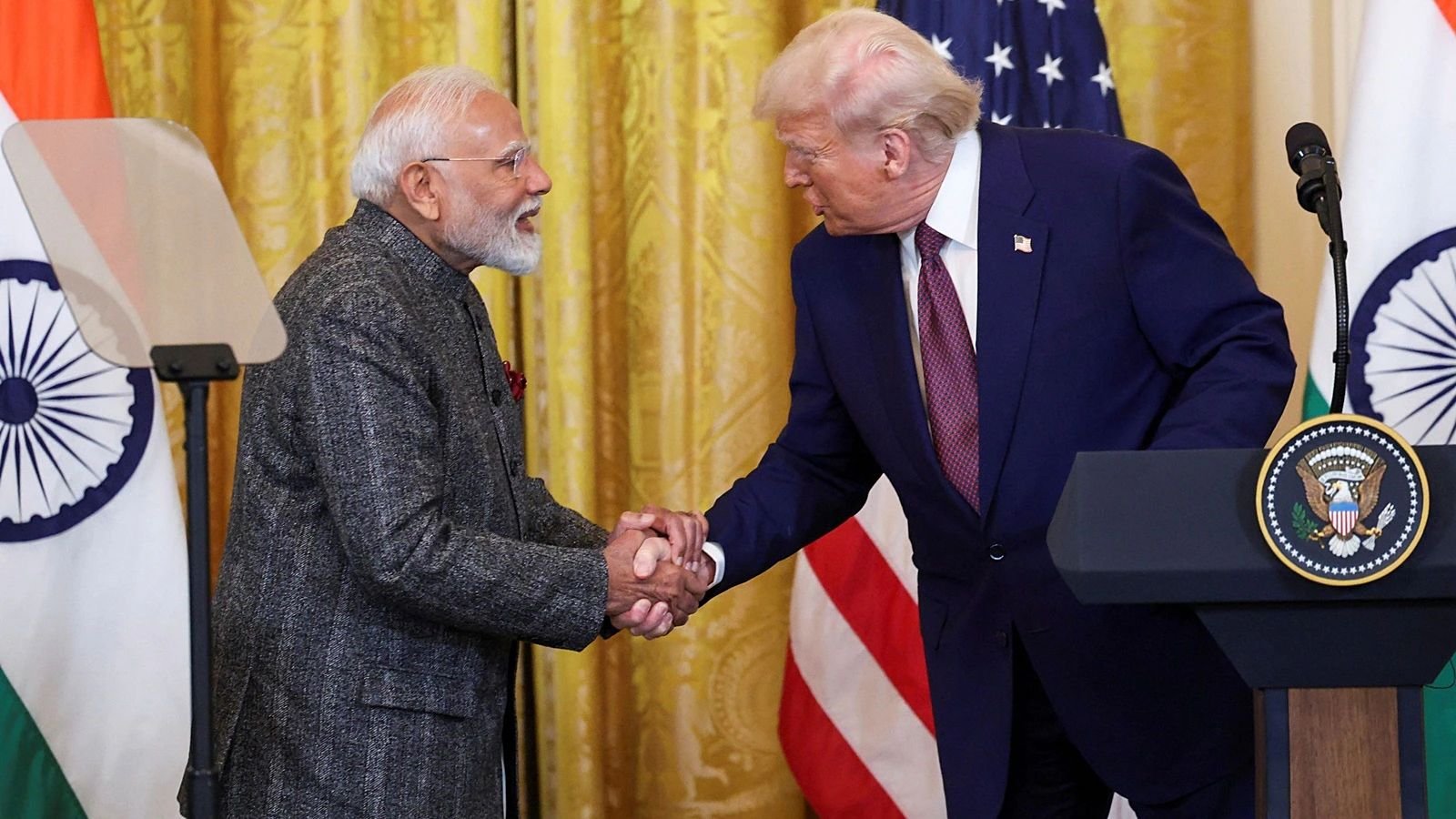
The future of the H-1B Visa programme has once again become a major topic of discussion after the Trump administration intensified its immigration reforms. For millions of Indian Professionals, students, technology workers and multinational companies, even minor adjustments to America’s skilled worker visa system can have far-reaching consequences. Amid growing speculation, US Ambassador to India Sergio Gor has clarified that the latest H-1B visa changes are not aimed specifically at Indians but form part of a broader overhaul affecting every category of US Immigration.
The statement arrives at an important moment. While Washington tightens immigration enforcement and reviews legal migration pathways, India and the United States are simultaneously negotiating a major bilateral Trade Agreement that could reshape economic cooperation for years to come. Together, these developments highlight the complex balance between protecting domestic employment, attracting global talent and strengthening one of the world’s fastest-growing strategic partnerships.
Understanding the H-1B Visa Programme
The H-1B visa remains one of the most important employment-based visas in the United States. It allows American employers to hire foreign professionals in occupations requiring specialized knowledge, particularly in technology, engineering, finance, healthcare, biotechnology, mathematics and scientific research.
Indian professionals have historically dominated the programme because of India’s large pool of highly skilled STEM graduates and the strong presence of Indian IT companies serving American businesses.
| Feature | H-1B Visa |
|---|---|
| Purpose | Temporary employment for highly skilled foreign workers |
| Primary Industries | Technology, Healthcare, Engineering, Finance, Research |
| Major Beneficiaries | Indian software engineers, data scientists, researchers and consultants |
| Typical Employers | US technology firms, consulting companies, universities and healthcare organizations |
Because Indian nationals receive a significant share of approved H-1B visas every year, any discussion surrounding the programme naturally generates concern across India’s technology sector.
What Sergio Gor Actually Said
US Ambassador Sergio Gor sought to calm concerns by emphasizing that the Trump administration’s immigration review is comprehensive rather than country-specific. According to Gor, the reforms are designed to evaluate America’s overall immigration system, including temporary work visas, student visas and other legal immigration channels.
His message was straightforward: the administration’s actions should not be interpreted as targeting India or Indian workers. Instead, they reflect a broader policy direction focused on strengthening immigration enforcement, improving border security and reviewing legal immigration procedures.
This clarification is particularly significant because uncertainty often affects visa applicants long before any formal policy changes take effect. Employers delay hiring decisions, applicants postpone career plans and students reconsider educational investments whenever immigration rules appear uncertain.
Why Indians Follow Every H-1B Policy Change Closely
No country has a greater stake in the H-1B programme than India. Thousands of Indian engineering graduates, software developers, Artificial Intelligence specialists, cybersecurity experts and data scientists rely on the programme to pursue careers in the United States.
Major Indian IT services companies also depend on the visa system to deploy skilled professionals for projects involving cloud computing, enterprise software, digital transformation and consulting services.
For many professionals, the H-1B visa serves as more than temporary employment. It often becomes the first step toward long-term professional growth, international experience and, for some, permanent residency through employment-based immigration pathways.
Why the Trump Administration Is Reviewing Immigration Policies
The immigration reforms reflect broader policy priorities rather than a single visa category. Since returning to office, President Donald Trump has emphasized stricter immigration enforcement, improved border management and closer scrutiny of both legal and illegal immigration processes.
The administration argues that immigration policies should better align with American economic interests, workforce development and national security objectives.
Supporters believe tighter oversight can reduce misuse of visa programmes and encourage employers to prioritize domestic hiring where possible. Critics, however, argue that excessive restrictions could create talent shortages, particularly in industries already facing shortages of highly skilled workers.
The Technology Industry Has the Most at Stake
The technology sector remains one of the largest users of H-1B visas. Companies developing artificial intelligence, cloud computing, semiconductor technologies, cybersecurity systems and advanced software often compete globally for highly specialized talent.
Many American companies maintain that access to international expertise helps sustain innovation, accelerate research and strengthen competitiveness against rapidly growing technology ecosystems in Asia and Europe.
As artificial intelligence transforms nearly every industry, demand for experienced software engineers, machine learning researchers and data scientists continues to rise. Immigration policies therefore influence not only labor markets but also technological leadership.
What This Means for Indian Students
Indian students constitute one of the largest international student communities in the United States. Many pursue degrees in science, engineering, technology and business with the expectation of gaining work experience after graduation.
Although H-1B reforms primarily affect employment visas, uncertainty surrounding immigration policies often influences educational decisions as well. Universities, employers and students closely monitor policy developments because career planning increasingly depends on predictable immigration pathways.
Students considering American education should continue monitoring official announcements rather than relying on speculation circulating on Social Media.
India-US Trade Talks Continue to Make Progress
While immigration dominates headlines, another major development could have even greater long-term economic significance. India and the United States are moving closer to completing the first phase of a Bilateral Trade Agreement.
According to Ambassador Gor, negotiations have progressed beyond most major policy disagreements and are now focused primarily on legal drafting and final language.
The agreement aims to expand bilateral trade, improve market access, reduce tariff barriers and create a stronger framework for future economic cooperation.
Timeline of Recent India-US Trade Negotiations
| Period | Major Development |
|---|---|
| February 2025 | India and the United States agree to pursue the first phase of a Bilateral Trade Agreement. |
| April 2025 | The US announces reciprocal tariff measures affecting several trading partners. |
| Mid-2025 | Negotiations intensify over tariffs, market access and regulatory issues. |
| 2026 | Most policy discussions conclude as negotiators shift toward final legal drafting. |
Why the Trade Agreement Matters Beyond Tariffs
The proposed agreement extends beyond customs duties. Businesses on both sides expect improvements in regulatory cooperation, investment opportunities, Supply Chain resilience and digital trade.
India has emerged as one of America’s most important economic and strategic partners in the Indo-Pacific region. Strengthening commercial ties complements broader cooperation in defense, semiconductor manufacturing, clean energy, pharmaceuticals and emerging technologies.
For Indian exporters, greater certainty in trade rules could improve investment planning and expand access to one of the world’s largest consumer markets.
The Bigger Picture: Immigration and Economic Cooperation Can Coexist
An important insight often overlooked is that immigration reform and stronger bilateral relations are not mutually exclusive.
Governments routinely adjust immigration policies while simultaneously expanding trade, defense cooperation and investment partnerships. The United States continues to compete globally for skilled talent even as it reviews visa programmes.
Similarly, India continues strengthening domestic innovation while encouraging international collaboration in advanced manufacturing, digital infrastructure and research partnerships.
How Businesses Are Likely to Respond
Multinational companies typically adapt quickly to Immigration Policy changes. Many diversify hiring strategies by expanding development centers in multiple countries, increasing remote work arrangements and investing in local talent development.
Indian technology firms have increasingly established larger workforces within the United States while simultaneously expanding engineering operations in India. This hybrid model reduces dependence on any single immigration pathway while maintaining global delivery capabilities.
Such flexibility is expected to continue regardless of future adjustments to visa regulations.
Could Artificial Intelligence Change the H-1B Debate?
One emerging trend rarely discussed alongside immigration policy is the growing influence of artificial intelligence on workforce demand.
Although AI automates certain routine tasks, it has dramatically increased demand for specialists capable of developing, deploying and managing advanced AI systems. Cybersecurity experts, cloud architects, AI engineers and semiconductor specialists remain in short supply globally.
This evolving labor market suggests that highly skilled international professionals will likely remain valuable to technology-driven economies despite periodic immigration reforms.
Expert Perspective: Stability Matters More Than Individual Policy Changes
For businesses and professionals alike, predictable immigration policies are often more valuable than constantly changing rules. Employers prefer certainty when making long-term hiring decisions, while skilled workers need confidence to plan careers, education and family life.
Ambassador Gor’s statement therefore serves an important purpose by reducing speculation that India has become a specific target of immigration policy.
Whether future reforms ultimately increase, decrease or restructure visa processing, transparency and consistency will remain essential for maintaining confidence among employers and international talent.
Donald Trump’s Proposed Visit Reflects Broader Strategic Ties
Beyond immigration and trade, Ambassador Gor also indicated that President Donald Trump remains interested in visiting India following an invitation from Prime Minister Narendra Modi.
Although no official schedule has been finalized, the possibility underscores the continuing importance both governments place on maintaining high-level diplomatic engagement.
The India-US relationship today extends well beyond traditional Diplomacy, encompassing defense cooperation, energy security, semiconductor manufacturing, critical technologies, education, healthcare and Indo-Pacific security.
Future Outlook: What Comes Next?
Several important developments will shape the coming months. The Trump administration is expected to continue reviewing immigration procedures, while trade negotiators work toward completing the first phase of the Bilateral Trade Agreement.
Indian professionals should pay close attention to official policy announcements rather than speculation, as immigration reforms often evolve gradually through administrative changes before becoming fully operational.
At the same time, growing economic cooperation between India and the United States suggests that both governments recognize the strategic value of maintaining strong commercial, technological and educational partnerships despite policy adjustments in specific areas.
Conclusion
Sergio Gor’s reassurance that H-1B visa reforms are not directed specifically at Indians provides welcome clarity during a period of considerable uncertainty. While the Trump administration continues its broader immigration overhaul, the parallel progress in India-US trade negotiations demonstrates that the overall bilateral relationship remains on a positive trajectory.
For Indian professionals, students and businesses, the key takeaway is that immigration policy should be viewed within a much larger framework of evolving economic, technological and strategic cooperation. The coming months will determine the precise shape of visa reforms, but the long-term demand for highly skilled talent, deeper trade integration and expanding India-US collaboration suggests that opportunities for qualified professionals are likely to remain significant even as immigration rules evolve.
For breaking news and live news updates, like us on Facebook or follow us on Twitter and Instagram. Read more on Latest World on thefoxdaily.com.





COMMENTS 0