- Why Varanasi Matters Politically
- The Centrepiece: Jan Aakrosh Mahila Sammelan
- Timing Is Everything: Link to West Bengal Elections
- Development Push: Rs 6,300 Crore Projects
- Religious Symbolism: A Consistent Political Tool
- Comparison: Then vs Now Political Strategy
- Opposition प्रतिक्रिया: Messaging vs Implementation Debate
- Unique Insight: The “First-Mover Advantage” Strategy
- Real-World Impact: Why This Matters for Voters
- Prediction: A Preview of 2027 Uttar Pradesh Elections?
- Conclusion: राजनीति, विकास और संदेश का संगम
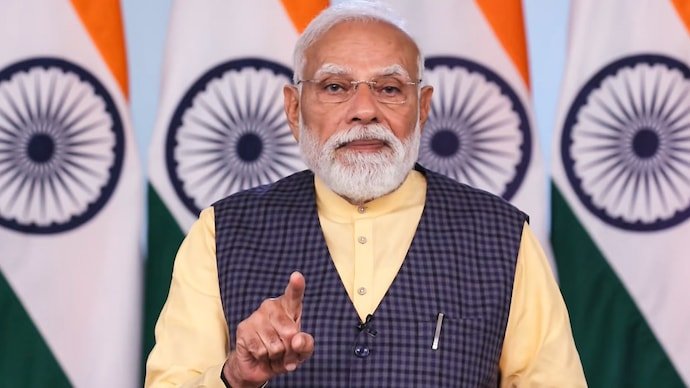
The Modi Varanasi visit 2026 is more than a routine tour of a parliamentary constituency it is a carefully calibrated political event with clear messaging aimed at multiple audiences. Prime Minister Narendra Modi’s two-day visit to Varanasi, his lok Sabha seat, blends Governance, symbolism, and electoral strategy at a time when political stakes are rising across states.
With a focus on women voters, large-scale development announcements, and religious outreach, the visit reflects a broader attempt by the Bharatiya Janata Party (BJP) to shape narratives ahead of upcoming elections, particularly in Uttar Pradesh and West Bengal.
Why Varanasi Matters Politically
Varanasi is not just any constituency it is politically and symbolically central to Narendra Modi’s leadership. Since 2014, the city has served as a stage where governance achievements are showcased and national messaging is crafted.
Every visit to Varanasi typically follows a pattern:
- Announcement of development projects
- Engagement with local stakeholders
- Religious or cultural symbolism
- A major public or political gathering
The 2026 visit fits this template but adds a sharper political edge due to its timing and focus.
The Centrepiece: Jan Aakrosh Mahila Sammelan
The highlight of the visit is the Jan Aakrosh Mahila Sammelan, expected to draw around 50,000 women. The scale and structure of the event are significant for several reasons:
- Entirely women-managed event
- Security handled by women police personnel
- Focused on safety, dignity, and self-reliance
This is not just a social outreach programme it is a strategic political signal. Women voters have increasingly become a निर्णायक (decisive) voting bloc in Indian elections, and parties are investing heavily in targeted messaging.
Why Women-Centric Messaging Now?
The emphasis on women comes at a critical juncture:
- The proposed 33% reservation for women in legislatures has faced hurdles
- Political narratives around women’s empowerment are intensifying
- States like West Bengal have strong women voter participation
By organizing a massive women-focused event, the BJP appears to be reinforcing its commitment to gender issues while also countering criticism around policy delays.
Timing Is Everything: Link to West Bengal Elections
One of the most crucial aspects of the Modi Varanasi visit 2026 is its timing. The visit coincides with an important phase of Assembly Elections in West Bengal.
Even though the event is in Uttar Pradesh, its impact is designed to travel beyond state boundaries:
- Wide media coverage ensures national visibility
- Messaging aimed at women voters resonates across states
- Reinforces BJP’s narrative in a key electoral battleground
This reflects a modern political strategy where location is local, but messaging is national.
Development Push: Rs 6,300 Crore Projects
Alongside political messaging, the visit includes a significant governance component. The Prime Minister is set to launch and inaugurate projects worth over Rs 6,300 crore.
Key Areas of Focus
- Infrastructure: Road expansion and railway overbridges
- Water supply: Rural schemes under Jal Jeevan Mission
- Healthcare: New hospital and upgrades to trauma facilities
- Urban development: Sewage treatment and city infrastructure
- Tourism: Ghat redevelopment and religious site improvements
These projects serve a dual purpose:
- Address real development needs
- Strengthen the perception of delivery-driven governance
Religious Symbolism: A Consistent Political Tool
The visit also includes a stop at the Kashi Vishwanath Temple, reinforcing the cultural and spiritual dimension of the Prime Minister’s outreach.
This aspect is significant because:
- It connects with core voter sentiment
- Reinforces cultural identity narratives
- Complements development-focused messaging
In Indian Politics, the combination of development + identity has proven to be a powerful electoral formula.
Comparison: Then vs Now Political Strategy
| Earlier Approach | Current Strategy |
|---|---|
| Focus on broad development | Targeted messaging (women, youth) |
| Localized campaigns | National amplification via media |
| Policy announcements | Policy + narrative building |
| Reactive politics | Proactive agenda-setting |
This evolution shows how political campaigns are becoming more data-driven and audience-specific.
Opposition प्रतिक्रिया: Messaging vs Implementation Debate
The Opposition, including parties like the Samajwadi Party and congress, has taken a critical view of the visit.
Their key arguments include:
- Focus is more on optics than outcomes
- Need for clarity on reservation policies
- Demand for broader issues like caste census
This sets up a classic political contest:
- BJP narrative: Empowerment and development
- Opposition narrative: Implementation gaps and policy clarity
Unique Insight: The “First-Mover Advantage” Strategy
One of the most interesting aspects of this visit is what can be called the “first-mover advantage” in electoral messaging.
By launching a large-scale women-focused campaign early, the BJP is:
- Setting the agenda before opponents
- Defining the narrative around key issues
- Forcing rivals to respond rather than initiate
In political strategy, controlling the narrative early often translates into long-term electoral benefits.
Real-World Impact: Why This Matters for Voters
For citizens, the visit carries both symbolic and practical implications.
Positive Outcomes
- Improved infrastructure and services
- Increased focus on women’s issues
- Boost to local economy and tourism
Concerns Raised
- Speed and effectiveness of implementation
- Long-term policy clarity
- Balance between messaging and delivery
Ultimately, voters will evaluate not just announcements, but outcomes.
Prediction: A Preview of 2027 Uttar Pradesh Elections?
This visit may well be an early indicator of the BJP’s strategy for the upcoming Uttar Pradesh assembly elections.
Key trends to watch:
- Increased focus on women voters
- Combination of welfare + infrastructure
- Strong emphasis on narrative building
If this approach resonates, it could shape campaign strategies across states.
Conclusion: राजनीति, विकास और संदेश का संगम
The Modi Varanasi visit 2026 is a textbook example of how modern political events operate on multiple levels. It is simultaneously:
- A governance exercise
- A political campaign
- A narrative-building platform
By combining development projects, women-centric outreach, and cultural symbolism, the visit sends a clear message: the BJP is not waiting for elections to begin it is already shaping the battlefield.
As the political calendar intensifies, such events will likely become more frequent, more targeted, and more strategic making them key moments to watch in India’s evolving electoral landscape.
For breaking news and live news updates, like us on Facebook or follow us on Twitter and Instagram. Read more on Latest India on thefoxdaily.com.





COMMENTS 0