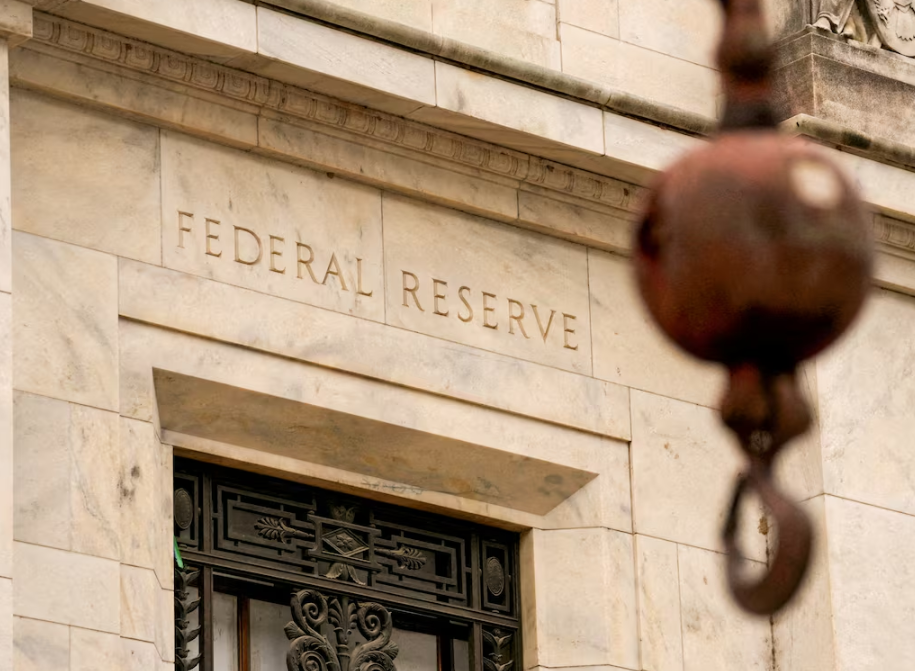
US President Donald Trump’s repeated calls for the Federal Reserve to cut interest rates to 1% are raising concerns among economists and financial analysts, who warn that such an aggressive reduction could destabilize Financial Markets, weaken the dollar and make borrowing more expensive for the US government.
According to Reuters reporting published on September 23, 2026, Trump continues to demand significantly lower borrowing costs even as the Federal Reserve, led by Chair Kevin Warsh, has taken a more restrictive approach to controlling Inflation.
The disagreement highlights a major challenge for US economic policy: balancing demands for affordable borrowing with the need to maintain price stability and confidence in financial markets.
Why Trump Wants US Interest Rates Cut to 1%
Trump has repeatedly argued that the United States deserves substantially lower interest rates because it is the world’s largest economy and, in his view, has the safest credit.
As a longtime real estate investor, Trump has extensive experience with businesses that rely on borrowing. Lower interest rates can reduce financing costs for property developers, companies and households with loans.
However, the Federal Reserve considers a broader range of economic conditions when setting its policy rate, including inflation, employment and financial stability.
Trump’s preferred rate of 1% would represent a substantial reduction from the Federal Reserve’s reported current target range of 3.75% to 4%.
Analysts cited by Reuters argue that cutting rates so sharply could create consequences that extend beyond cheaper loans, particularly if investors interpret the move as a threat to the central bank’s commitment to controlling inflation.
What a 1% Federal Reserve Interest Rate Would Mean
The federal funds rate influences short-term borrowing costs across the US financial system. It affects the rates banks charge one another for overnight lending and influences other interest rates throughout the economy.
A reduction in the policy rate can make some forms of borrowing cheaper, potentially supporting consumer spending, business investment and housing activity.
However, the Federal Reserve’s policy rate is not the same as mortgage rates, Treasury yields or the interest rates businesses pay on every loan. Those borrowing costs also depend on inflation expectations, credit risk, financial market conditions and the duration of the loan.
This distinction is central to the debate surrounding Trump’s proposal. Even if the Fed reduced its policy rate to 1%, other borrowing costs would not necessarily decline by the same amount.
Why Analysts Warn That 1% Rates Could Backfire
Financial analysts cited by Reuters warn that cutting the Federal Reserve’s policy rate to 1% could create substantial disruption in global financial markets.
J. Benson Durham, founder of investment research firm DASM, described a three-percentage-point reduction as potentially cataclysmic.
He warned that Treasury rates could rise as investors priced in higher inflation expectations, while international investors could move capital toward countries offering more attractive returns.
Durham also warned that the dollar could fall sharply under such circumstances.
The concern is that a policy intended to reduce borrowing costs could undermine confidence in US financial assets, potentially pushing up longer-term interest rates instead of lowering them.
Could a 1% Interest Rate Cause the US Dollar to Fall?
The US dollar‘s value is influenced by several factors, including interest-rate differences between countries, inflation expectations, economic growth and investor confidence.
If investors believed that a sharp reduction in US interest rates would lead to persistently higher inflation, they could demand greater compensation for holding dollar-denominated assets.
International investors may also compare US returns with those available in other economies. Durham warned that countries such as Germany could attract capital by offering lenders only slightly higher returns than US markets.
Such a shift could put downward pressure on the dollar, although exchange rates depend on multiple economic and financial developments.
A weaker dollar can also make imported goods more expensive for US consumers and businesses, potentially adding to inflationary pressure.
Why Treasury Yields Could Rise Even if the Fed Cuts Rates
One of the main concerns raised by analysts is that a sharp reduction in the Federal Reserve’s policy rate could push Treasury borrowing costs higher.
Treasury yields reflect investors’ expectations about future inflation, interest rates, economic conditions and the risks associated with holding government debt.
If investors expected a 1% policy rate to weaken the Fed’s inflation-fighting credibility, they might demand higher yields to compensate for the possibility of declining purchasing power.
This could create a situation in which the Federal Reserve lowers its short-term policy rate while longer-term government borrowing costs rise.
For the US government, higher Treasury yields can increase the cost of issuing new debt and refinancing maturing obligations.
The outcome would depend on how investors interpreted the policy change, rather than on the policy rate alone.
Why Trump’s Interest Rate Demand Is Politically Significant
The debate over interest rates is unfolding ahead of the US midterm elections in November 2026, as affordability remains a major issue for American households.
Reuters reported that mortgage rates were approaching 7%, while prices for everyday necessities such as ground beef and gasoline were rising.
Some analysts cited by Reuters said the Federal Reserve remained a useful target for Trump as he faced public concerns about living costs.
However, the report also noted that some people close to the president viewed his 1% interest-rate demands less as a practical policy prescription and more as a way to deflect attention from economic pressures.
These interpretations were attributed to people close to the administration and analysts, rather than established as the president’s motive.
Inflation Remains a Major Challenge for the Federal Reserve
Inflation is central to the disagreement between Trump and the Federal Reserve.
According to the Reuters report, inflation had increased since early in Trump’s term amid the combined effects of tariffs, energy costs associated with the US war with Iran and other factors.
The Federal Reserve’s preferred inflation measure stood at 3.7% in July, according to the report.
The central bank did not expect inflation to return to its 2% target before 2029, suggesting that elevated price pressures could persist for much of Trump’s term.
When inflation remains above target, the Federal Reserve may keep interest rates relatively high to limit demand and prevent price increases from becoming entrenched.
Reducing rates too quickly could support spending, but it could also make it more difficult to bring inflation under control if demand increases faster than the economy’s ability to supply goods and services.
How Tariffs and Energy Costs Affect the Interest Rate Debate
Tariffs and energy prices can influence inflation through different channels.
Tariffs can increase the cost of imported goods and materials, depending on how much of the additional expense is passed on to businesses and consumers.
Energy prices can affect household spending directly through fuel and utility bills, while also influencing transportation and production costs for businesses.
Reuters identified tariffs and energy costs associated with the US war with Iran among the factors contributing to higher inflation during Trump’s term.
These pressures complicate the Federal Reserve’s decisions because monetary policy cannot directly resolve supply disruptions or remove tariffs.
Instead, interest-rate decisions influence overall financial conditions and demand, while the effects of tariffs and energy costs depend on developments beyond the central bank’s direct control.
Kevin Warsh Raises Interest Rates Despite Trump’s Demands
Federal Reserve Chair Kevin Warsh has taken a different approach from Trump’s repeated calls for lower rates.
According to Reuters, the Federal Reserve raised interest rates the previous week, marking the first increase in three years. The decision was unanimous.
Trump criticized the move and repeated his demand for a 1% policy rate.
Warsh, who had long been regarded as an inflation hawk, had also made the case for higher interest rates in the weeks before the decision, surprising some analysts who had questioned how independent he would be from the president.
Apollo Global Chief Economist Torsten Slok said after the September 16 decision that Warsh had repeatedly emphasized price stability and that the rate increase demonstrated his commitment to that objective.
Trump’s Changing Relationship With the Federal Reserve Chair
Trump’s public criticism of the Federal Reserve has focused more heavily on policymakers other than Warsh, according to Reuters.
During Jerome Powell’s time as chair, Trump repeatedly criticized him for not cutting interest rates as requested.
Trump used personal insults against Powell and publicly expressed frustration with the central bank’s decisions.
By contrast, Trump described Warsh as being constrained by what he called a political Federal Reserve board after the latest rate increase.
Trump also said he had spoken with Warsh before the decision and had told him to go along with the majority if necessary.
Warsh has said he will not discuss his conversations with Trump.
The difference in Trump’s public tone toward Warsh is notable, but the supplied reporting does not establish that it has changed the Federal Reserve’s approach to monetary policy.
Some Trump Allies Privately Supported Warsh’s Rate Decision
Despite Trump’s public criticism, some administration allies reportedly expressed support for Warsh after the Federal Reserve raised rates.
A person involved in the exchanges told Reuters that some allies had privately praised the decision, requesting anonymity to discuss the conversations.
A White House ally who liaises with Warsh also told Reuters that the president’s demand for 1% rates was unrealistic given how global bond markets operate.
The person warned that disrupting the bond market could benefit bond investors while creating wider economic costs.
These reported private reactions suggest that views within Trump’s broader circle are not necessarily identical to his public demands.
The White House did not respond to Reuters’ requests for comment, and the Federal Reserve did not comment on Trump’s remarks.
Trump’s Dispute With Other Federal Reserve Officials
Trump’s pressure on the Federal Reserve extends beyond the interest-rate debate.
Reuters reported that Trump was seeking to remove Governor Lisa Cook, who was appointed by former President Joe Biden.
Trump was also awaiting the results of an inspector general’s investigation into former Chair Jerome Powell’s oversight of a Federal Reserve construction project.
Powell remains a Federal Reserve governor, which has limited Trump’s opportunity to appoint a new member to the central bank, according to the report.
These developments add to the broader dispute over the Federal Reserve’s leadership and independence.
Why Federal Reserve Independence Matters to Financial Markets
The Federal Reserve makes monetary policy decisions with the goal of supporting economic conditions while maintaining price stability.
Investor confidence in the central bank’s ability to make decisions based on economic conditions is important because expectations about future inflation influence bond yields, currency values and borrowing costs.
If investors believed interest-rate decisions were being driven primarily by short-term political considerations, they could reassess the risks associated with holding US financial assets.
This is one reason analysts are concerned about demands for an unusually low policy rate while inflation remains above the Federal Reserve’s target.
However, the effects of political pressure on financial markets are not automatic. They depend on the actual policy decisions made, how the central bank communicates its objectives and how investors interpret those actions.
Cost-of-Living Concerns Put Pressure on the Trump Administration
Affordability has become a central issue in the political debate ahead of the November midterm elections.
Reuters reported that higher prices for essential goods and elevated borrowing costs were creating pressure for households, rural economies and small businesses.
Mortgage rates approaching 7% can affect the cost of financing a home, while higher fuel and food prices can reduce the amount of money households have available for other expenses.
The report also cited a Reuters/Ipsos poll published on Monday showing that 17% of respondents approved of Trump’s handling of the cost of living.
The poll identified living costs as the leading issue respondents said would influence their voting decisions in six weeks.
These figures reflect the views of those surveyed at the time and should not be interpreted as a prediction of election results.
What a 1% Interest Rate Could Mean for American Households
A lower Federal Reserve policy rate could reduce some borrowing costs, but the effect on households would vary.
Borrowers with certain variable-rate loans may benefit if the relevant interest rates decline. Lower short-term rates can also influence financing conditions for businesses and consumers.
However, mortgage rates and other longer-term borrowing costs are also influenced by bond yields and inflation expectations.
If a sharp policy-rate cut caused investors to demand higher long-term yields, some household borrowing costs could remain elevated or increase.
At the same time, a weaker dollar could make imported products more expensive, potentially affecting household budgets.
The overall effect would therefore depend on how financial markets responded and whether lower short-term rates translated into lower borrowing costs without creating additional inflationary pressure.
Key Factors to Watch in the US Interest Rate Debate
- Federal Reserve decisions: Future policy changes will indicate how officials assess inflation and economic conditions.
- Inflation data: Changes in consumer prices will influence expectations about whether inflation is moving toward the Fed’s target.
- Treasury yields: Longer-term borrowing costs will help show how investors are responding to monetary policy and inflation expectations.
- US dollar movements: Currency changes could reflect shifts in international demand for dollar-denominated assets.
- Mortgage rates: Housing finance costs will remain important for households concerned about affordability.
- Tariffs and energy prices: These factors could continue to influence inflation and the Federal Reserve’s policy decisions.
- Federal Reserve independence: Relations between the administration and central bank leadership will remain relevant to investor confidence.
US Interest Rate Outlook: A Conflict Between Cheap Borrowing and Price Stability
Trump’s demand for 1% interest rates highlights the tension between lowering borrowing costs and maintaining confidence in the US Economy‘s price stability.
Although lower policy rates can support economic activity, analysts cited by Reuters warn that an aggressive reduction could lead to higher inflation expectations, a weaker dollar and increased Treasury borrowing costs.
The Federal Reserve’s recent rate increase under Kevin Warsh underscores the difference between the president’s public demands and the central bank’s reported approach to inflation.
Meanwhile, concerns about mortgage costs, food prices and energy expenses are keeping affordability at the center of the political debate ahead of the November midterm elections.
The direction of US interest rates will depend on the Federal Reserve’s assessment of inflation and economic conditions, as well as how financial markets respond to its decisions.
For households, businesses and investors, the key issue is not simply whether the policy rate falls, but whether borrowing costs become more affordable without creating additional inflationary pressures or financial instability.
For breaking news and live news updates, like us on Facebook or follow us on Twitter and Instagram. Read more on Latest Business on thefoxdaily.com.





COMMENTS 0