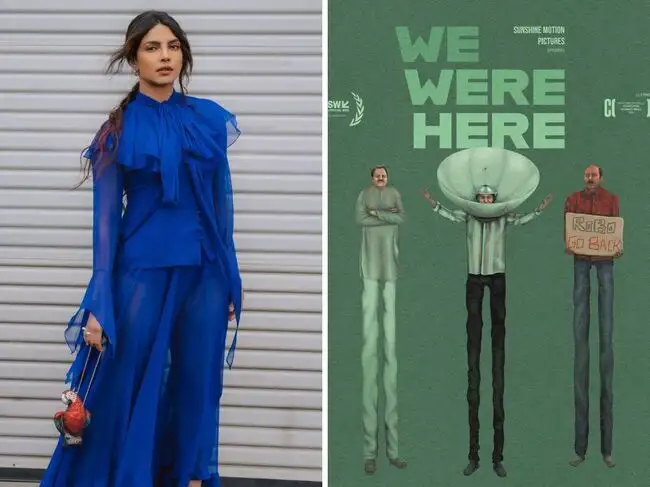
Actor and producer Priyanka Chopra has backed We Were Here, an Indian short film that explores the growing concerns surrounding Artificial Intelligence (AI) and its potential impact on human employment. Directed by Pranav Bhasin, the film presents a story about retirees who come together to protest against AI’s influence on job security, raising questions about technology, livelihoods and the future of work.
The short film has attracted international attention, winning more than 20 awards at film festivals, including recognition at SXSW and Palm Springs International ShortFest. It has also become Oscar-qualified, placing it among the films eligible for consideration under the relevant Academy Awards short-film qualification route. The film is expected to premiere on The New Yorker’s official YouTube channels.
With AI increasingly influencing industries and changing how businesses operate, We Were Here brings the debate about automation and employment into a human-centred narrative. Rather than focusing only on technological advancements, the film explores the concerns of people who fear being left behind as machines and automated systems take on more responsibilities.
All About Priyanka Chopra-Produced Indian Short Film We Were Here
We Were Here is directed by Pranav Bhasin and produced with the backing of Priyanka Chopra. The film centres on a group of retirees protesting against the growing influence of artificial intelligence on employment and job security.
Its central theme reflects a wider debate about how AI could reshape the global workforce. From automating repetitive tasks to changing the skills required in professional industries, artificial intelligence is creating new opportunities while raising concerns about the future of existing jobs.
The film approaches this issue through the experiences of older individuals who come together to make their concerns heard. By placing retirees at the centre of the story, it explores how technological changes can affect people across different stages of their working lives, including those who have already spent decades contributing to the workforce.
The subject also raises broader questions about the relationship between technological progress and human dignity. As companies increasingly explore AI-powered tools, concerns about job displacement, economic security and the value of human labour have become part of public discussion.
Priyanka Chopra’s involvement has brought additional attention to the project, which has gained recognition at several international film festivals. Its Oscar qualification and upcoming digital premiere are expected to introduce the short film to a wider audience.
What Is the Story of We Were Here?
The short film portrays retirees protesting against AI’s impact on job security. Its premise connects the anxieties surrounding automation with the personal experiences of people who fear that technological developments could reduce opportunities for human workers.
Artificial intelligence is increasingly being used in areas such as customer service, content production, data analysis, manufacturing and administrative work. While these systems can improve efficiency and help organisations perform tasks faster, their adoption has also generated questions about which roles could change or become less dependent on human workers.
We Were Here uses its fictional protest setting to explore these concerns from a human perspective. The retirees’ actions suggest that the consequences of technological change extend beyond businesses and software developers to the people whose livelihoods may be affected.
The film’s subject is particularly relevant as governments, employers and workers continue to debate how societies should respond to the expansion of AI. Issues such as reskilling, employment protection and the distribution of economic benefits from automation remain central to that discussion.
Rather than presenting a technical explanation of artificial intelligence, the film uses a character-driven premise to examine the social consequences of a rapidly changing technological landscape.
We Were Here Cast Details
The available information about We Were Here identifies Pranav Bhasin as the director and Priyanka Chopra as its producer. However, a complete cast list and detailed character information have not been provided in the available announcement.
The film’s central characters are retirees who take part in a protest against AI’s influence on employment. Their experiences form the basis of the story’s exploration of job security and technological change.
Further details about the actors, their roles and the creative team are awaited. Until an official cast announcement is available, additional names or character descriptions should not be assumed.
We Were Here Wins Over 20 Awards at Film Festivals
One of the major milestones for We Were Here is its recognition across the international film festival circuit. The short film has won more than 20 awards at various festivals, demonstrating its reach beyond the Indian film industry.
Its festival recognition includes awards at SXSW and Palm Springs International ShortFest, two established platforms for independent and short-form filmmaking. Recognition at these events has helped bring attention to the film’s subject and creative approach.
The film has also achieved Oscar qualification. This means it has met a qualifying route for eligibility in the relevant Academy Awards short-film category. However, Oscar qualification should not be confused with an official Oscar nomination or a guarantee of selection for the final awards.
The distinction is important because qualifying films may still need to go through the Academy’s selection process before the final nominees are announced.
When and Where Will We Were Here Premiere?
We Were Here is expected to premiere on The New Yorker’s official YouTube channels, giving viewers an opportunity to watch the Indian short film online.
The planned digital release could help the project reach audiences beyond the film festival circuit, particularly viewers interested in artificial intelligence, employment and the social consequences of emerging technologies.
A confirmed premiere date and additional streaming details have not been provided in the available information. Viewers will need to follow official announcements from the film’s team and The New Yorker for updates about its release.
Why We Were Here Addresses an Important Debate About AI
The film arrives at a time when artificial intelligence is becoming an increasingly significant part of economic and professional life. Businesses are adopting AI systems to automate tasks, improve productivity and support decision-making, while workers and policymakers are examining how these changes could affect employment.
One of the major concerns surrounding AI is the possibility that automation could reduce demand for certain types of work. The impact is unlikely to be identical across every industry or occupation. Some jobs may undergo substantial changes, while others could involve new responsibilities or require workers to develop additional technical skills.
There is also an ongoing discussion about how the benefits of AI-driven productivity should be shared. Training opportunities, employment policies and support for workers affected by technological changes are among the issues attracting attention.
By focusing on retirees protesting against the technology’s impact on jobs, We Were Here brings these wider concerns into a dramatic setting. Its central idea invites audiences to consider who benefits from technological progress and what happens to people who feel their place in the workforce is becoming uncertain.
With Priyanka Chopra backing the project, more than 20 festival awards and Oscar qualification, the short film has already attracted international recognition. Its expected premiere on The New Yorker’s YouTube channels will provide another opportunity for audiences to engage with its central question: as artificial intelligence changes the world of work, how should society protect the people affected by that transformation?
For breaking news and live news updates, like us on Facebook or follow us on Twitter and Instagram. Read more on Latest Careers on thefoxdaily.com.




COMMENTS 0