- Why the NEET UG 2026 Cancellation Became a Major Crisis
- The Financial Burden Is Becoming Severe
- Students Are Now Facing Housing Problems Too
- The Mental Health Impact Is Growing
- Parents Are Carrying Heavy Economic Pressure
- Coaching Institutes Are Trying to Contain the Damage
- The Bigger Issue: Trust in India’s Examination System
- Why Exam Leaks Hurt More Than Just Rankings
- India’s Competitive Exam Culture Is Under Strain
- What Students Want From Authorities
- Conclusion: NEET Aspirants Are Fighting More Than an Exam
For millions of indian students, NEET is not just an entrance exam it is often seen as a life-defining test that determines years of preparation, family sacrifice and future career opportunities.
That is why the cancellation of NEET UG 2026 has triggered widespread frustration, anxiety and exhaustion across the country.
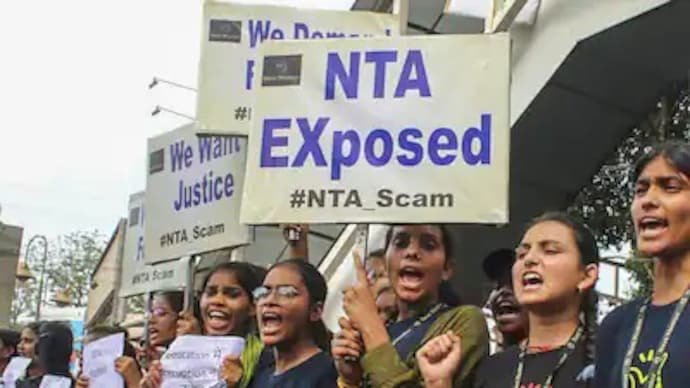
After allegations of a paper leak emerged following the May 3 examination, the National Testing Agency (NTA) announced a re-examination, forcing lakhs of students to restart a process many believed had finally ended.
But the biggest burden is no longer just academic.
Students and families now say they are struggling with:
- Fresh accommodation expenses
- Additional coaching costs
- Travel expenses
- Mental stress
- Disrupted routines
- Growing mistrust in the examination system
The Controversy has once again exposed a larger structural problem in India’s hyper-competitive entrance exam ecosystem — where even small administrative failures can create massive emotional and financial consequences for ordinary families.
Why the NEET UG 2026 Cancellation Became a Major Crisis
NEET is India’s single largest medical entrance examination and one of the world’s biggest competitive exams.
Every year, lakhs of students spend years preparing for it through:
- Coaching institutes
- Residential hostels
- Online programmes
- Private tuition
- Self-study schedules
The preparation cycle is intense, expensive and emotionally draining.
When the exam was held on May 3, many students believed the most difficult phase of their journey was finally over.
Some returned home immediately after the examination, vacated hostels, ended rentals and mentally shifted out of “exam mode.”
The cancellation announcement completely disrupted those plans.
Now, many students are being forced to rebuild their preparation Environment all over again.
The Financial Burden Is Becoming Severe
One of the biggest hidden consequences of the NEET re-exam is the sudden financial pressure on families.
Medical entrance preparation in India is already extremely expensive.
For many aspirants, total costs over two years often range between:
- Rs 2.5 lakh to Rs 3 lakh for coaching
- Hostel or rental expenses
- Food and transportation
- Books and study materials
- Mock tests and extra classes
The re-exam has effectively extended that financial cycle.
Students who had already returned home now need to:
- Find accommodation again
- Pay fresh rent deposits
- Restart daily living expenses
- Continue preparation for another month or more
For middle-class and lower-income families, even an additional few weeks of city-based exam preparation can create major financial strain.
Students Are Now Facing Housing Problems Too
The re-exam has unexpectedly triggered a housing crunch in several coaching hubs.
Many students had already vacated hostels after the original exam date.
By the time they returned, rooms had often been rented to other students or working professionals.
This has created a serious logistical challenge, especially in major preparation centres like:
- Bhopal
- Kota
- Delhi
- Patna
- Lucknow
Kartika, a student from Madhya Pradesh, found herself without hostel accommodation after returning to Bhopal.
She eventually shifted into a rented flat costing Rs 15,000 per month — significantly increasing her expenses.
Unlike hostel life, she now also has to:
- Cook meals herself
- Travel longer distances daily
- Manage transport costs
- Maintain study schedules independently
These may seem like ordinary logistical problems, but for students preparing for one of India’s toughest exams, such disruptions can severely affect concentration and mental stability.
The Mental Health Impact Is Growing
The emotional toll of repeated exam uncertainty is becoming one of the biggest concerns.
Competitive exam preparation in India is already associated with:
- High stress levels
- Sleep disruption
- Performance anxiety
- Social isolation
- Fear of failure
Students often spend years structuring their lives around a single examination day.
When that process suddenly resets, many experience emotional exhaustion.
Several aspirants now say they feel trapped in a cycle of uncertainty where even completing the exam no longer guarantees closure.
Kartika described feeling under “mental pressure” and emotionally drained by having to prepare again after believing the exam phase had ended.
That sentiment is increasingly common across coaching centres.
Parents Are Carrying Heavy Economic Pressure
The NEET controversy is not affecting students alone.
Families are also facing enormous economic and emotional stress.
Many parents finance coaching and accommodation through:
- Loans
- Savings
- Borrowed money
- Reduced household spending
Priya, another NEET aspirant, explained that her father a painter by profession — had already taken loans to fund her preparation.
Now the family must once again arrange money for:
- Rent
- Food
- Transport
- Extended coaching support
For many households, the re-exam means another month of financial uncertainty in an already expensive educational system.
| Major Challenges Facing NEET Aspirants | Impact on Students |
|---|---|
| Re-examination delay | Extended preparation pressure |
| Accommodation loss | Fresh rental and hostel expenses |
| Financial strain | Increased burden on families |
| Mental stress | Anxiety and emotional exhaustion |
| Paper leak controversy | Loss of trust in exam system |
| Travel disruptions | Higher transport and relocation costs |
Coaching Institutes Are Trying to Contain the Damage
Coaching centres are attempting to reassure students that their preparation remains academically strong because the original exam happened only recently.
Some institutes have announced they will not charge extra coaching fees for the re-exam period.
However, even if tuition costs are controlled, students still face major non-academic expenses.
Accommodation has emerged as the biggest immediate challenge.
Hostel operators say rooms in major Education hubs are filled rapidly because of continuous demand from:
- Competitive exam aspirants
- College students
- Working professionals
This means many returning NEET students are now competing again for housing in already crowded preparation cities.
The Bigger Issue: Trust in India’s Examination System
Beyond the immediate financial problems lies a deeper institutional crisis:
Students are increasingly losing faith in the credibility of competitive examinations.
Paper leak allegations linked to NEET have surfaced multiple times in recent years.
Every controversy weakens confidence in:
- Exam Security
- Fairness
- Institutional accountability
- Merit-based selection
For students, this creates a deeply frustrating situation.
They spend years preparing honestly, only to feel that failures in administration and security are undermining the integrity of the process.
Many aspirants argue that students should not repeatedly bear the cost of institutional lapses.
Why Exam Leaks Hurt More Than Just Rankings
Paper leak controversies damage more than exam schedules.
They affect the entire psychological foundation of competitive examinations.
Students prepare for years believing the process is merit-based and secure.
When leaks occur, several fears emerge:
- Was the exam fair?
- Did some candidates gain unfair advantage?
- Will merit still matter?
- Can the system be trusted?
That uncertainty creates emotional fatigue that extends far beyond academic preparation.
For aspirants already under intense competitive pressure, the loss of trust can become as damaging as the re-exam itself.
India’s Competitive Exam Culture Is Under Strain
The NEET controversy also highlights the extreme pressure surrounding India’s entrance-exam ecosystem.
Medical seats remain highly limited compared to the number of aspirants.
As a result:
- Competition becomes intensely high
- Families invest enormous resources
- Students begin preparing from early school years
- Coaching economies grow rapidly
In such an environment, even small disruptions create massive ripple effects.
A delayed or cancelled exam is not simply an administrative issue — it affects entire life plans.
That is why controversies involving major entrance tests increasingly trigger national outrage.
What Students Want From Authorities
Many aspirants and parents are now demanding stronger safeguards to prevent repeated exam controversies.
Common concerns include:
- Improved paper security
- Faster investigations
- Transparent communication
- Accountability for failures
- Compensation mechanisms for affected students
There is also growing pressure on authorities to modernize examination systems and reduce vulnerabilities linked to paper-based testing.
Conclusion: NEET Aspirants Are Fighting More Than an Exam
The cancellation and re-examination of NEET UG 2026 have exposed the fragile reality behind India’s highly competitive Education System.
For lakhs of students, the issue is no longer just about securing a medical seat.
They are now also battling:
- Financial uncertainty
- Housing disruptions
- Mental exhaustion
- Institutional mistrust
The controversy has once again highlighted how deeply administrative failures can affect ordinary families that invest years of effort and savings into competitive examinations.
While students continue preparing for the re-exam, many are asking a larger question:
If the system fails repeatedly, who takes responsibility for the emotional and financial cost borne by aspirants?
Until that question is convincingly answered, concerns over fairness and trust in India’s examination system are unlikely to disappear.
For breaking news and live news updates, like us on Facebook or follow us on Twitter and Instagram. Read more on Latest Education on thefoxdaily.com.






COMMENTS 0