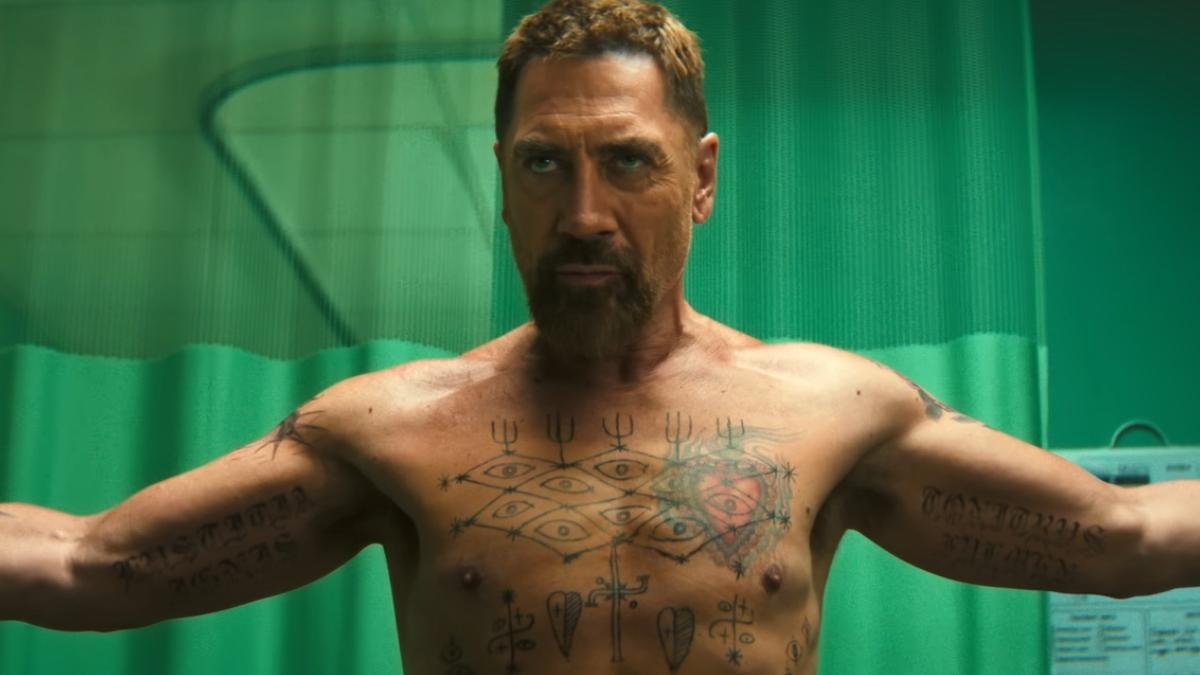
Few psychological thrillers have left as lasting an impression as Cape Fear. Adapted from John D. MacDonald’s novel The Executioners, the story has been successfully reinvented twice before—first in 1962 and later in Martin Scorsese’s celebrated 1991 adaptation. Each version reflected the anxieties of its era while maintaining an atmosphere of relentless tension.
The latest Apple TV+ adaptation attempts to modernize the story for contemporary audiences through a 10-episode series starring Javier Bardem, Amy Adams, Patrick Wilson, and an accomplished supporting cast. With Nick Antosca as creator and executive producers Martin Scorsese and Steven Spielberg attached, expectations were understandably high.
Unfortunately, while the series offers impressive cinematography and occasional flashes of strong performances, it struggles with inconsistent storytelling, weak character decisions, and pacing issues that prevent it from becoming the gripping psychological thriller fans expected.
Why the Cape Fear Franchise Has Endured for Decades
The enduring popularity of Cape Fear lies in its deceptively simple premise. A convicted criminal believes he has been wronged by the legal system and dedicates himself to psychologically destroying the lawyer he blames for his imprisonment.
Rather than relying solely on physical violence, the story traditionally explores fear, guilt, morality, and the fragile illusion of safety within an ordinary family.
Each adaptation has reflected changing social concerns:
- The 1962 film emphasized clear distinctions between justice and evil.
- The 1991 version introduced moral ambiguity, questioning whether legal victories always represent ethical victories.
- The 2026 television series attempts to address modern issues including social media, public perception, institutional distrust, and hidden family secrets.
These themes remain highly relevant, making the series’ uneven execution even more disappointing.
Story Overview: Revenge Returns After Seventeen Years
The series follows Max Cady, portrayed by Javier Bardem, who is released after serving 17 years in prison. He blames former defense attorney Anna Bowden and prosecutor Tom Bowden for convincing him to accept a plea agreement that ultimately destroyed his life.
Now married with two teenage children, Anna and Tom appear to have built successful careers and a stable family life. Max sees their success as proof that they benefited while he sacrificed everything.
His mission becomes psychological revenge rather than immediate violence, forcing the Bowden family into an increasingly dangerous confrontation.
The premise promises an emotionally complex exploration of guilt, justice, and obsession. However, much of that potential is undermined by narrative choices that reduce suspense instead of building it.
The Biggest Problem: Suspense Frequently Gives Way to Confusion
A psychological thriller succeeds when viewers constantly question what might happen next while understanding why characters make difficult decisions. This adaptation often struggles with the second requirement.
Many crucial moments rely on characters making decisions that appear irrational despite their backgrounds.
Anna and Tom are portrayed as experienced lawyers, yet they repeatedly ignore obvious legal strategies, mishandle evidence, and create avoidable crises. Their choices frequently feel designed to keep the plot moving rather than emerging naturally from their personalities.
Supporting characters fare little better. Law enforcement officers, investigators, media figures, and family members often behave inconsistently, making it difficult to invest emotionally in the escalating conflict.
Instead of feeling trapped by an intelligent adversary, the protagonists often seem trapped by the screenplay itself.
Javier Bardem Delivers Commitment Even When the Script Doesn’t
One of the series’ strongest assets is Javier Bardem’s willingness to fully embrace the role of Max Cady.
Rather than simply copying Robert De Niro’s iconic performance or Robert Mitchum’s chilling original portrayal, Bardem develops a version that feels physically imposing and emotionally unpredictable.
His interpretation emphasizes psychological intimidation over constant physical menace, particularly during quieter confrontations.
Ironically, Bardem becomes most entertaining during the finale, where his theatrical performance injects much-needed energy into a story that has largely lost momentum.
Even then, however, individual acting cannot compensate for structural weaknesses in the overall narrative.
Amy Adams and Patrick Wilson Deserve Better Material
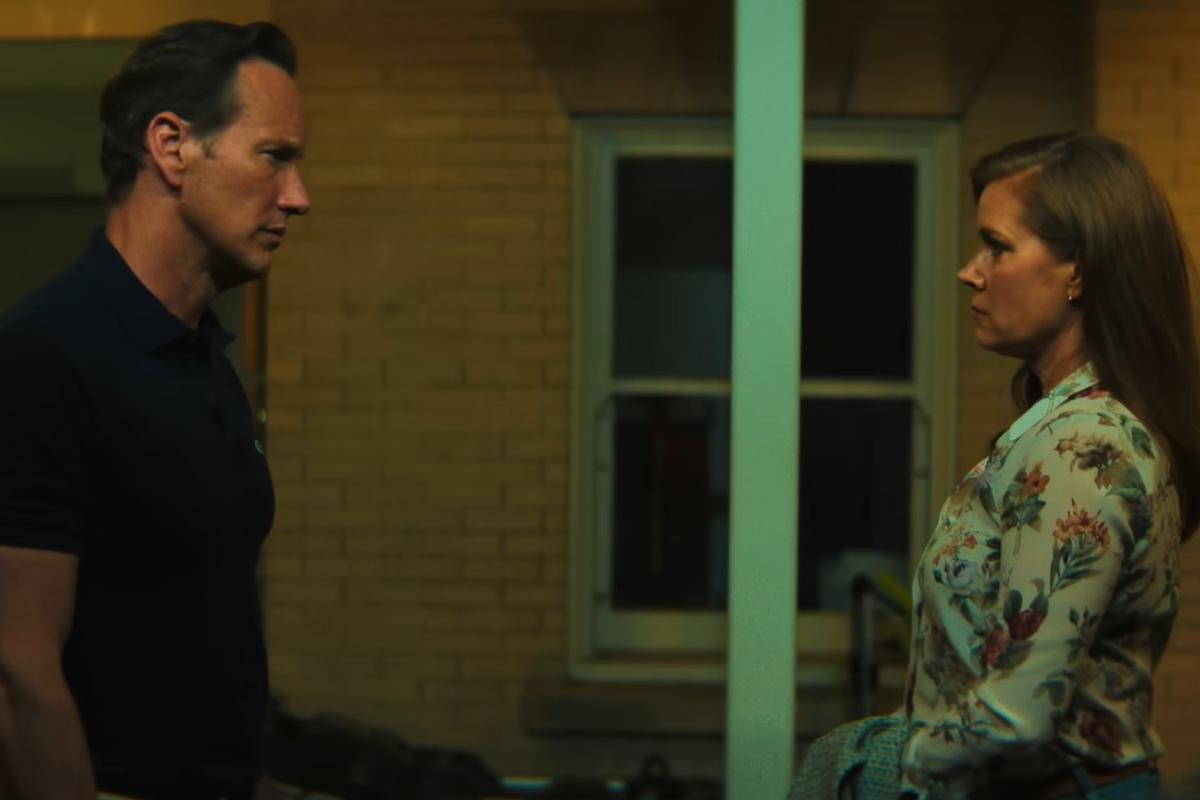
Amy Adams and Patrick Wilson remain consistently committed throughout the series, portraying parents attempting to protect their family while confronting uncomfortable truths from their past.
However, the script rarely allows either actor to explore meaningful emotional complexity.
Their internal conflicts are frequently replaced by repetitive conversations centered around keeping secrets rather than examining the moral consequences of their earlier decisions.
As a result, characters who should feel deeply layered often appear surprisingly one-dimensional.
How the Television Format Changes Cape Fear
Expanding a tightly constructed psychological thriller into a ten-episode series presents obvious challenges.
While longer formats allow richer character development, they also demand stronger pacing and carefully planned story progression.
Instead of using additional runtime to deepen the central conflict, the series introduces numerous secondary plots involving family histories, abusive relationships, mysterious figures, and social media commentary.
Many of these ideas have potential individually but collectively dilute the story’s primary source of tension.
Visual Style Remains a Major Strength
If there is one area where the series consistently succeeds, it is visual presentation.
The cinematography creates an atmosphere of unease through rich colors, dramatic lighting, and carefully composed shots that reinforce the emotional instability surrounding the characters.
The production design similarly captures the uneasy contrast between comfortable suburban life and lurking danger.
Combined with Bernard Herrmann’s iconic musical influence and several effective soundtrack choices—including Blue Öyster Cult’s legendary “(Don’t Fear) The Reaper”—the audiovisual experience remains engaging even when the storytelling falters.
Modern Themes Never Reach Their Full Potential
One of the reboot’s ambitions is updating Cape Fear for today’s world.
Topics including online reputation, digital media, public opinion, institutional mistrust, and changing legal ethics all appear throughout the season.
These are compelling themes that could have distinguished this adaptation from its predecessors.
However, they are introduced only briefly before the narrative shifts back toward conventional thriller elements.
The result is a series that hints at contemporary relevance without fully exploring how technology and modern culture have transformed fear itself.
Why Psychological Thrillers Need Logical Characters
The greatest psychological thrillers succeed because audiences believe intelligent people are facing impossible situations.
When characters repeatedly ignore obvious solutions or make decisions that contradict their established expertise, suspense gradually disappears.
This becomes one of the series’ biggest weaknesses.
Instead of asking viewers to admire Max’s manipulation, the story often asks them to overlook implausible behavior from nearly everyone involved.
That distinction significantly reduces emotional investment.
Does the Violence Enhance the Story?
The series features numerous graphic moments intended to increase tension.
Unfortunately, many violent scenes feel disconnected from character development or narrative progression.
Rather than making Max more psychologically frightening, excessive brutality occasionally shifts attention away from the emotional conflict that made previous versions memorable.
Psychological horror often proves more disturbing than graphic violence, and the series misses opportunities to exploit that advantage.
What This Reboot Says About Hollywood’s Remake Trend
The new Cape Fear reflects a broader industry pattern in which acclaimed films are increasingly expanded into prestige television dramas.
While this approach has produced notable successes for some franchises, it also illustrates an important creative challenge: longer runtimes alone do not automatically create deeper storytelling.
Classic thrillers typically thrive because of their precision, tight pacing, and escalating tension. Stretching those narratives without equally expanding emotional complexity can weaken their impact.
In that respect, Cape Fear serves as a reminder that faithful modernization requires more than contemporary settings and larger episode counts.
Final Verdict: An Attractive Production That Rarely Becomes Truly Thrilling
The Apple TV+ adaptation of Cape Fear had nearly every ingredient necessary for success—a legendary source material, respected filmmakers, award-winning actors, and impressive production values.
Yet compelling visuals and committed performances cannot fully overcome inconsistent writing, uneven pacing, and surprisingly weak character logic.
Javier Bardem delivers an entertaining interpretation of Max Cady, especially during the closing episodes, while Amy Adams and Patrick Wilson bring professionalism to underwritten roles.
For longtime fans of the franchise, the series offers moments worth watching, particularly for its performances and cinematic presentation. However, viewers seeking the relentless psychological tension that defined earlier adaptations may find this reboot far less satisfying than expected.
Ultimately, Cape Fear remains a fascinating story about fear, justice, revenge, and morality. This latest version reminds audiences why the premise continues to endure—but also demonstrates that updating a classic requires more than expanding its runtime. A sharper script and more disciplined storytelling could have transformed this ambitious reboot into the modern psychological masterpiece it aspired to become.
For breaking news and live news updates, like us on Facebook or follow us on Twitter and Instagram. Read more on Latest Entertainment on thefoxdaily.com.

COMMENTS 0