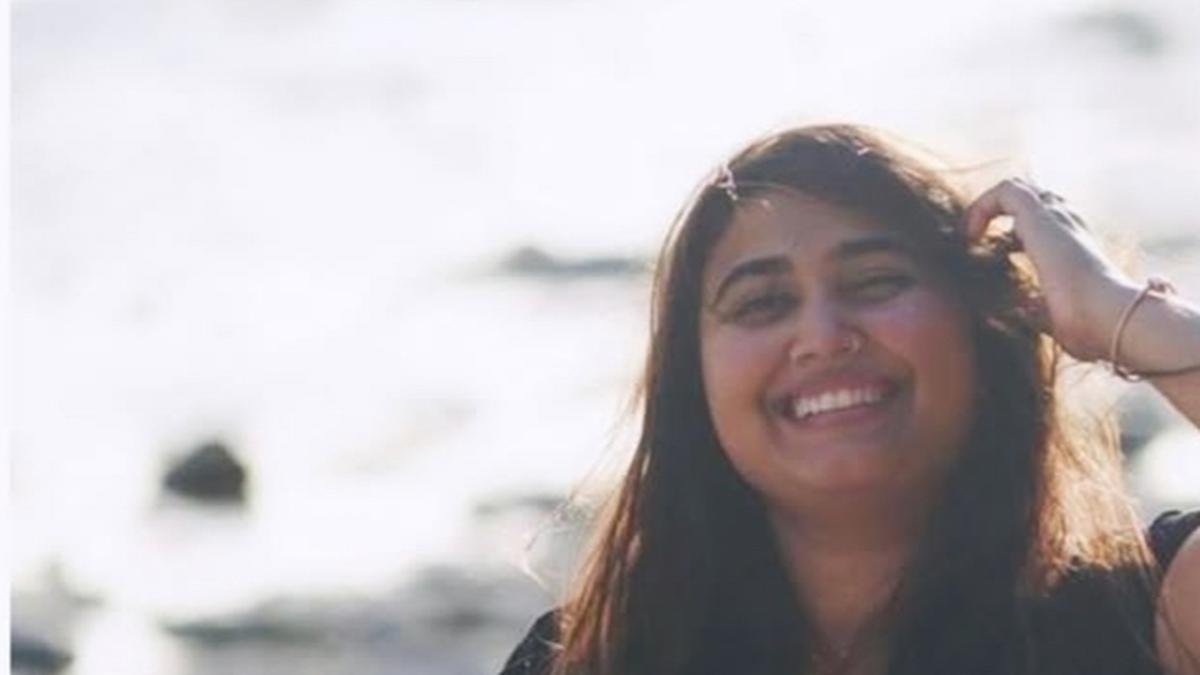
The backlash emerged after several actors used their social media platforms to voice concern over the handling of protests related to the alleged NEET UG 2026 paper leak and demands for examination reforms. While their posts were intended to express solidarity with students, they also triggered waves of criticism, abusive comments, and trolling across social media platforms.
Why Malayalam Celebrities Are Facing Online Backlash
The online criticism began after celebrities shared or reposted messages supporting the ongoing demonstrations at Jantar Mantar.
The protests have centered around allegations surrounding the NEET UG 2026 paper leak, demands for greater transparency in competitive examinations, and calls for education reforms. Some demonstrators have also sought the resignation of Union Education Minister Dharmendra Pradhan.
As the issue gained national attention, several actors chose to publicly express concern about the treatment of protesters, leading to polarized reactions online.
Vismaya Mohanlal’s Social Media Post
Vismaya Mohanlal, daughter of veteran actor Mohanlal, shared an Instagram Story condemning the reported police action against protesting students and expressing concern over attempts to suppress peaceful demonstrations.
Although the post reflected solidarity with the protesters, it quickly became the subject of widespread discussion across social media, where supporters and critics engaged in heated debates.
Celebrities Reportedly Targeted
Apart from Vismaya Mohanlal, several other Malayalam film personalities reportedly became targets of online abuse after expressing support for the protests.
| Celebrity | Industry | Reported Situation |
|---|---|---|
| Vismaya Mohanlal | Author & Artist | Faced online criticism after sharing protest-related content. |
| Dulquer Salmaan | Actor | Targeted following public comments supporting dialogue. |
| Tovino Thomas | Actor | Faced criticism over social media support. |
| Parvathy Thiruvothu | Actor | Received online backlash for expressing solidarity. |
| Ranjini Haridas | Television Presenter | Reportedly subjected to trolling. |
How Social Media Amplifies Public Controversies
Social media has transformed how celebrities communicate with audiences. While these platforms allow public figures to speak directly to millions of followers, they also expose them to immediate and widespread criticism.
Online reactions often intensify during politically sensitive events, with opinions spreading rapidly across multiple platforms.
Common forms of digital harassment include:
- Abusive comments.
- Personal attacks.
- Coordinated trolling.
- Harassment through direct messages.
- Targeted misinformation.
- Calls for boycotts.
The Role of Celebrities in Public Conversations
Actors and other public personalities increasingly use their platforms to discuss social, humanitarian, and civic issues.
Supporters argue that celebrities have the right—and in some cases the responsibility—to speak about issues affecting society. Critics, however, often believe entertainers should remain separate from political debates.
This difference in expectations frequently results in polarized online discussions whenever prominent personalities comment on current affairs.
Freedom of Expression Versus Online Harassment
The incident has once again highlighted the distinction between disagreement and harassment.
Healthy public debate allows differing viewpoints, but coordinated abuse, intimidation, and personal attacks can discourage individuals from participating in public discourse.
Digital rights advocates have repeatedly emphasized that freedom of expression should apply to everyone while maintaining respectful communication.
Growing Concern Over Online Abuse
Online harassment has become an increasing concern for public figures across entertainment, sports, journalism, and politics.
Common consequences include:
- Emotional stress.
- Mental health challenges.
- Reduced willingness to engage publicly.
- Increased security concerns.
- Social media withdrawal.
Many celebrities now rely on moderation tools, reporting systems, and professional teams to manage abusive online activity.
Public Figures and Social Responsibility
Public personalities often influence conversations far beyond entertainment. Their comments can bring visibility to important issues, encourage dialogue, and inspire civic participation.
At the same time, their visibility also makes them frequent targets during contentious public debates.
Balancing advocacy with personal privacy and online safety remains one of the biggest challenges for celebrities in the digital era.
Digital Platforms and Content Moderation
Major social media platforms have introduced policies intended to reduce harassment, hate speech, and coordinated abuse. These include:
- Comment filtering.
- Account blocking.
- Reporting abusive content.
- Automated moderation tools.
- Restrictions on repeated offenders.
Despite these measures, critics argue that enforcement often struggles to keep pace with the volume and speed of online interactions.
Broader Impact on Public Discourse
Incidents involving celebrity harassment extend beyond individual cases. They influence how public conversations unfold and may discourage others from sharing opinions on important social issues.
Experts note that respectful disagreement strengthens democratic dialogue, whereas intimidation and abuse can undermine meaningful public participation.
| Issue | Potential Impact |
|---|---|
| Online harassment | Emotional distress and reputational harm |
| Celebrity activism | Greater public awareness of social issues |
| Digital abuse | Reduced willingness to engage publicly |
| Social media polarization | More hostile public conversations |
| Content moderation challenges | Difficulty controlling abusive behaviour |
Why the Incident Matters
The controversy surrounding Malayalam actors reflects larger questions about the role of celebrities in civic discussions, the limits of online criticism, and the responsibilities of digital platforms.
As social media continues to shape public opinion, ensuring that debate remains respectful while protecting freedom of expression has become increasingly important.
Conclusion
The reported online harassment of Vismaya Mohanlal, Dulquer Salmaan, Tovino Thomas, Parvathy Thiruvothu, and other Malayalam personalities highlights the growing challenges public figures face when expressing opinions on sensitive national issues. While public disagreement remains an essential part of democratic discourse, abusive online behaviour raises broader concerns about digital safety, respectful communication, and freedom of expression.
As conversations around the Jantar Mantar protests continue, the episode also serves as a reminder of the powerful role social media plays in amplifying both support and criticism, making responsible online engagement more important than ever.
For breaking news and live news updates, like us on Facebook or follow us on Twitter and Instagram. Read more on Latest Entertainment on thefoxdaily.com.


COMMENTS 0