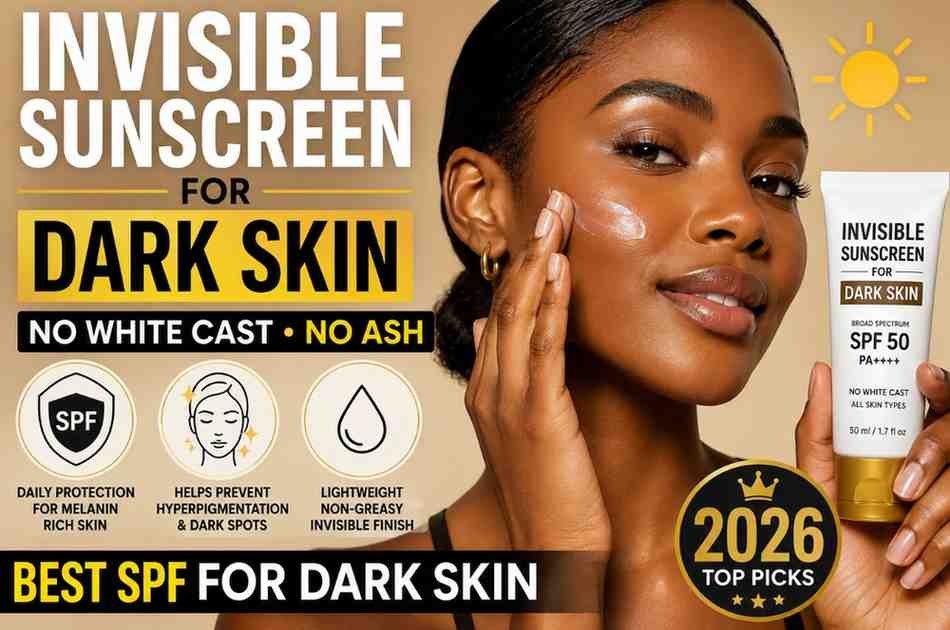
Who needs sunscreen? Everyone—including people with dark skin tones. What’s changed in 2026? A new generation of invisible sunscreens for dark skin that eliminate white cast while offering serious protection. When should you use it? Every single day, regardless of weather. Where? Everywhere your skin is exposed—face, neck, hands, even indoors near windows. Why? Because melanin doesn’t fully protect against UV damage, hyperpigmentation, or long-term skin aging. How? By choosing formulas designed specifically for melanin-rich skin that blend seamlessly and protect effectively.
For years, sunscreen advice overlooked darker skin tones. The result? Misinformation, underuse, and rising concerns about uneven skin tone, premature aging, and even late-detected skin cancers. This guide goes far beyond a product list—it breaks down the science, industry shifts, and smart buying decisions you need to make in 2026.
Context & Background: The Truth About Dark Skin and Sun Protection
Melanin does provide a natural SPF-like effect, roughly equivalent to SPF 13 in some cases. That sounds helpful—but it’s far from sufficient. UVA rays, which penetrate deeper into the skin, are largely responsible for:
- Hyperpigmentation and melasma
- Premature aging (fine lines, wrinkles)
- Worsening acne marks
- Long-term DNA damage
Key insight: The biggest concern for darker skin isn’t just sunburn—it’s uneven skin tone. UV exposure triggers excess melanin production, making dark spots harder to fade.
Historically, mineral sunscreens (zinc oxide, titanium dioxide) left a visible white cast. This led to low adoption rates among people with deeper skin tones. But innovation has changed the game.
What Makes a Sunscreen “Invisible” in 2026?
Modern invisible sunscreens use advanced formulation techniques:
- Micronized minerals: Smaller particles that blend better
- Chemical UV filters: Absorb UV rays without leaving residue
- Hybrid formulas: Combine mineral + chemical for balanced protection
- Tinted options: Neutralize white cast while evening skin tone
Pro tip: “Invisible” doesn’t just mean no white cast—it also means no greasy residue, no pilling under makeup, and no ashy finish.
Top 10 Invisible Sunscreens for Dark Skin (2026 Picks)
These selections are based on dermatological standards, formulation quality, and real-world usability for melanin-rich skin.
1. Black Girl Sunscreen SPF 30
Best for: Everyday hydration + no white cast
A cult favorite designed specifically for darker skin tones. Doubles as a moisturizer with a dewy finish.
2. EltaMD UV Clear SPF 46
Best for: Acne-prone skin
Lightweight, oil-free, and packed with niacinamide to calm inflammation.
3. CeraVe Hydrating Mineral Sunscreen
Best for: Barrier repair
Contains ceramides and is widely accessible—great for beginners.
4. Fenty Skin Hydra Vizor SPF 30
Best for: Hyperpigmentation
Combines sunscreen with skincare benefits in a refillable system.
5. Neutrogena Invisible Daily Defense Spray
Best for: Body + outdoor use
Quick application and water-resistant—ideal for active lifestyles.
6. La Roche-Posay Anthelios Melt-In Milk SPF 100
Best for: High SPF protection
Offers strong UVA/UVB coverage without heaviness.
7. Buttah Skin Tinted Mineral Sunscreen
Best for: Oily skin
Matte finish with a subtle tint to prevent ashiness.
8. Kosas DreamBeam SPF 40
Best for: Makeup prep
Acts as a primer with a radiant glow.
9. Tatcha The Silk Sunscreen
Best for: Luxury skincare lovers
Silky texture that layers beautifully under makeup.
10. Supergoop Protec(tint) SPF
Best for: Shade variety
Offers multiple tints to match different undertones.
Comparison Table: Choosing the Right Sunscreen
| Product | Skin Type | SPF | Finish | Key Benefit |
|---|---|---|---|---|
| Black Girl Sunscreen | Dry/Normal | 30 | Dewy | No white cast |
| EltaMD UV Clear | Acne-prone | 46 | Natural | Soothing ingredients |
| Fenty Hydra Vizor | All | 30 | Glowy | Brightening |
| La Roche-Posay | All | 100 | Lightweight | High protection |
| Supergoop Protec(tint) | All | Varies | Tinted | Shade matching |
Deep Analysis: Why Sunscreen for Dark Skin Is Finally Evolving
The beauty industry has undergone a major shift. Inclusivity is no longer optional—it’s a competitive advantage.
Three major trends driving change:
- Consumer demand: More people are demanding products that actually work for deeper skin tones
- Dermatology awareness: Increased education about hyperpigmentation and UVA damage
- Innovation: Better filters, improved textures, and smarter formulations
Unique insight: The rise of “skin of color dermatology” is influencing product development. Brands are now testing products specifically on diverse skin tones—not just adapting existing formulas.
Real-World Impact: What Happens If You Skip Sunscreen?
Skipping sunscreen doesn’t always show immediate damage—but the long-term effects are significant:
- Dark spots take longer to fade
- Skin tone becomes uneven over time
- Anti-aging products become less effective
- Higher risk of undetected skin cancers (often diagnosed later in darker skin)
Reality check: Many people invest in serums and treatments for hyperpigmentation—but without sunscreen, those efforts are undermined daily.
How to Choose the Best Invisible Sunscreen for Your Skin
Look for These Features:
- SPF 30 or higher
- Broad-spectrum protection (UVA + UVB)
- No white cast or tinted option
- Non-comedogenic (for acne-prone skin)
- Hydrating or mattifying based on your skin type
Avoid These Mistakes:
- Choosing SPF based on marketing, not need
- Skipping reapplication (every 2–3 hours)
- Ignoring ingredients that may irritate your skin
Future Outlook: What’s Next for Sunscreens in 2027 and Beyond?
The future of sunscreen is smarter, more personalized, and more inclusive.
- AI-driven skincare: Personalized SPF recommendations
- Adaptive formulas: Sunscreens that adjust to your skin tone
- Skincare hybrids: SPF combined with treatment actives
Prediction: Within the next few years, “invisible sunscreen” will become the standard—not a niche category.
Conclusion: Invisible Protection Is No Longer Optional
The idea that dark skin doesn’t need sunscreen is outdated—and potentially harmful. Today’s best invisible sunscreens for dark skin solve the biggest barrier: cosmetic mismatch.
With better formulations, inclusive design, and growing awareness, there’s no reason to skip SPF anymore. Whether your goal is preventing hyperpigmentation, maintaining an even skin tone, or protecting long-term skin health, the right sunscreen is your most powerful tool.
Bottom line: The best sunscreen is the one you’ll actually use—and in 2026, there are finally options made with you in mind.
For breaking news and live news updates, like us on Facebook or follow us on Twitter and Instagram. Read more on Latest Health on thefoxdaily.com.

COMMENTS 0