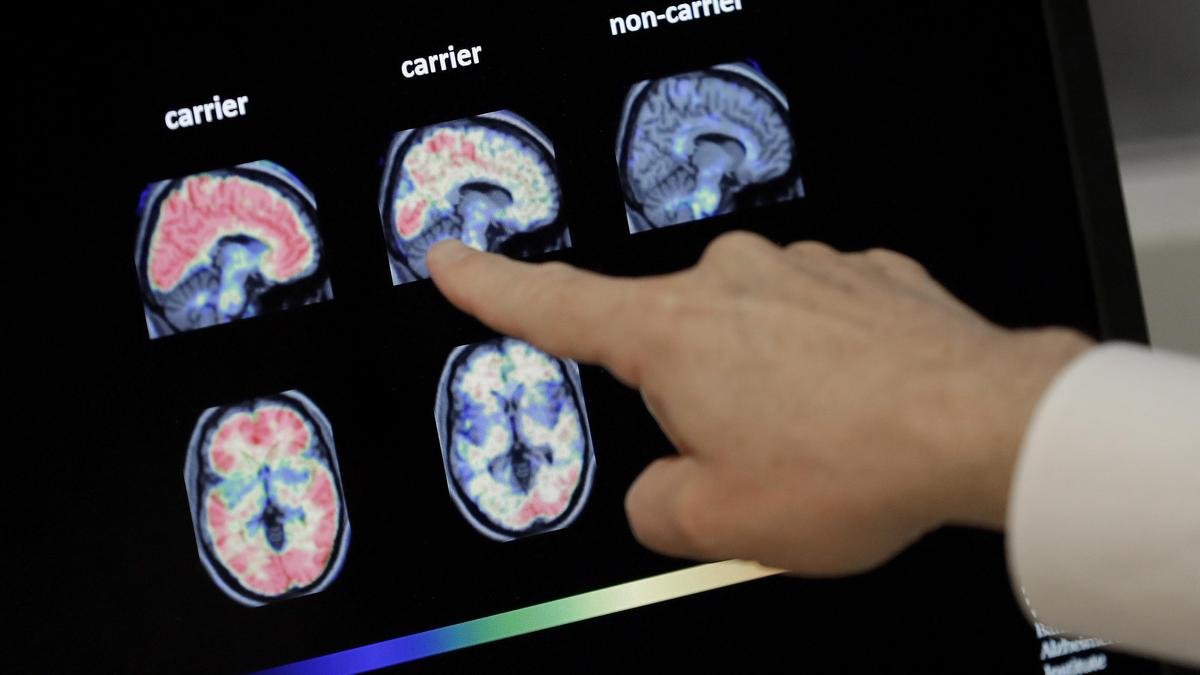
Dementia is emerging as one of India’s fastest-growing public health challenges, driven by an ageing population, longer life expectancy, and the rising burden of chronic diseases. A comprehensive review of research spanning 25 years has highlighted that several common yet preventable health conditions—including diabetes, hearing loss, physical inactivity, undernutrition, vision impairment, and limited education—significantly increase the likelihood of developing dementia among Indians.
The findings are particularly important because many of these risks can be modified through lifestyle changes, early diagnosis, better healthcare access, and public health interventions. Unlike several Western countries where obesity dominates dementia prevention discussions, the Indian population presents a unique combination of metabolic, nutritional, educational, and healthcare-related risk factors that require country-specific solutions.
Key Highlights of the New Dementia Study
The review evaluated dementia-related studies conducted in India between 2000 and 2025. Researchers analyzed the evidence against internationally recognized modifiable dementia risk factors to understand how India’s disease profile differs from global trends.
| Major Finding | What It Means |
|---|---|
| Earlier-onset diabetes | One of the strongest contributors to dementia risk in Indians. |
| Hearing loss | Associated with substantially higher risk of dementia and Alzheimer’s disease. |
| Physical inactivity | Lack of regular exercise increases long-term cognitive decline. |
| Undernutrition | Being underweight may increase dementia risk in India. |
| Limited education | A much larger contributor to dementia risk than the global average. |
| Vision impairment | Untreated eye problems may accelerate cognitive decline. |
| Women and rural populations | Higher prevalence observed compared to men and urban residents. |
Why Dementia Is Becoming a Major Health Concern in India
Dementia is not a single disease but a collection of symptoms affecting memory, thinking, reasoning, communication, and the ability to perform everyday activities. Alzheimer’s disease is the most common form, although vascular dementia and mixed dementia are also common.
India’s elderly population is growing rapidly. As life expectancy increases, the number of people living with dementia is expected to rise sharply over the coming decades, creating significant challenges for families, caregivers, healthcare providers, and policymakers.
Unlike infectious diseases, dementia develops gradually over many years. This long window before symptoms appear offers an opportunity to reduce risk by addressing preventable health conditions during midlife.
Diabetes Emerges as One of the Strongest Risk Factors
The study identifies diabetes as one of the most important contributors to dementia risk in India.
South Asians frequently develop type 2 diabetes at younger ages and often at lower body weights than many other populations. Earlier exposure to high blood sugar can damage blood vessels supplying the brain, increase inflammation, and impair normal nerve function over decades.
Research suggests diabetes may increase dementia risk by two to three times, making blood sugar management one of the most effective long-term strategies for protecting Brain Health.
How Diabetes Affects the Brain
- Damages small blood vessels supplying brain tissue.
- Increases chronic inflammation.
- Promotes oxidative stress.
- Reduces insulin signalling important for brain cells.
- Raises the risk of strokes and vascular dementia.
- Accelerates cognitive ageing.
Hearing Loss Is More Than an Ear Problem
One of the most striking findings is the strong relationship between hearing loss and dementia.
Millions of Indian adults experience hearing impairment, yet many cases remain untreated due to lack of awareness, affordability, or delayed diagnosis. Reduced hearing can isolate individuals socially, increase mental strain during conversations, and reduce brain stimulation over time.
Researchers found hearing loss was associated with a significantly increased likelihood of dementia and Alzheimer’s disease, making hearing care an important component of healthy ageing.
Simple Steps That Can Help
- Routine hearing assessments after middle age.
- Early treatment of ear infections.
- Timely use of hearing aids when recommended.
- Reducing prolonged exposure to loud noise.
- Seeking specialist care instead of ignoring hearing difficulties.
Physical Activity Protects Brain Health
Regular exercise benefits both the body and the brain. Even modest levels of physical activity improve blood circulation, reduce inflammation, strengthen heart health, and stimulate the growth of new neural connections.
The review highlights that many Indian adults remain physically inactive despite evidence showing that even limited weekly exercise may substantially lower dementia risk.
Walking, cycling, yoga, swimming, household work, gardening, and resistance training all contribute to maintaining healthy cognitive function over time.
India’s Unique Challenge: Undernutrition Alongside Chronic Disease
Unlike many developed nations where obesity receives greater attention, India’s nutritional landscape is more complex.
Being underweight or chronically undernourished may also contribute to cognitive decline. Poor nutrition can deprive the brain of essential vitamins, proteins, healthy fats, and micronutrients needed for maintaining nerve cells and supporting memory.
This finding demonstrates that dementia prevention in India must address both metabolic disorders and nutritional deficiencies simultaneously.
Education Plays a Bigger Role Than Many Realize
The review found limited education contributes a much larger proportion of dementia risk in India compared with the global average.
Education strengthens what neurologists call “cognitive reserve”—the brain’s ability to compensate for age-related changes and disease. Individuals with greater educational opportunities often develop stronger neural networks that may delay the appearance of dementia symptoms.
Improving literacy, lifelong learning, and cognitive engagement may therefore contribute to healthier brain ageing.
Vision Problems May Also Increase Dementia Risk
Untreated vision impairment is another important but often overlooked factor.
Poor vision reduces independence, limits physical activity, increases social isolation, and decreases cognitive stimulation. Regular eye examinations and timely treatment of cataracts, refractive errors, glaucoma, or diabetic eye disease could therefore contribute to preserving cognitive health.
Why Women Show Higher Dementia Prevalence
The review observed higher dementia prevalence among women, reflecting trends reported internationally.
Several factors may contribute:
- Women generally live longer than men.
- Hormonal changes after menopause may influence brain health.
- Historical educational inequalities.
- Differences in healthcare access.
- Greater caregiving burdens leading to chronic stress.
Understanding these factors can help develop prevention programs tailored specifically for women.
Rural India Faces Additional Challenges
Higher dementia prevalence was also reported among rural populations.
This may reflect delayed diagnosis, limited specialist healthcare, lower awareness, untreated chronic illnesses, reduced access to hearing and vision services, and educational disparities.
Strengthening primary healthcare, improving screening programs, and expanding rural neurological services could substantially improve early detection.
Modifiable vs Non-Modifiable Dementia Risk Factors
| Non-Modifiable Factors | Modifiable Factors |
|---|---|
| Increasing age | Diabetes management |
| Family history | Regular exercise |
| Genetics | Hearing care |
| Inherited neurological conditions | Healthy nutrition |
| Biological ageing | Vision correction |
| Blood pressure control | |
| Mental stimulation | |
| Smoking cessation | |
| Social engagement |
Practical Ways to Reduce Dementia Risk
Although no guaranteed method exists to prevent dementia, evidence increasingly supports maintaining overall cardiovascular and metabolic health.
- Control blood sugar effectively.
- Treat hearing problems early.
- Exercise consistently.
- Maintain healthy body weight.
- Eat a balanced diet rich in fruits, vegetables, whole grains, nuts, and healthy fats.
- Manage blood pressure and cholesterol.
- Stay mentally active through reading, puzzles, and lifelong learning.
- Maintain strong social connections.
- Schedule regular eye examinations.
- Avoid tobacco and excessive alcohol consumption.
Why Early Prevention Matters
Brain changes linked to dementia often begin many years before noticeable memory problems appear. By the time symptoms become obvious, significant damage may already have occurred.
This makes prevention during midlife especially valuable. Identifying diabetes, hearing impairment, hypertension, nutritional deficiencies, and other health issues early creates opportunities to slow or delay cognitive decline.
The Need for More Long-Term Indian Research
Researchers emphasize that India urgently requires large longitudinal studies following individuals over many years. Such research would help identify which combinations of lifestyle, environmental, metabolic, educational, and genetic factors have the greatest influence on dementia among Indian populations.
Long-term evidence will also support the development of prevention strategies tailored specifically to India’s diverse communities rather than relying solely on findings from Western populations.
What This Means for Public Health
The study reinforces that dementia should not be viewed as an inevitable consequence of ageing. Many of its strongest risk factors are preventable, treatable, or manageable through better healthcare access, early screening, healthier lifestyles, and increased public awareness.
For India, tackling diabetes, improving hearing and vision care, promoting physical activity, addressing undernutrition, expanding educational opportunities, and strengthening rural healthcare could collectively reduce future dementia cases while improving quality of life for millions of older adults.
Key Takeaway: Dementia prevention in India requires a uniquely Indian approach. Managing diabetes early, treating hearing and vision loss, encouraging regular physical activity, improving nutrition, and expanding education and healthcare access could significantly reduce the country’s growing burden of cognitive decline in the decades ahead.
For breaking news and live news updates, like us on Facebook or follow us on Twitter and Instagram. Read more on Latest Health on thefoxdaily.com.






COMMENTS 0