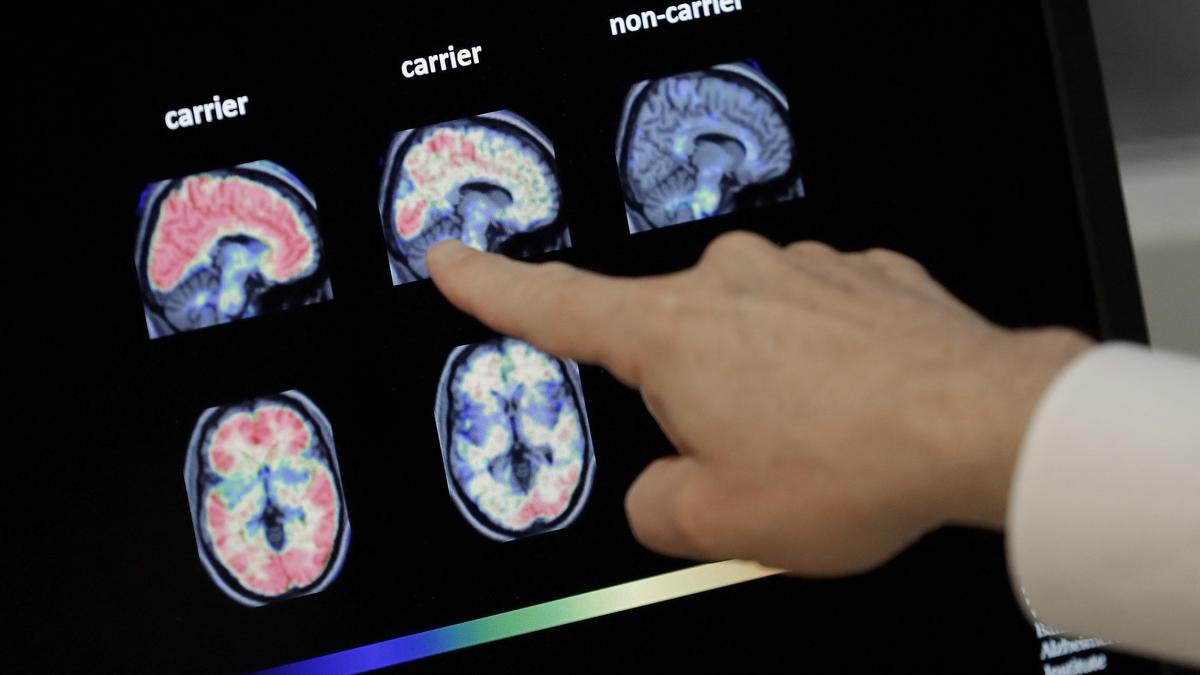
Dementia is emerging as one of India’s fastest-growing public Health concerns, with new research highlighting diabetes, hearing loss and several other modifiable health conditions as significant contributors to cognitive decline. The findings also suggest that women and people living in rural areas are disproportionately affected, emphasizing the need for earlier screening, preventive healthcare and greater awareness across the country.
As India’s population continues to age, dementia is expected to place increasing pressure on families, caregivers and the healthcare system. While age remains the strongest risk factor, experts now recognize that a substantial proportion of dementia cases may be delayed or potentially prevented by addressing lifestyle, medical and environmental risks throughout adulthood.
The study reinforces an important message: protecting brain health begins decades before memory problems appear.
Understanding Dementia
Dementia is not a single disease but a group of conditions that gradually affect memory, thinking, reasoning, language and the ability to perform everyday activities. The condition develops when brain cells become damaged and lose their ability to communicate effectively.
Although Alzheimer’s disease is the most common cause, dementia also includes several other forms that affect cognitive function in different ways.
Symptoms usually develop gradually and may include:
- Persistent memory loss.
- Difficulty solving problems.
- Confusion about time or place.
- Trouble finding words.
- Poor judgment and decision-making.
- Personality or behavioural changes.
- Difficulty performing familiar daily tasks.
Why Dementia Is Becoming a Major Health Challenge in India
India is experiencing rapid demographic change, with a growing elderly population living longer than previous generations. While longer life expectancy is a positive achievement, it also increases the number of people at risk of age-related neurological disorders.
Urbanization, changing lifestyles, increasing rates of diabetes and cardiovascular disease, along with improved survival from chronic illnesses, have collectively contributed to a rising dementia burden.
Experts believe that improving awareness and reducing modifiable risk factors could significantly lower future dementia cases.
Diabetes: A Significant Risk Factor for Cognitive Decline
Diabetes has emerged as one of the strongest modifiable contributors to dementia risk. Persistently elevated blood sugar levels can damage blood vessels throughout the body, including those supplying the brain.
Long-term diabetes may contribute to:
- Reduced blood flow to brain tissue.
- Chronic inflammation.
- Damage to nerve cells.
- Greater risk of stroke.
- Accelerated cognitive ageing.
Maintaining healthy blood glucose levels through lifestyle changes and appropriate medical care may help reduce long-term risks to brain health.
Hearing Loss and Its Surprising Connection to Dementia
One of the most important findings highlighted by recent research is the growing recognition of hearing loss as a potentially preventable dementia risk factor.
Untreated hearing impairment can reduce communication, increase social isolation and place greater cognitive demands on the brain. Over time, these changes may contribute to faster cognitive decline.
Early hearing assessment and appropriate treatment may help older adults remain socially active and mentally engaged, supporting healthier brain ageing.
Why Women May Be More Vulnerable
The study indicates that women in India experience a higher prevalence of dementia than men. Several factors may contribute to this difference.
Possible explanations include:
- Women generally live longer, increasing exposure to age-related risk.
- Hormonal changes after menopause may influence brain health.
- Higher caregiving responsibilities may delay attention to personal health.
- Differences in education and healthcare access in some communities.
- Greater likelihood of living alone in older age.
These factors highlight the importance of gender-sensitive public health strategies that support women’s lifelong brain health.
Why Rural India Faces Greater Dementia Challenges
The research also found higher dementia prevalence in rural populations. One important reason may be the underdiagnosis and undertreatment of conditions that increase dementia risk.
People living in rural areas may experience:
- Limited access to neurological specialists.
- Delayed diagnosis of diabetes and hypertension.
- Lower awareness of hearing impairment.
- Reduced availability of preventive healthcare.
- Social and economic barriers to medical care.
Improving primary healthcare services and community-based screening programs could help identify risk factors much earlier.
Other Modifiable Risk Factors for Dementia
Dementia develops through a combination of genetic, biological and lifestyle influences. Fortunately, many contributing factors can be managed.
| Risk Factor | How It Affects Brain Health | Can Risk Be Reduced? |
| Diabetes | Damages blood vessels and nerve cells | Yes |
| Hearing Loss | Increases cognitive workload and isolation | Yes |
| High Blood Pressure | Reduces healthy blood flow to the brain | Yes |
| Smoking | Accelerates vascular damage | Yes |
| Physical Inactivity | Reduces cardiovascular and brain health | Yes |
| Obesity | Raises inflammation and metabolic risk | Yes |
| Social Isolation | Reduces cognitive stimulation | Yes |
| Depression | May contribute to long-term cognitive decline | Often manageable |
Early Symptoms That Should Not Be Ignored
Many people mistakenly believe memory loss is a normal part of ageing. While occasional forgetfulness is common, persistent cognitive decline requires medical attention.
Warning signs include:
- Repeatedly forgetting recent conversations.
- Difficulty managing finances.
- Confusion with familiar routes.
- Problems completing routine activities.
- Noticeable personality changes.
- Difficulty following conversations.
- Increasing dependence on family members.
Early evaluation allows healthcare professionals to identify treatable causes and begin supportive care sooner.
How Lifestyle Choices Can Protect Brain Health
Research increasingly shows that healthy lifestyle habits benefit both the heart and the brain.
- Maintain healthy blood sugar levels.
- Control blood pressure.
- Treat hearing problems promptly.
- Exercise regularly.
- Eat a balanced diet rich in fruits, vegetables and whole grains.
- Stay socially active.
- Challenge the brain through lifelong learning.
- Get adequate sleep.
- Avoid tobacco use.
- Limit excessive alcohol consumption.
These measures not only support brain function but also improve overall health throughout ageing.
The Importance of Early Screening
Routine health check-ups provide valuable opportunities to detect conditions such as diabetes, hypertension and hearing impairment before they contribute to long-term neurological damage.
Healthcare providers can also assess memory concerns, identify reversible causes of cognitive symptoms and recommend interventions tailored to an individual’s health profile.
For people with multiple risk factors or a family history of dementia, regular monitoring becomes even more important.
Supporting Families Living With Dementia
Dementia affects not only the individual but also families, caregivers and communities. As symptoms progress, people often require increasing assistance with daily activities, communication and decision-making.
Families benefit from:
- Early diagnosis and counselling.
- Education about disease progression.
- Access to rehabilitation and support services.
- Community-based caregiving resources.
- Planning for future healthcare and financial needs.
Reducing stigma surrounding dementia can encourage more families to seek help earlier.
India’s Growing Need for Brain Health Awareness
With diabetes and other chronic diseases becoming increasingly common, protecting cognitive health must become a national public health priority. Public education campaigns, preventive healthcare and improved access to diagnosis can help reduce the future burden of dementia.
Greater awareness is especially important in rural areas, where underdiagnosis of risk factors may delay treatment and increase long-term complications.
Conclusion
The growing evidence linking diabetes, hearing loss and other modifiable conditions to dementia offers an important opportunity for prevention. While ageing cannot be changed, many contributing risk factors can be managed through timely diagnosis, healthy lifestyle choices and regular medical care.
For India, where women and rural populations appear to face a greater burden, investing in early screening, accessible healthcare and public awareness could significantly improve brain health outcomes in the decades ahead. Protecting memory begins long before old age—it starts with caring for overall health throughout life.
For breaking news and live news updates, like us on Facebook or follow us on Twitter and Instagram. Read more on Latest Health on thefoxdaily.com.






COMMENTS 0