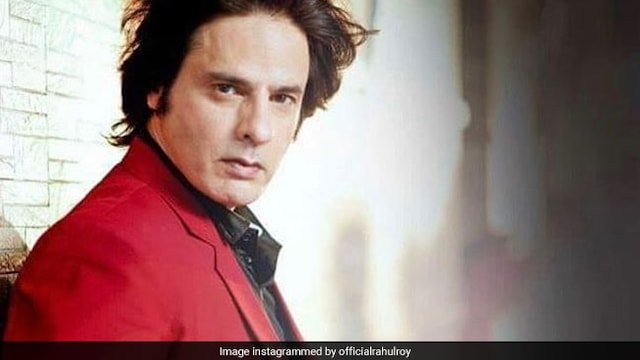
Rahul Roy’s decision to quit smoking and adopt a vegan lifestyle after suffering a brain stroke highlights an important Health lesson: recovery does not end when symptoms improve. Lifestyle changes can play a major role in reducing the risk of another stroke, but going vegan alone is not a guarantee of protection.
The actor, best known for Aashiqui, suffered a brain stroke in 2020 and has spoken about the difficult recovery process and his efforts to return to professional life. In the years since, Roy has made significant changes to his lifestyle, including quitting smoking and following a vegan diet.
His experience raises an important question for stroke survivors and their families: What lifestyle changes can actually help reduce the risk of another stroke?
Can Going Vegan Prevent Another Stroke?
Adopting a vegan diet can encourage people to eat more vegetables, fruits, legumes and whole grains, but diet alone cannot eliminate stroke risk. Stroke prevention depends on several factors, including blood pressure, cholesterol, blood sugar, smoking status, physical activity, body weight and underlying heart or blood-vessel conditions.
Neurologists emphasise that lifestyle modification should be viewed as part of a broader secondary stroke-prevention strategy. A person who has already suffered a stroke may require long-term monitoring, rehabilitation and medication in addition to dietary changes.
For this reason, Rahul Roy’s decision to change his diet and quit smoking can be viewed as meaningful steps rather than a complete prevention plan.
Why The Risk Of A Second Stroke Matters
Once someone has experienced a stroke, preventing another event becomes an important part of long-term care. The causes of stroke can differ from person to person, which means prevention must be personalised.
High blood pressure is one of the most important modifiable risk factors. Diabetes, high cholesterol, smoking, physical inactivity, obesity and certain heart conditions can also increase risk.
This is why simply feeling healthy after recovery should not be considered proof that the underlying risk has disappeared.
7 Lifestyle Changes That Can Help Reduce Stroke Risk
1. Follow A Heart-Healthy Diet
The quality of the overall diet matters more than simply removing meat, eggs or dairy products. A heart-healthy eating pattern can include plenty of vegetables, fruits, whole grains, beans, lentils, nuts and other nutrient-rich foods.
Dietary approaches such as the Mediterranean diet and DASH diet are commonly associated with cardiovascular health. Both emphasise nutrient-dense foods while limiting foods that can contribute to cardiovascular risk.
People should reduce excessive salt, highly processed foods, trans fats, excessive saturated fats and added sugars. For people following a vegan diet, adequate protein and nutrients such as vitamin B12, iron and omega-3 fatty acids also need attention.
A vegan diet can be healthy, but vegan does not automatically mean healthy. Highly processed vegan foods can still contain substantial amounts of sodium, sugar or unhealthy fats.
2. Quit Smoking Completely
Quitting smoking is one of the most important lifestyle changes after a stroke. Tobacco smoke damages blood vessels, promotes inflammation and can increase the tendency for blood clots to form.
Smoking is also linked with atherosclerosis, a condition in which fatty deposits accumulate inside arteries. This can interfere with blood flow and contribute to cardiovascular disease and stroke.
For someone who has already experienced a stroke, quitting completely is more important than simply reducing the number of cigarettes smoked. Avoiding second-hand tobacco smoke can also be beneficial.
3. Exercise Regularly After Medical Clearance
Physical activity can help manage several stroke-risk factors, including blood pressure, body weight, blood sugar and cholesterol. It can also support physical recovery and improve overall mobility.
However, exercise after a stroke should not be treated like an ordinary fitness programme. The right activity depends on the person’s neurological recovery, mobility, balance, cardiovascular health and other medical conditions.
Depending on individual needs, rehabilitation may include walking, physiotherapy, balance exercises, stretching or supervised strength training.
Consistency is more important than pushing the body beyond its limits. Anyone recovering from a stroke should discuss an appropriate exercise plan with their healthcare team.
4. Keep Blood Pressure Under Control
Blood pressure deserves particular attention after a stroke. A person can feel completely normal while still having uncontrolled hypertension, which is why regular monitoring matters.
High blood pressure can damage the walls of blood vessels over time and increase the risk of both ischemic and haemorrhagic stroke. Monitoring at home, attending medical appointments and taking prescribed treatment can help keep blood pressure within the target range recommended by a doctor.
Reducing excess salt, maintaining a healthy weight, staying active and managing stress can support blood-pressure control, but lifestyle measures should not replace prescribed treatment.
5. Monitor Cholesterol And Blood Sugar
High cholesterol and diabetes can contribute to damage of the blood vessels and increase cardiovascular risk. Stroke survivors may therefore need regular checks of cholesterol levels and blood glucose.
A healthy diet and physical activity can support better metabolic health, but some people require medication to reach their recommended targets.
The important point is to understand that stroke prevention is not based on one number. Blood pressure, cholesterol, blood sugar and other risk factors need to be considered together.
6. Take Prescribed Medicines Correctly
Lifestyle changes are important, but they should complement medical treatment rather than replace it.
Depending on the type and cause of a stroke, a survivor may be prescribed medicines to control blood pressure or cholesterol, prevent blood clots or manage another underlying medical condition.
Stroke medication should never be stopped or changed without medical advice. Feeling better does not necessarily mean that the condition requiring treatment has disappeared.
Patients who experience side effects, have concerns about long-term medication or want to change their treatment should discuss those concerns with their doctor rather than stopping medicines independently.
7. Prioritise Rehabilitation, Sleep And Stress Management
Recovery from a stroke can continue for months or even years. Rehabilitation can help people work on movement, speech, balance, strength and everyday activities.
Sleep and stress management also deserve attention. Poor sleep and prolonged stress can make it more difficult to manage blood pressure, weight and blood sugar.
Creating a regular sleep routine, remaining socially connected, following rehabilitation exercises and using appropriate stress-management techniques can support overall recovery.
Rahul Roy’s Lifestyle Change Is A Reminder, Not A Prescription
Rahul Roy’s experience shows how a serious health event can become a turning point. Quitting smoking removes an important cardiovascular risk factor, while a carefully planned plant-based diet can provide many foods associated with heart health.
But his personal choices should not be interpreted as a universal prescription for every stroke survivor.
Every stroke has a cause, and that cause matters when planning prevention. Someone whose stroke was associated with uncontrolled blood pressure may need a different emphasis from someone whose stroke was related to atrial fibrillation, diabetes, carotid artery disease or another condition.
This is why a personalised medical assessment is essential.
Vegan Does Not Always Mean Stroke-Protective
One of the most important misconceptions highlighted by Roy’s story is that removing animal products automatically creates a heart-healthy diet.
A well-planned vegan diet can contain vegetables, fruits, whole grains, beans, lentils, nuts and seeds. But a poorly planned vegan diet can also contain large amounts of refined carbohydrates, added sugars, sodium and highly processed foods.
The goal should therefore be diet quality rather than simply dietary labels.
For people choosing a vegan lifestyle after a stroke, discussing nutritional requirements with a doctor or qualified dietitian can help prevent deficiencies and ensure adequate protein and essential nutrients.
What Stroke Survivors Should Monitor Long Term
| Risk Factor | Why It Matters | What To Focus On |
|---|---|---|
| Blood pressure | Major modifiable stroke risk factor | Regular monitoring and prescribed treatment |
| Smoking | Damages blood vessels and increases cardiovascular risk | Complete smoking cessation |
| Cholesterol | Can contribute to artery disease | Heart-healthy diet, monitoring and medicines when prescribed |
| Blood sugar | Diabetes can increase vascular risk | Regular testing and diabetes management |
| Physical activity | Supports cardiovascular and metabolic health | Individualised exercise and rehabilitation |
| Diet | Influences blood pressure, weight, cholesterol and metabolic health | Emphasise minimally processed, nutrient-rich foods |
| Medication adherence | Can be essential for preventing another event | Take medicines exactly as prescribed |
| Sleep and stress | Can affect overall cardiovascular health | Maintain regular sleep and healthy stress-management habits |
Why Regular Medical Follow-Ups Are Important
Stroke prevention is an ongoing process rather than a short-term recovery programme. Regular follow-ups allow doctors to check whether risk factors are controlled and whether treatment needs to be adjusted.
These appointments can also help identify problems that may not produce obvious symptoms. High blood pressure, elevated cholesterol and abnormal blood sugar can all exist without making a person feel unwell.
For this reason, a person should not wait for symptoms before checking important health markers.
The Bigger Lesson From Rahul Roy’s Recovery
Rahul Roy’s decision to quit smoking and adopt a vegan lifestyle demonstrates the potential for a major health event to motivate lasting behavioural change. But the bigger lesson is that stroke prevention requires several changes working together.
A nutritious diet can support cardiovascular health. Quitting tobacco can reduce vascular risk. Regular physical activity can improve fitness and help manage blood pressure and metabolic health. Medication can address specific medical risk factors, while rehabilitation supports functional recovery.
None of these measures should be viewed in isolation.
Can Lifestyle Changes Completely Prevent Another Stroke?
No lifestyle strategy can guarantee that another stroke will never occur. Some risk factors cannot be completely eliminated, and certain causes require specific medical treatment.
However, addressing modifiable risk factors can be an important part of reducing future risk. The most effective approach is usually a combination of healthy eating, smoking cessation, appropriate physical activity, control of blood pressure and other medical conditions, medication adherence and regular medical follow-up.
Conclusion
Rahul Roy’s transformation after his brain stroke is a reminder that recovery can also be an opportunity to rethink long-term health. His decision to quit smoking and adopt a vegan lifestyle may support his overall wellbeing, but going vegan alone cannot guarantee protection from another stroke.
For stroke survivors, the focus should be broader: eat a heart-healthy diet, avoid tobacco, stay physically active after appropriate medical clearance, control blood pressure, cholesterol and blood sugar, take prescribed medicines, prioritise rehabilitation and maintain regular medical follow-ups.
The objective is not simply to recover from the first stroke. It is to identify and manage the factors that could increase the possibility of another one.
FAQs
Did Rahul Roy become vegan after his brain stroke?
Yes. Rahul Roy has spoken about adopting a vegan lifestyle and quitting smoking after suffering a brain stroke in 2020.
Can a vegan diet prevent another stroke?
A well-planned vegan diet may support cardiovascular health, but being vegan alone does not guarantee protection against another stroke. Blood pressure, cholesterol, blood sugar, smoking, physical activity, heart conditions and prescribed treatment also matter.
What is the most important lifestyle change after a stroke?
There is no single change that works for everyone. Controlling blood pressure, quitting smoking, following a healthy diet, staying appropriately active, managing other medical conditions and taking prescribed medicines are all important parts of secondary stroke prevention.
Can stroke survivors exercise?
Many stroke survivors can benefit from physical activity, but the type and intensity should be tailored to their recovery and medical condition. A doctor or rehabilitation professional can recommend an appropriate exercise programme.
Why should stroke medication not be stopped without medical advice?
Some medicines prescribed after a stroke help control important risk factors or prevent blood clots. Stopping them without medical advice can increase the risk of complications or another stroke.
What should stroke survivors monitor regularly?
Depending on the individual’s condition, regular monitoring may include blood pressure, cholesterol, blood sugar, weight and other relevant cardiovascular or neurological risk factors. Follow-up schedules should be decided with the treating doctor.
Disclaimer: This article provides general health information and is not a substitute for professional medical advice, diagnosis or treatment. Stroke survivors should consult their doctor or qualified healthcare professional before making significant changes to diet, exercise, medication or rehabilitation.
For breaking news and live news updates, like us on Facebook or follow us on Twitter and Instagram. Read more on Latest Lifestyle on thefoxdaily.com.






COMMENTS 0