ICAR Develops India’s First Indigenous Vaccine for African Swine Fever: A Major Breakthrough for the Pig Farming Industry
In a significant milestone for India’s veterinary and livestock research, the Indian Council of Agricultural Research (ICAR) has developed an indigenous vaccine against African Swine Fever (ASF), a highly contagious viral disease that has devastated pig populations across several countries. Scientists at the ICAR-National Institute of High Security Animal Diseases (ICAR-NIHSAD), Bhopal created the vaccine using a novel attenuated African Swine Fever Virus (ASFV) Genotype II, offering new hope for protecting India’s pig farming sector from one of the world’s most economically damaging animal diseases.
The development is particularly significant because African Swine Fever has no approved treatment, and controlling outbreaks has largely depended on culling infected animals, movement restrictions, and strict biosecurity measures. An effective indigenous vaccine could dramatically strengthen India’s preparedness against future outbreaks while reducing economic losses suffered by pig farmers.
What Is African Swine Fever?
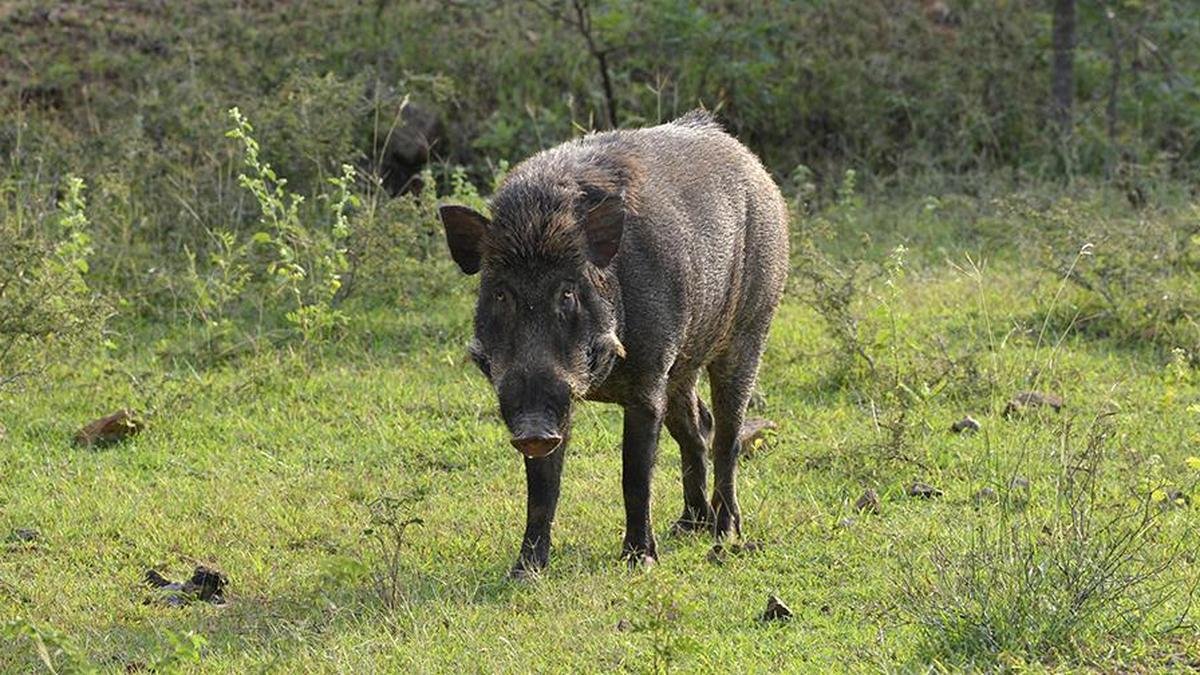
African Swine Fever (ASF) is a severe viral disease that affects domestic pigs and wild boars. It is caused by the African Swine Fever Virus (ASFV), a complex DNA virus capable of causing extremely high mortality in infected animals.
The disease does not infect humans and poses no food safety risk. However, its impact on pig health and livestock production makes it one of the most feared diseases in the global swine industry.
Why the Indigenous Vaccine Is a Landmark Achievement
Developing a vaccine against African Swine Fever has challenged scientists for decades because the virus has a highly complex structure and sophisticated mechanisms for evading the immune system.
The ICAR-NIHSAD research team successfully developed the vaccine using a novel attenuated ASFV Genotype II virus. An attenuated vaccine contains a weakened form of the virus that stimulates immunity without causing severe disease under controlled conditions.
This breakthrough demonstrates India’s growing capabilities in high-security veterinary research and vaccine innovation.
What Makes the New Vaccine Different?
The vaccine has been designed specifically against ASFV Genotype II, the strain responsible for outbreaks in several parts of Asia, including India.
By targeting the circulating genotype, researchers aim to provide stronger and more relevant protection for India’s pig population.
| Feature | Details |
|---|---|
| Developing Institution | ICAR-National Institute of High Security Animal Diseases (NIHSAD), Bhopal |
| Disease Target | African Swine Fever (ASF) |
| Virus Type | ASFV Genotype II |
| Vaccine Platform | Novel attenuated virus |
| Primary Objective | Prevent African Swine Fever outbreaks in pigs |
Understanding African Swine Fever
ASF spreads rapidly among pigs through direct contact with infected animals, contaminated feed, equipment, vehicles, clothing, and animal products. Certain tick species can also play a role in transmission in some regions.
The disease is characterized by:
- High fever
- Loss of appetite
- Weakness
- Skin discoloration
- Internal bleeding
- Difficulty breathing
- Sudden death in severe cases
Mortality rates can be extremely high, making early detection and prevention essential.
Why African Swine Fever Is a Serious Economic Threat
Although ASF affects only pigs, its economic consequences extend far beyond livestock health.
Large outbreaks can result in:
- Mass culling of pigs
- Loss of farmer income
- Disruption of pork supply chains
- Increased meat prices
- Restrictions on animal movement
- Trade losses
- Reduced consumer confidence
For small and marginal pig farmers, a single outbreak can wipe out years of investment.
Importance for India’s Pig Farming Sector
Pig farming plays an important role in the rural economy, particularly in northeastern states and several tribal regions where it provides livelihood, nutrition, and income generation.
Repeated outbreaks of African Swine Fever have caused significant losses in recent years, affecting both commercial farms and backyard pig-rearing systems.
An indigenous vaccine could help protect millions of animals while improving long-term stability for the livestock sector.
Why Developing an ASF Vaccine Has Been So Difficult
Unlike many viruses, ASFV possesses a large and complex genetic structure with numerous proteins that interact with the host immune system.
Scientists have faced several challenges, including:
- Complex viral genetics
- Multiple virus strains
- Limited understanding of protective immunity
- Difficulty producing safe live vaccines
- Need to balance effectiveness with safety
The successful development of an attenuated vaccine represents years of scientific research and extensive laboratory work.
How an Attenuated Vaccine Works
An attenuated vaccine uses a weakened version of the virus that can stimulate the immune system without causing severe disease.
Once vaccinated, the pig’s immune system learns to recognize the virus and develops protective immune responses that help defend against future infection.
This approach has been used successfully for several viral diseases in both humans and animals, although each vaccine requires extensive safety and efficacy evaluation.
Potential Benefits of the Indigenous Vaccine
- Improved disease prevention
- Reduced mortality among pigs
- Lower dependence on imported technologies
- Protection for small-scale farmers
- Reduced need for mass culling
- Improved food security
- Strengthened livestock health infrastructure
- Enhanced outbreak preparedness
Role of Biosecurity Will Continue to Be Critical
Even with an effective vaccine, biosecurity measures remain essential for controlling African Swine Fever.
Farmers should continue to:
- Restrict unauthorized farm access
- Disinfect equipment regularly
- Prevent contact between domestic pigs and wild boars
- Maintain hygienic feeding practices
- Report unusual illness immediately
- Isolate newly introduced animals before mixing them with existing herds
Vaccination works best when combined with strong disease surveillance and farm management practices.
How the Vaccine Could Strengthen India’s Animal Health System
The development of an indigenous ASF vaccine demonstrates India’s expanding scientific capacity in veterinary biotechnology and high-containment infectious disease research.
Domestic vaccine development also improves national preparedness by reducing dependence on external technologies and enabling faster responses during disease outbreaks.
What Happens Before the Vaccine Reaches Farmers?
Before widespread deployment, veterinary vaccines typically undergo multiple stages of evaluation, including:
- Safety assessment
- Efficacy studies
- Dose optimization
- Field validation
- Regulatory review
- Manufacturing scale-up
- Quality assurance testing
These steps ensure that vaccines provide reliable protection while maintaining high safety standards.
Impact on the Livestock Economy
If successfully introduced on a large scale, the indigenous vaccine could significantly reduce the financial burden associated with ASF outbreaks.
Potential long-term benefits include:
- Greater stability in pork production
- Improved farmer confidence
- Reduced compensation costs during outbreaks
- Better livestock productivity
- Strengthened rural livelihoods
Frequently Asked Questions
Can African Swine Fever infect humans?
No. African Swine Fever affects pigs and wild boars but does not infect humans or pose a food safety risk.
Why is the vaccine important?
There is currently no specific treatment for African Swine Fever. Vaccination could become one of the most effective tools for preventing outbreaks.
What is ASFV Genotype II?
It is the viral strain responsible for many recent outbreaks of African Swine Fever in Asia, including India.
Will vaccination eliminate the need for biosecurity?
No. Good farm hygiene, surveillance, movement control, and early reporting will continue to be essential even after vaccination.
Key Takeaways
- ICAR-NIHSAD has developed India’s first indigenous vaccine against African Swine Fever.
- The vaccine uses a novel attenuated ASFV Genotype II virus.
- African Swine Fever causes severe disease in pigs but does not infect humans.
- The vaccine has the potential to reduce major economic losses in India’s pig farming sector.
- Strong biosecurity measures will remain an important part of disease prevention.
- The breakthrough highlights India’s growing expertise in veterinary vaccine research and animal disease control.
Conclusion
The development of an indigenous African Swine Fever vaccine by ICAR-NIHSAD marks a significant scientific achievement for India’s livestock sector. As African Swine Fever continues to threaten pig populations worldwide, the availability of a domestically developed vaccine could transform disease control strategies, protect farmer livelihoods, and strengthen national food security.
While further evaluation, regulatory approvals, and large-scale deployment will determine its practical impact, the breakthrough represents an important step toward reducing the devastating effects of ASF outbreaks. Combined with robust surveillance, biosecurity, and veterinary support, this innovation has the potential to reshape India’s response to one of the most challenging animal diseases affecting the global swine industry.
For breaking news and live news updates, like us on Facebook or follow us on Twitter and Instagram. Read more on Latest Health on thefoxdaily.com.

COMMENTS 0