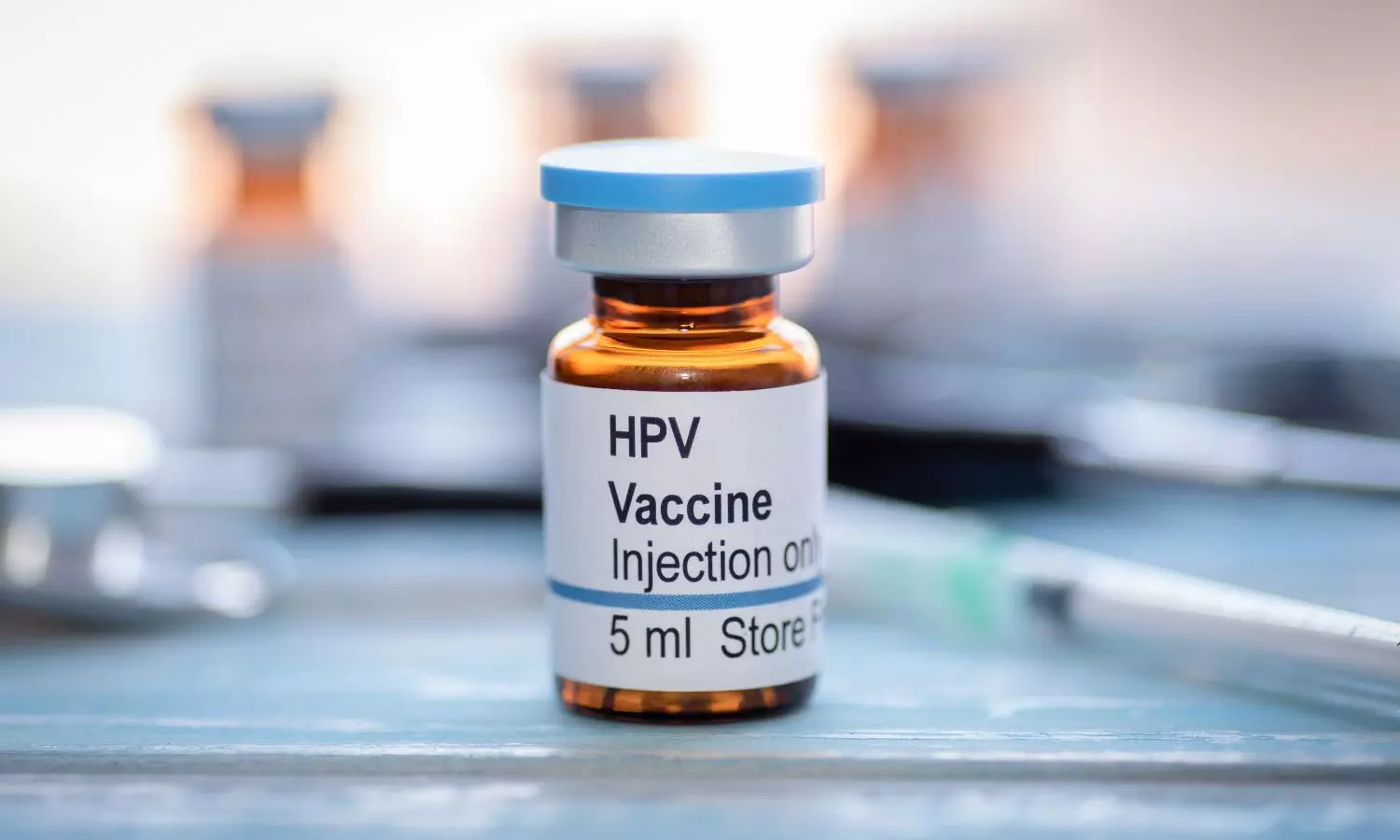
India has administered more than 80 lakh human papillomavirus (HPV) vaccine doses under its nationwide vaccination campaign, marking a significant milestone in the country’s efforts to strengthen cervical cancer prevention. The achievement comes months after India launched its national HPV vaccination campaign for 14-year-old girls, making HPV immunisation a major component of the country’s preventive healthcare strategy.
The campaign is designed to protect girls against high-risk HPV infections before potential exposure to the virus. Persistent infection with certain high-risk HPV types, particularly HPV-16 and HPV-18, is the primary cause of cervical cancer.
The Union government launched the nationwide HPV vaccination campaign on February 28, 2026, from Ajmer, Rajasthan. Under the programme, eligible 14-year-old girls can receive a free, voluntary single dose of the HPV vaccine at designated government health facilities after parental or guardian consent.
India’s HPV Vaccination Drive Crosses 80 Lakh Mark
The latest milestone of more than 80 lakh HPV vaccinations reflects the scale at which the national programme is being implemented across India.
The campaign targets girls who have completed 14 years of age but have not yet turned 15. Government estimates indicate that approximately 1.2 crore girls enter this age group annually, creating a substantial opportunity for population-level protection against HPV-related disease.
The programme is being implemented through government healthcare facilities, including Ayushman Arogya Mandirs, primary health centres, community health centres, sub-district hospitals, district hospitals and government medical colleges and hospitals.
According to the Union Health Ministry’s campaign framework, the vaccine is provided free of cost and vaccination is voluntary. Parents or guardians must provide consent before vaccination.
Why HPV Vaccination Is Important for Cervical Cancer Prevention
HPV is an extremely common viral infection and is primarily transmitted through intimate skin-to-skin contact. Most HPV infections do not cause symptoms and can clear naturally. However, persistent infection with certain high-risk HPV types can cause cellular changes that may eventually develop into cancer.
Cervical cancer is the most important cancer associated with persistent high-risk HPV infection. It can develop gradually, often through precancerous changes that can be detected through screening and treated before invasive cancer develops.
Vaccination adds another important layer of prevention by reducing the likelihood of infection with HPV types responsible for a substantial proportion of cervical cancer cases.
The Indian government’s national campaign uses a quadrivalent HPV vaccine covering HPV types 6, 11, 16 and 18. The programme follows a single-dose schedule for its target group.
Why the Vaccine Is Given at Age 14
One of the most important features of India’s campaign is its focus on adolescents rather than waiting until adulthood.
HPV vaccination works best as a preventive intervention when administered before exposure to the virus. Vaccinating adolescents therefore provides an opportunity to establish protection well before many individuals are likely to encounter HPV.
This does not mean HPV vaccination is intended to treat an existing HPV infection. HPV vaccines are preventive vaccines, not treatments for established HPV infection or cervical cancer.
The age-based approach also makes it possible for a public health programme to reach a defined population through schools, communities and government health facilities, although individual vaccination arrangements can vary by local implementation.
India’s National HPV Campaign Was Launched in February 2026
Prime Minister Narendra Modi launched the nationwide HPV vaccination campaign for 14-year-old girls from Ajmer on February 28, 2026. The launch involved participation from states and Union Territories and senior officials from the Union Health Ministry and healthcare institutions.
The government described the programme as a major step in India’s fight against cervical cancer and women’s health.
The campaign was designed around a three-month intensive vaccination phase, after which HPV vaccination would continue to be available during designated routine immunisation sessions.
The government has also established digital mechanisms to support registration, vaccination records, session planning and monitoring.
How the HPV Vaccination Programme Works
The national campaign has been structured around several operational safeguards:
- Target group: Girls aged 14 years who have completed 14 years but have not completed 15 years.
- Schedule: A single HPV vaccine dose under the national campaign.
- Cost: Vaccination is provided free of charge at designated government facilities.
- Consent: Parental or guardian consent is required.
- Administration: The vaccine is administered as an intramuscular injection.
- Registration: Eligible beneficiaries can use the U-WIN platform for registration and appointment scheduling where available.
- Walk-ins: Eligible girls can also access vaccination at designated government facilities according to local arrangements.
- Monitoring: Vaccination sessions are conducted under trained medical supervision.
The U-WIN platform is being used to support registration and vaccination records, while the country’s vaccine logistics infrastructure supports storage and distribution.
HPV Vaccination and Cervical Cancer: The Bigger Public Health Picture
The importance of the 80-lakh milestone becomes clearer when viewed against India’s cervical cancer burden.
According to the government’s February 2026 campaign information, cervical cancer remains a major public health concern in India, with more than 1.2 lakh new cases and nearly 80,000 deaths reported annually based on WHO GLOBOCAN 2022 estimates.
The disease is particularly important because it is both preventable and detectable at a precancerous stage.
HPV vaccination can reduce the risk of infection with vaccine-covered HPV types, while cervical screening can identify abnormal changes in the cervix before they progress to invasive cancer.
Vaccination and screening should therefore be viewed as complementary strategies rather than alternatives.
HPV Vaccine Does Not Replace Cervical Cancer Screening
A common misunderstanding is that receiving an HPV vaccine eliminates the need for future cervical cancer screening. That is not correct.
HPV vaccines protect against specific HPV types covered by the vaccine, but they do not eliminate every possible cause of cervical cancer. Vaccinated women will therefore still need to follow appropriate cervical cancer screening recommendations when they reach the relevant age.
Screening can detect persistent HPV infection or abnormal cervical cells, depending on the screening method used. Early detection can make treatment substantially more effective and can prevent precancerous lesions from progressing to invasive cancer.
This means India’s long-term cervical cancer strategy will require several components working together: HPV vaccination, screening, timely diagnosis, treatment and public awareness.
What Parents Should Know About HPV Vaccination
Parents may have questions when an adolescent is offered an HPV vaccine, particularly because HPV is associated with a sexually transmitted infection.
Health experts and public health organisations emphasise that HPV vaccination is primarily about cancer prevention. Vaccinating during adolescence is intended to provide protection before potential exposure to the virus.
Parents should obtain information from qualified healthcare professionals and government vaccination centres rather than relying on social media claims or misinformation.
The vaccine used under India’s national campaign is administered under established vaccination protocols, with trained medical personnel and systems for monitoring adverse events following immunisation.
When HPV Vaccination May Be Deferred
As with other vaccines, there are circumstances in which vaccination may need to be postponed or avoided.
The government’s campaign guidelines specify that vaccination may be deferred in girls with moderate or severe illness until recovery. A history of severe allergic reaction to a previous dose or known allergy to yeast may also require medical assessment.
Girls outside the defined target age group are not included in this particular campaign cohort.
Anyone with questions about eligibility, previous HPV vaccination or medical contraindications should speak with a healthcare professional before receiving the vaccine.
What If a Girl Has Already Received an HPV Vaccine?
The national programme also accounts for girls who may already have received an HPV vaccine through private healthcare or another vaccination programme.
The government’s campaign framework states that previous HPV vaccination with products such as Gardasil, Gardasil 9, Cervarix or Cervavac can be recorded on the U-WIN platform.
Parents should therefore inform vaccination staff about any previous HPV dose rather than assuming another dose is automatically required.
Why India’s 80-Lakh Milestone Matters
Crossing 80 lakh vaccinations is more than a numerical achievement. It demonstrates the reach that a large-scale adolescent vaccination programme can potentially achieve when vaccine supply, healthcare infrastructure, digital registration and community participation operate together.
However, the ultimate success of the programme should not be measured only by the number of doses administered.
Long-term impact will depend on whether eligible girls across different states and communities are reached equitably, whether vaccination records remain accurate, whether public confidence is maintained and whether vaccinated populations continue to receive appropriate cervical cancer screening later in life.
Public health programmes also need to address disparities in healthcare access. Rural populations, economically disadvantaged families and communities with limited access to reliable health information may require additional outreach to ensure that the benefits of HPV vaccination are not concentrated in better-connected urban areas.
HPV Vaccination Is Part of a Larger Cancer Prevention Strategy
Cancer prevention increasingly relies on interventions that begin long before symptoms appear. HPV vaccination is an example of this preventive approach.
Instead of waiting for cervical cancer to develop, vaccination aims to reduce the risk of infection that can initiate the disease process. Screening then provides a second line of defence by identifying potentially dangerous changes early.
This approach can be especially valuable for India, where the size of the population means that even relatively modest improvements in prevention and early detection can translate into substantial numbers of lives saved.
What Comes Next for India’s HPV Programme?
The 80-lakh milestone is an important point in India’s national HPV vaccination campaign, but the broader challenge is sustaining coverage.
The government will need to continue ensuring vaccine availability, maintaining cold-chain systems, training healthcare workers, tracking doses and addressing questions from parents and adolescents.
Awareness will also remain crucial. Vaccine hesitancy, misconceptions about HPV and limited awareness of cervical cancer can prevent families from seeking vaccination even when the service is available free of cost.
Schools, healthcare workers, parents, community organisations and public health authorities can all contribute to improving understanding of HPV vaccination and cervical cancer prevention.
Key Takeaway
India crossing 80 lakh HPV vaccinations under its nationwide campaign represents a major milestone in the country’s efforts to prevent HPV-related cancers, particularly cervical cancer. The programme focuses on 14-year-old girls and provides a free, voluntary single-dose HPV vaccine at designated government health facilities following parental or guardian consent.
But vaccination is only one part of the fight against cervical cancer. Long-term progress will depend on maintaining high vaccination coverage, expanding awareness, ensuring equitable access and strengthening cervical cancer screening and treatment services.
For families with eligible adolescent girls, the milestone is also a reminder that HPV vaccination is a preventive health intervention designed to provide protection before HPV exposure. Parents should consult qualified healthcare professionals or designated government vaccination centres for individual eligibility and vaccination advice.
SEO Keywords
Primary keyword: India HPV vaccination campaign 80 lakh
Secondary keywords: HPV vaccination India, HPV vaccine for girls, cervical cancer prevention India, HPV vaccination drive 2026, 80 lakh HPV vaccinations, HPV vaccine age 14, free HPV vaccine India, cervical cancer vaccine, HPV vaccine benefits, HPV vaccination campaign India, HPV vaccine single dose, U-WIN HPV vaccination
For breaking news and live news updates, like us on Facebook or follow us on Twitter and Instagram. Read more on Latest Health on thefoxdaily.com.



COMMENTS 0