A nationwide cohort study involving 18,635 adults with psoriasis found that systemic treatments have differing infection-risk profiles. Tuberculosis and meningitis were rare during follow-up, while candidiasis was more frequent among patients receiving interleukin-17 (IL-17) inhibitors. The findings highlight the importance of considering treatment-specific risks when managing psoriasis over the long term.
Published in the British Journal of Dermatology in September 2026, the study analysed real-world data from 40,930 treatment episodes, representing 118,018 person-years of follow-up between 2007 and 2024. Researchers assessed the occurrence of tuberculosis, meningitis, candidiasis and other fungal infections among adults receiving systemic psoriasis therapies.
The findings offer comparative safety information that may help clinicians and patients understand potential infection risks associated with different treatment classes. The researchers also emphasised the need for longer follow-up, particularly for newer therapies.
Study Examines Infection Risks Across Psoriasis Treatments
Psoriasis is a chronic, immune-mediated inflammatory condition that can require systemic treatment when symptoms are moderate to severe or when other therapies are insufficient. Systemic medicines can act on immune pathways involved in the disease, making it important to monitor potential adverse effects, including infections.
To examine these risks in routine clinical practice, researchers used data from the British Association of Dermatologists Biologics and Immunomodulators Register (BADBIR), a nationwide register that follows people receiving systemic treatments for psoriasis in the United Kingdom.
Adults were followed from the start of treatment until treatment discontinuation, death or the last available follow-up. The analysis compared infection outcomes across treatment groups using adjusted statistical models.
Key Findings: Tuberculosis, Meningitis and Fungal Infections
Across the study’s 118,018 person-years of follow-up, researchers recorded:
- 22 tuberculosis cases
- 29 meningitis cases
- 888 fungal infections, including 450 cases of candidiasis
The overall incidence rates per 1,000 person-years were 0.19 for tuberculosis, 0.25 for meningitis and 7.53 for fungal infections.
These findings indicate that tuberculosis and meningitis were uncommon in the cohort, while fungal infections occurred more frequently. The study also found that infection risks differed across systemic treatment groups, rather than following one uniform pattern.
IL-17 Inhibitors Associated With Higher Candidiasis Risk
One of the study’s notable findings was the increased risk of candidiasis among patients receiving IL-17 inhibitors compared with other systemic treatment groups.
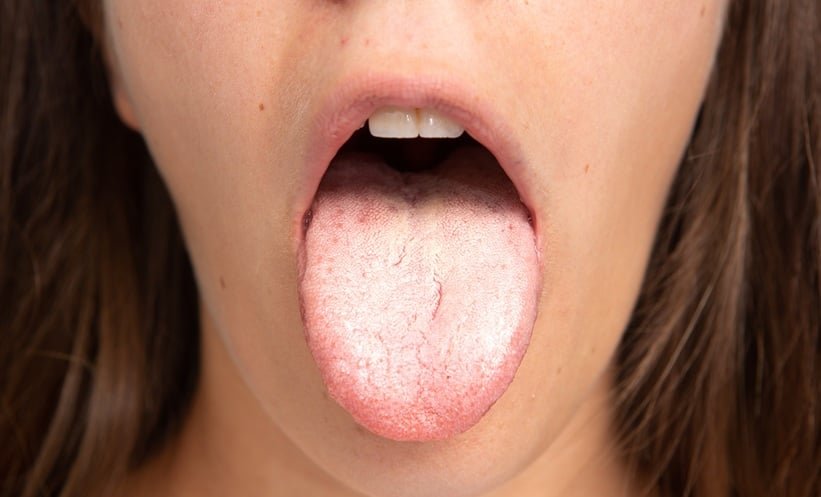
Candidiasis is a fungal infection caused by Candida yeasts. Depending on the site affected, it can involve the mouth, skin or genital area. IL-17 plays a role in the body’s defence against certain fungal infections, helping explain why treatments that block this pathway may be associated with a higher likelihood of candidiasis.
In the study, IL-17 inhibitors showed increased candidiasis risk compared with all other systemic treatment groups. The reported incidence rate ratios ranged from 2.67 compared with apremilast to 4.65 compared with an IL-12/23 inhibitor.
The researchers did not find statistically significant differences in candidiasis risk between individual IL-17 inhibitors. They also reported no statistically significant differences between treatment groups for fungal infections other than candidiasis.
These results do not mean that every patient receiving an IL-17 inhibitor will develop candidiasis. They indicate a difference in relative risk at the group level and can help inform clinical monitoring and discussions about treatment.
For breaking news and live news updates, like us on Facebook or follow us on Twitter and Instagram. Read more on Latest Health on thefoxdaily.com.

COMMENTS 0