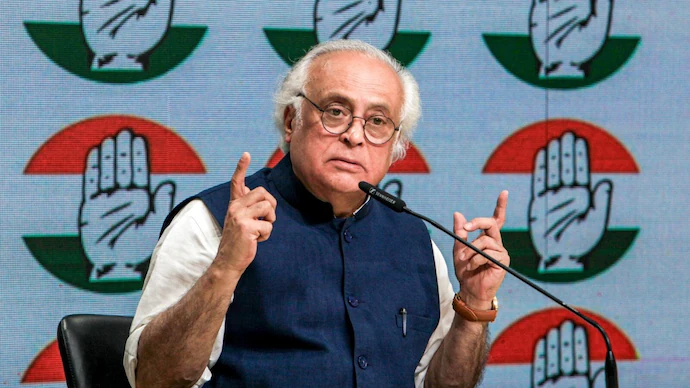
The Congress has criticised Prime Minister Narendra Modi over rising food prices ahead of Diwali, arguing that higher household expenses are putting pressure on family budgets during the festive season. The opposition party has urged the prime minister to address the public’s concerns about Inflation instead of focusing on his monthly radio programme, Mann Ki Baat.
Congress general secretary in charge of communications Jairam Ramesh raised the issue on Monday, citing reports on increasing food prices and the rising cost of festive essentials. According to news agency PTI, Ramesh highlighted increases in the prices of onions, sugar, tomatoes, pulses and dry fruits, questioning how families could manage household expenses while preparing for Diwali.
The political exchange comes as households typically face additional spending on groceries, sweets, gifts and other festival-related purchases. The Congress has argued that rising prices are making these expenses more difficult to manage, while the government has pointed to India’s gross domestic product (GDP) figures in response to criticism of its economic policies.
Congress Says Rising Food Prices Are Straining Diwali Budgets
Ramesh shared a media report on X that referred to information from the Reserve Bank of India (RBI) about continuing increases in the prices of certain food items. He also shared a separate report claiming that dry fruits and other ingredients used during Diwali had become more expensive.
According to the report cited by Ramesh, the prices of pistachios, almonds, cashews and cardamom had risen by between ₹10 and ₹300 per kilogram ahead of the festival. These items are commonly purchased for festive meals, sweets, gifting and household celebrations, making price changes particularly noticeable during periods of increased demand.
In a post written in Hindi, Ramesh questioned whether ordinary families should prioritise celebrating the festival or focus on keeping their household budgets under control as prices rise.
His remarks placed food inflation at the centre of the Congress’s criticism of the government, with the party arguing that the cost of everyday essentials matters directly to families even when broader economic indicators show growth.
Jairam Ramesh Cites Price Increases in Onions, Sugar and Pulses
Ramesh cited several price increases to support his criticism of the government’s handling of inflation. According to figures he quoted in his statement, onion prices had increased by 85% over four months, while sugar prices had risen by 34% over the same period.
He also referred to increases recorded over the preceding month in tomatoes and pulses. The figures cited by the Congress leader indicated that tomato prices had risen by 8.5%, arhar dal by 3.5% and chana dal by 3.1%.
These figures were presented by Ramesh as evidence of the pressure facing household budgets. The supplied report does not independently establish the underlying measurement periods, geographical coverage or price series for each item, so the percentages should be understood as figures cited by the Congress leader rather than as independently verified nationwide price changes.
Food prices can vary substantially depending on location, season, supply conditions and the type or quality of a product. Changes in wholesale prices may also differ from those experienced by consumers at retail shops. For households, however, increases in commonly purchased ingredients can make a noticeable difference to weekly grocery spending.
Almonds at ₹1,300 per Kilogram, Cardamom Prices Also in Focus
Ramesh also highlighted the reported cost of dry fruits and spices ahead of Diwali. He said almonds had reached ₹1,300 per kilogram, while green cardamom had become ₹300 more expensive, according to the figures cited in his statement.
Dry fruits and spices are widely used in Indian festive cooking and gifting, but they can represent a significant expense for families purchasing them in larger quantities. Higher prices can lead consumers to reduce the quantities they buy, switch to less expensive alternatives or adjust other parts of their festival budgets.
The report also referred to increases in the prices of pistachios and cashews. However, it did not provide a complete set of starting prices, final prices and market locations for all the products mentioned. The exact impact on individual consumers may therefore differ from one market to another.
With Diwali spending extending beyond food to include clothing, decorations, gifts and travel, increases in grocery bills can add to other seasonal expenses. The Congress has used these pressures to argue that the government should give greater attention to the cost of living.
Congress Questions PM Modi’s Focus on Mann Ki Baat
Alongside its criticism of food inflation, the Congress questioned the prime minister’s public messaging. Ramesh argued that Modi frequently highlighted GDP figures but was not giving sufficient attention to the financial difficulties experienced by ordinary households.
“Prime Minister, set aside your Mann Ki Baat, and focus instead on the concerns of the public,” Ramesh said, according to PTI.
The remark referred to Mann Ki Baat, Modi’s monthly radio programme, which he uses to address listeners on a range of national issues and public initiatives. By invoking the programme, the Congress leader sought to contrast the prime minister’s public communication with the opposition’s emphasis on household costs.
Ramesh also argued that inflation-adjusted incomes had either stagnated or declined over the previous decade. This was a political claim made as part of his broader criticism; the supplied report does not include supporting income data or specify the measure used to assess real earnings.
The debate reflects a broader disagreement over how India’s economic performance should be assessed. GDP growth measures the expansion of economic output, while inflation tracks changes in prices. Household purchasing power also depends on income growth, employment, spending patterns and the prices of goods and services people regularly buy.
Congress Repeats Its Criticism of the Government’s Economic Policies
The Congress has repeatedly raised the issue of rising prices and accused the government of pursuing what it describes as anti-people policies. The latest criticism focuses on the timing of food-price increases, with the party arguing that inflation is particularly burdensome for families preparing for a major festival.
The government has dismissed the opposition’s criticism and pointed to GDP figures as evidence of economic performance, according to the supplied report. The two sides have therefore emphasised different aspects of the economy: the Congress has focused on the cost of essential goods and household finances, while the government has highlighted broader growth indicators.
Neither GDP growth nor a single set of food-price figures provides a complete picture of every household’s economic circumstances. Assessing the impact of inflation requires examining the prices consumers pay, how those prices change over time and whether incomes are rising at a comparable pace.
For families, the immediate question is often more practical: how much money is left after buying groceries and meeting other essential expenses? This concern becomes especially visible during festivals, when households may face additional costs but have limited flexibility to increase their spending.
Why Food Inflation Matters During the Festive Season
Diwali can bring a temporary increase in household spending as families purchase ingredients, prepare sweets, exchange gifts and organise celebrations. When essential food items become more expensive, consumers may need to adjust these purchases or cut back on other expenses.
The impact is not uniform across households. Families with different income levels, dietary habits and spending priorities experience price changes differently. An increase in the cost of a frequently purchased staple may affect a household more directly than a rise in the price of an occasional luxury item.
Price movements can also have different causes, including seasonal demand, changes in supply, transportation costs and disruptions affecting agricultural production. The supplied report does not establish which factors were responsible for the specific increases cited by Ramesh.
For that reason, determining whether the reported price rises represent a broader and sustained inflation trend requires checking comparable official data over the relevant periods. The political statements highlight the issue, but the underlying price series are needed to establish its full scale.
What the Latest Inflation Debate Means for Consumers
The Congress’s latest remarks have brought the cost of food and festive essentials into the political debate ahead of Diwali. Ramesh cited increases in onions, sugar, tomatoes, pulses, almonds and cardamom to argue that families are facing difficult spending decisions.
The government and opposition continue to differ over how economic performance should be presented and evaluated. While the government has pointed to GDP growth, the Congress has argued that economic progress should also be judged by the effect of prices on household budgets and real incomes.
The reported price figures cited by the Congress leader have not been independently verified in the supplied material. Consumers seeking an accurate picture of local prices should compare current retail rates with earlier prices in their own markets, while broader inflation trends should be assessed using official data covering consistent periods.
As Diwali approaches, the central issue raised by the political dispute is the affordability of everyday essentials during a period of increased spending. Whether the cited price changes reflect a wider trend will depend on the underlying data, but the exchange highlights the continuing importance of food costs in discussions about household finances and economic policy.
For breaking news and live news updates, like us on Facebook or follow us on Twitter and Instagram. Read more on Latest India on thefoxdaily.com.






COMMENTS 0