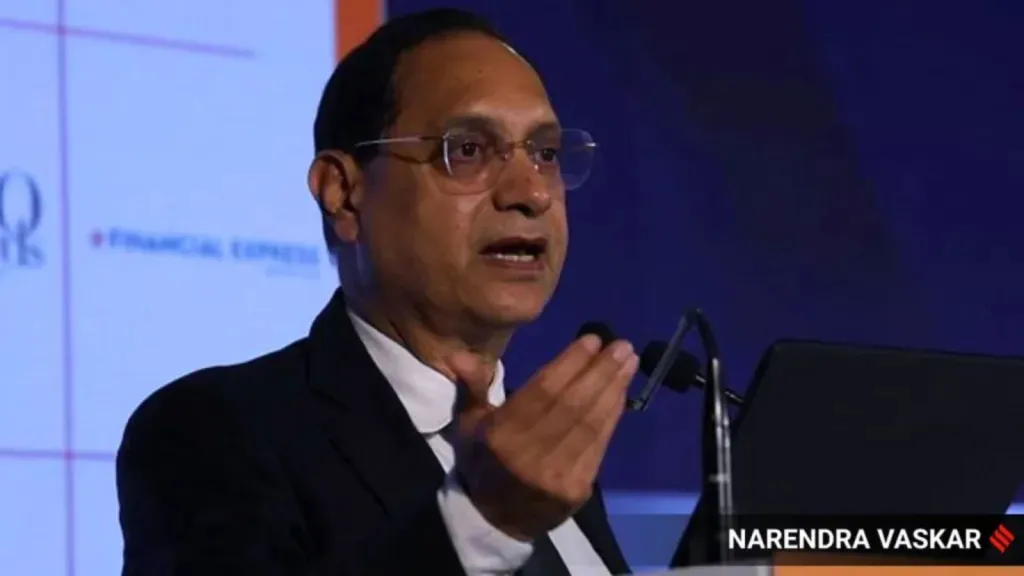
The revival of the century-old Calcutta Stock Exchange (CSE) will depend on its ability to demonstrate financial viability, establish modern trading infrastructure and comply with regulatory requirements, Securities and Exchange Board of India (SEBI) Chairman Tuhin Kanta Pandey said in Kolkata on Saturday.
Speaking at a press conference, Pandey made it clear that the exchange cannot resume trading simply on the basis of its long history or a proposal to restart operations. It must first meet a series of financial, technological and regulatory conditions prescribed by SEBI.
His remarks came in response to a question about the BJP government’s proposal to revive the exchange in West Bengal. The SEBI chief outlined the requirements that the CSE would need to fulfil before its proposal could be considered, including a minimum net worth of Rs 100 crore, an average annual turnover of Rs 1,000 crore and substantial investment in technology and market infrastructure.
What Are SEBI’s Three Conditions for CSE Revival?
SEBI has set three broad requirements for the Calcutta Stock Exchange to resume its operations. These cover financial strength, technological readiness and regulatory compliance. The conditions are intended to ensure that the exchange can operate sustainably and maintain the safeguards required for an organised securities market.
1. Financial Strength and Sustainable Trading Volumes
The first requirement is that the CSE must demonstrate sufficient financial capacity to operate as a stock exchange. According to Pandey, it must have a minimum net worth of Rs 100 crore and achieve an average annual turnover of Rs 1,000 crore.
These requirements are significant because the exchange’s trading activity declined sharply before its operations were suspended. Pandey said the CSE’s annual turnover had fallen to approximately Rs 90 crore during 2013–14, highlighting the gap between its previous trading activity and the turnover now required.
The exchange will therefore need to show that it can attract enough trading activity to support its operations. Meeting the minimum net-worth requirement alone would not establish that the business is sustainable. It must also demonstrate the potential to generate sufficient trading volumes and maintain a viable operating model.
A stock exchange requires regular participation from investors, brokers and other market intermediaries. Without adequate trading activity, maintaining the technology, surveillance systems, regulatory arrangements and other infrastructure needed for a functioning exchange can become financially difficult.
SEBI’s turnover requirement makes the commercial viability of the proposed revival a central consideration. The CSE will have to establish how it intends to attract market participants and compete in an environment where investors and brokers already have access to established trading platforms.
2. Modern Technology and Trading Infrastructure
The second condition concerns the technology and operational infrastructure required to run a modern stock exchange. Pandey said the CSE would have to submit a detailed business plan and establish the systems needed for the orderly execution of trades.
These systems would include an online, screen-based trading platform, online market surveillance capabilities, cybersecurity controls and a cyber-resilient framework. The exchange would also need to establish a nationwide network of trading members and provide adequate facilities to admit and regulate them.
An online, screen-based trading system is essential for the electronic execution of orders. It allows market participants to place and execute trades through a digital platform rather than relying on traditional trading arrangements. Such infrastructure must be reliable, secure and capable of supporting market activity without disrupting the trading process.
Surveillance systems are equally important. They help exchanges monitor trading activity, identify unusual patterns and detect potential violations of market rules. Effective surveillance is necessary to maintain orderly trading and protect investors from unfair practices.
Cybersecurity is another major requirement. Stock exchanges handle sensitive financial and trading information and depend on digital systems for their core operations. Weak security controls or prolonged technical disruptions could affect market participants and undermine confidence in the exchange.
SEBI’s requirement for a cyber-resilient framework means the CSE would need to demonstrate that its systems can withstand cyber threats and respond effectively to technical incidents. It would also need appropriate arrangements to maintain operations and recover from disruptions.
The proposed nationwide network of trading members is another important part of the infrastructure requirement. An exchange needs a functioning network of intermediaries to connect investors with the trading platform. The CSE would have to demonstrate that it can admit, supervise and regulate these members under the applicable rules.
3. Regulatory Compliance and Settlement Arrangements
The third condition involves meeting regulatory obligations and putting the necessary settlement arrangements in place before trading can resume.
Pandey said the CSE must clear all outstanding dues payable to brokers and other stakeholders. It must also establish a separate clearing corporation or enter into an arrangement with an existing clearing corporation to handle the settlement of trades.
Clearing and settlement are essential parts of the stock market process. After a trade is executed, the relevant systems ensure that securities and funds are transferred between the parties involved. A reliable settlement mechanism helps reduce operational risks and provides confidence that completed transactions will be fulfilled.
Without an appropriate clearing arrangement, an exchange cannot provide the necessary framework for the settlement of transactions. SEBI has therefore made this a key requirement for any attempt to restart trading at the CSE.
Clearing outstanding dues is also important for addressing the exchange’s existing obligations. Before seeking permission to resume operations, the CSE must demonstrate that it has dealt with its liabilities to brokers and other stakeholders in accordance with the applicable requirements.
Together, these conditions indicate that SEBI’s approach is not limited to approving a new trading platform. The exchange must demonstrate that its financial position, operational systems and regulatory arrangements are capable of supporting a properly functioning securities market.
Why Has Trading at the Calcutta Stock Exchange Remained Suspended?
The Calcutta Stock Exchange has a long history in India’s financial markets, but its trading operations have remained suspended since 2013–14. Pandey referred to the exchange’s declining turnover during that period, which had fallen to around Rs 90 crore annually.
The decline in activity is an important part of the challenge facing any revival proposal. An exchange needs sufficient trading volumes to maintain its business operations and justify the investment required for technology, compliance, surveillance and settlement infrastructure.
The CSE’s historical importance does not automatically translate into commercial viability in the present market environment. A revival would require a clear plan for attracting trading members and investors while meeting the standards expected of a modern stock exchange.
Pandey also noted that most other regional stock exchanges have already wound down their operations. His observation highlights the broader changes in India’s securities market, where regional exchanges have faced difficulties maintaining independent trading operations.
SEBI Says CSE’s Historical Legacy Is Not Enough
While acknowledging the exchange’s history, Pandey stressed that any attempt to restart operations must be based on compliance with current regulations.
He said the history of the Calcutta Stock Exchange goes back several decades, but added that most other regional stock exchanges have already closed their operations. If the CSE wants to revive trading, it must satisfy the prescribed regulatory conditions.
The statement makes clear that SEBI will assess the proposal on practical grounds rather than historical significance alone. The exchange must show that it has the financial resources, technology and institutional arrangements required to operate safely and sustainably.
This approach also reflects the importance of maintaining consistent standards across India’s securities market. Investors and market intermediaries depend on exchanges to provide transparent trading, reliable settlement and effective supervision. Any exchange seeking to operate again must demonstrate that it can meet those expectations.
What Happens Next to the CSE Revival Proposal?
The immediate next step will depend on whether the Calcutta Stock Exchange formally communicates its intention to resume operations and submits the necessary information to SEBI.
Pandey said that if the regulator receives further communication from the exchange indicating its intention to continue operations, the proposal will have to be examined against the prescribed requirements.
His remarks suggest that the revival process remains conditional. The exchange would need to present a credible business plan, demonstrate that it meets the financial thresholds, establish the required technology and surveillance systems, settle outstanding dues and arrange for the clearing and settlement of trades.
SEBI would then need to examine the proposal in light of the applicable regulatory framework. The regulator’s statement does not amount to approval for the resumption of trading, nor does it indicate that a reopening date has been decided.
Can the Calcutta Stock Exchange Compete in India’s Modern Market?
Even if the CSE meets SEBI’s requirements, attracting sufficient trading volumes will remain a major challenge. The exchange would need to establish a convincing business model and give brokers and other market participants a reason to use its platform.
That would require more than restoring its earlier operations. The CSE would need to demonstrate that its trading infrastructure is dependable, its settlement arrangements are effective and its regulatory systems can support market activity.
The proposed revival also raises questions about how the exchange intends to build a nationwide network of trading members and generate the annual turnover required by SEBI. These elements will be central to determining whether the proposal can move beyond an announcement and become a functioning business operation.
For now, SEBI has made its position clear: the Calcutta Stock Exchange must satisfy the financial, technological and regulatory conditions before it can resume trading. Its historical legacy may provide a reason to consider revival, but its ability to meet modern market standards will determine whether that revival is possible.
For breaking news and live news updates, like us on Facebook or follow us on Twitter and Instagram. Read more on Latest India on thefoxdaily.com.






COMMENTS 0