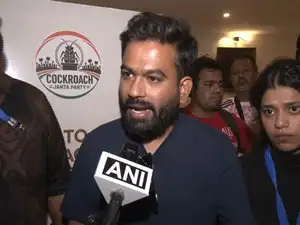
A fresh controversy over tribal land rights in Goa has emerged after Citizens for Justice and Peace (CJP) activist Abhijeet Dipke accused the state administration of facilitating the transfer or seizure of land belonging to tribal communities for private interests. Dipke has raised concerns about alleged violations of tribal land rights and demanded police protection for activist Gaurish Gadi, who reportedly suffered serious injuries in an attack allegedly linked to a Land Dispute.
The allegations have brought attention to concerns over land ownership, the protection of tribal communities and the safety of people challenging disputed land transactions in the state. CJP Goa has also announced plans to prepare a Citizens’ Manifesto focusing on land rights and alleged violations affecting tribal communities.
Dipke’s remarks reflect the organisation’s position on the dispute. The allegations of government involvement in a land grab and the circumstances surrounding the attack on Gadi require independent examination and a response from the authorities.
“Can Clearly See What Govt Is Trying to Do Here”: CJP’s Abhijeet Dipke Accuses Goa Administration of Tribal Land Grab
Cockroach Janta Party (CJP) founder Abhijeet Dipke has accused the Goa government of allowing private interests to take control of land traditionally associated with local and tribal communities, intensifying a dispute over a proposed township project in Karapur-Sarvan village. He has demanded immediate police protection for activist Gaurish Ghadi, who was seriously injured in an alleged assault during the protests against the development.
Dipke’s intervention has brought renewed attention to the concerns of villagers opposing the proposed project, including allegations of land transfers, threats to traditional livelihoods and inadequate protection for those challenging development plans. The CJP has pledged to expand its campaign beyond the affected village and make land rights a central issue in its wider political outreach across Goa.
The party has also announced plans to prepare a Citizens’ Manifesto based on public concerns, with the repeal of Section 39A of the Goa Town and Country Planning Act identified as its first major demand. Dipke has argued that decisions affecting land use should not come at the expense of local residents, village communities and the state’s environment.
Abhijeet Dipke Backs Villagers Opposing Karapur-Sarvan Township Project
The immediate dispute centres on Karapur-Sarvan in North Goa’s Bicholim area, where residents have been protesting against a proposed large-scale township development. Dipke visited the village and met residents who have been opposing the project, expressing support for their campaign to protect local land and livelihoods.
According to allegations raised by Dipke, more than 130 acres of land traditionally used by local tribal communities have been transferred to builders for the proposed development. He has also questioned whether the project has obtained the necessary environmental clearances and raised concerns about plans involving private artificial beaches.
These claims have become central to the opposition campaign, with villagers arguing that the proposed development could affect their relationship with the land and the natural surroundings on which their community depends. The allegations concerning land transfers, ownership and environmental permissions require examination through official land records, planning documents and regulatory approvals.
Dipke has accused politicians, builders and influential private interests of working together at the expense of local residents. He argued that the government should prioritise the needs of people living in the area rather than facilitate projects that, according to him, primarily benefit commercial developers.
The proposed township has therefore become a wider flashpoint over the balance between real estate development and the protection of village land, traditional livelihoods and Goa’s ecological character.
Gaurish Ghadi Injured in Alleged Attack, Dipke Demands Police Protection
The dispute escalated after a clash between two groups at Karapur-Sarvan on Thursday evening, November 19, during which several people were reportedly injured. Gaurish Ghadi, an activist and petitioner opposing the proposed project, sustained serious injuries and required hospital treatment.
Dipke visited Goa Medical College and Hospital at Bambolim to enquire about Ghadi’s condition before meeting protesters in the village. He alleged that Ghadi had been specifically targeted because of his opposition to the development project.
Reports citing Dipke said Ghadi suffered a fractured hand and injuries to his head, including wounds that required stitches. The activist was allegedly attacked with a sickle. Dipke claimed that seven to eight people were involved in the assault, although the number of arrests reported in connection with the incident was limited.
These details have been presented as allegations by Dipke and reports surrounding the protest. The circumstances of the clash, the identities and motives of those involved, and the responsibility of individual suspects must be established through investigation.
Demanding immediate police protection for Ghadi, Dipke warned that the authorities would be responsible if another attack took place. He said people opposing the project should be able to pursue their concerns without fear of violence or intimidation.
The demand has made the safety of activists and residents another important dimension of the land dispute. When disagreements over development projects turn violent, the ability of villagers to participate in public consultations, pursue legal challenges and express opposition can be affected.
Section 39A of Goa Town and Country Planning Act Becomes Central Issue
Alongside the demand to protect Karapur-Sarvan residents, the CJP has announced a campaign against Section 39A of the Goa Town and Country Planning Act. The party wants the provision repealed, arguing that it creates opportunities for land-use changes that could undermine the interests of local communities.
Section 39A, notified in 2024, provides a mechanism for changes to the zoning of land parcels and modifications to the Regional Plan and Outline Development Plans at the direction of the government. These planning documents influence how land can be used and what kinds of development may be permitted in particular areas.
Critics have argued that the provision could weaken the existing planning framework by allowing changes that may affect village settlements and ecologically sensitive areas. They have also raised concerns about the possibility of real estate interests influencing decisions on land-use changes.
Dipke has made the repeal of Section 39A the first demand of the CJP’s proposed Citizens’ Manifesto. The party’s position is that decisions about land and development should reflect the interests of residents rather than being driven primarily by builders or commercial groups.
The wider debate involves questions about how planning decisions are made, what safeguards exist for affected communities and whether residents have meaningful opportunities to challenge changes that could alter the character of their villages.
However, criticism of Section 39A and allegations of misuse should be distinguished from the legal powers actually provided by the provision. Determining whether a particular land-use change is lawful requires examining the relevant approvals, planning records and applicable environmental regulations.
CJP Plans Citizens’ Manifesto to Put Land Rights on Political Agenda
The CJP has said it will prepare a Citizens’ Manifesto with the participation of residents, activists and members of the public. Rather than limiting the document to the party’s own political priorities, Dipke has indicated that the organisation wants people to identify the issues they believe should be addressed by those seeking public office.
The proposed manifesto is expected to cover land rights, development decisions and alleged violations affecting local communities. The party has also raised concerns about employment opportunities, education infrastructure, public services and environmental protection.
Dipke has said that the CJP intends to take the campaign against Section 39A across Goa, using the Karapur-Sarvan dispute to highlight broader concerns about land ownership and development. The party wants its demands to become part of the political discussion ahead of the state’s next Assembly election.
The CJP’s approach is to ask political candidates to support the Citizens’ Manifesto and commit to its demands. The idea is to make local concerns part of the public agenda rather than allowing political parties to define priorities without direct input from residents.
Such a document could provide a platform for communities to raise issues that extend beyond individual land disputes. It could also bring together demands relating to housing, public infrastructure, environmental safeguards and the protection of traditional village spaces.
Dipke Questions Development Priorities and Benefits for Local Residents
Dipke has also questioned whether large development projects are addressing the everyday needs of people living in the affected areas. He argued that villagers should receive essential infrastructure and public services before major commercial developments are prioritised.
Concerns raised by the CJP include access to water and electricity, improvements to schools and healthcare facilities, and better opportunities for young people. Dipke has questioned why large-scale residential projects receive attention while residents continue to raise concerns about basic amenities.
He has also challenged the emphasis on luxury housing and artificial beaches, arguing that Goa’s development priorities should be shaped by the needs of its population. In his view, investment in colleges, universities, hospitals and employment opportunities would provide more direct benefits to local communities.
Employment and migration have also featured in the party’s criticism. Dipke has argued that young people should have greater opportunities to build careers and businesses within Goa rather than being compelled to move elsewhere in search of work.
Tourism is another part of the debate. Although the sector plays a major role in Goa’s economy, the CJP has questioned how much of its financial benefit reaches local young people and small businesses. The party wants residents to have greater opportunities to participate in tourism-related economic activity.
Why the Goa Land Dispute Has Wider Significance
The controversy in Karapur-Sarvan reflects a broader challenge facing Goa as development pressures intersect with questions of land ownership, environmental protection and the preservation of village communities.
Land is not simply a commercial asset for many traditional communities. It can also support livelihoods, agriculture, access to natural resources and longstanding social and cultural practices. Changes in ownership or land use can therefore have consequences that extend beyond the immediate value of a property.
Large development projects can bring investment, infrastructure and employment, but their impact depends on how they are planned and who benefits. If residents believe that decisions are being taken without adequate consultation or safeguards, opposition can grow even before construction begins.
The allegations surrounding Karapur-Sarvan raise questions about transparency in land transactions, the role of planning authorities and the protection available to communities challenging proposed developments. They also underline why environmental clearances and land-use permissions must be open to scrutiny.
For tribal and other traditional communities, the stakes can be particularly high when land has supported generations of residents. Any claim involving the transfer of such land needs careful examination of ownership records, applicable legal protections and the circumstances under which development approvals were granted.
Government Response and Investigation Remain Important
Dipke’s accusations have placed the Goa administration under scrutiny, but the claims of a government-backed land grab and alleged links between political interests and developers remain allegations. Establishing the facts will require scrutiny of the land records, project approvals, environmental permissions and the actions taken by the authorities.
The circumstances surrounding the assault on Ghadi also require a thorough investigation. Police action, the progress of any criminal case and the protection provided to the injured activist and other protesters will be important in determining whether residents can continue their opposition without facing threats.
The government has a responsibility to enforce the law, protect public safety and ensure that development decisions comply with planning and environmental requirements. At the same time, the concerns of residents should be addressed through transparent procedures rather than dismissed as an obstacle to development.
Karapur-Sarvan Protest Could Shape Goa’s Wider Land Rights Debate
By backing the Karapur-Sarvan protesters and demanding police protection for Ghadi, Abhijeet Dipke has sought to turn a local dispute into a wider campaign about land rights and public accountability in Goa.
The CJP’s planned Citizens’ Manifesto, with the repeal of Section 39A as its first demand, indicates that the party intends to keep the issue in the political spotlight. Its campaign also connects land protection with employment, education, healthcare, tourism and the preservation of Goa’s cultural identity.
Whether the proposed manifesto gains wider support will depend on how effectively the party engages with residents and translates their concerns into specific demands. The immediate priorities, however, remain the safety of those involved in the protest and a transparent examination of the allegations surrounding the proposed township.
The Karapur-Sarvan dispute is ultimately raising a fundamental question about development in Goa: how can the state attract investment and build infrastructure while protecting the land, livelihoods and rights of the communities that have lived there for generations? The answer will depend on transparent planning, enforceable safeguards and meaningful participation by the people directly affected.
For breaking news and live news updates, like us on Facebook or follow us on Twitter and Instagram. Read more on Latest India on thefoxdaily.com.






COMMENTS 0