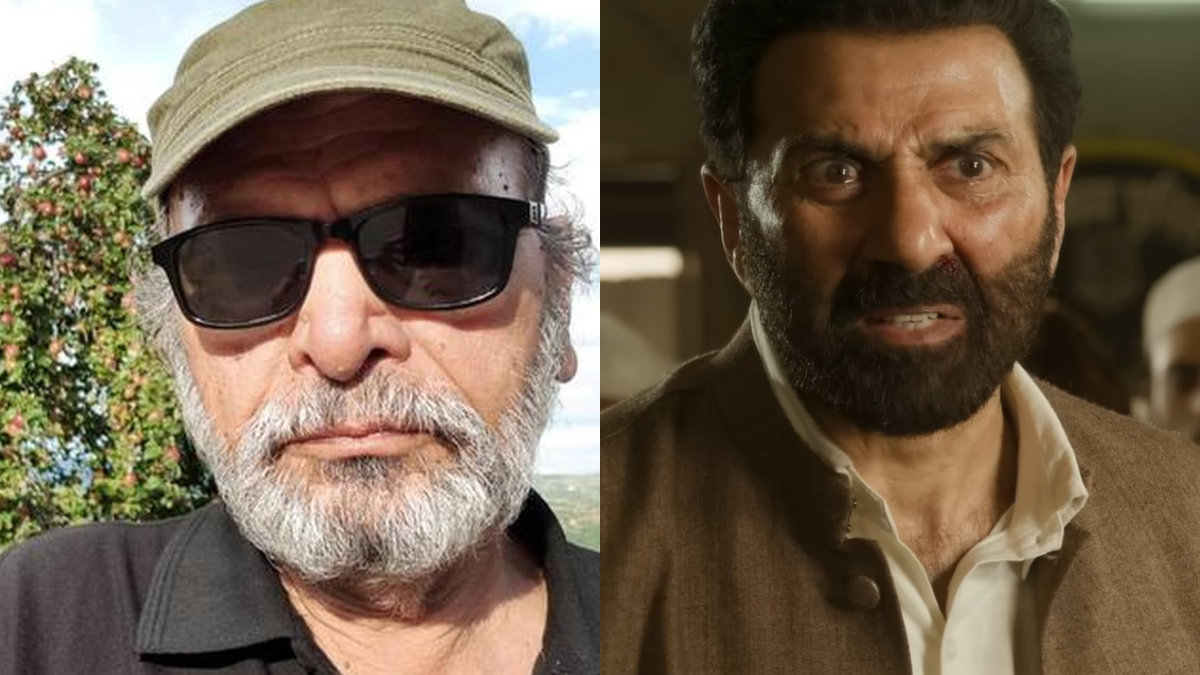
The Partition of India has inspired countless books, films, and theatrical productions, yet only a few have captured its emotional complexity with the same sensitivity as Asghar Wajahat’s celebrated play Jis Lahore Nai Vekhya, O Jamyai Nai. Now, as acclaimed filmmaker Rajkumar Santoshi brings the essence of this timeless work to the big screen with Batwara 1947, starring Sunny Deol, audiences are once again invited to revisit one of history’s most painful chapters—not through the lens of political conflict alone, but through stories of compassion, coexistence, and shared humanity.
Rather than presenting Partition merely as a tale of borders and violence, the film draws inspiration from Wajahat’s enduring belief that ordinary people often possess greater wisdom than political narratives suggest. His writing consistently argues that empathy, cultural memory, and human relationships survive even the deepest social divisions.
The Literary Legacy Behind ‘Batwara 1947’
At the heart of Batwara 1947 lies the philosophical foundation established by Asghar Wajahat’s iconic play. Originally written for the stage, Jis Lahore Nai Vekhya, O Jamyai Nai has long been regarded as one of modern India’s most significant dramatic works exploring the human consequences of Partition.
The story moves beyond statistics and political decisions to examine how displacement reshapes identity, belonging, memory, and home.
Its emotional power comes from ordinary characters who continue searching for dignity despite extraordinary historical circumstances.
A Story Beyond Political Borders
Unlike many Partition narratives that focus primarily on violence or national identities, Wajahat’s work emphasizes shared culture, language, food, traditions, and emotional bonds that existed long before borders were drawn.
His central message is simple yet profound: political divisions may separate territories, but they cannot easily erase centuries of shared civilization.
This humanistic perspective gives Batwara 1947 a distinctive emotional depth.
Who Is Asghar Wajahat?
Asghar Wajahat is widely recognized as one of India’s most respected playwrights, novelists, and public intellectuals. Throughout his literary career, he has explored themes such as communal harmony, migration, identity, secularism, and social justice.
His writing often challenges rigid ideological thinking by focusing instead on everyday human experiences that transcend religion, nationality, and politics.
| Aspect | Contribution to ‘Batwara 1947’ |
|---|---|
| Source Inspiration | Jis Lahore Nai Vekhya, O Jamyai Nai |
| Core Theme | Humanity above political divisions |
| Historical Setting | Partition of India in 1947 |
| Central Message | Compassion survives conflict |
| Literary Focus | Identity, coexistence, memory, and hope |
Why Partition Stories Continue to Matter
More than seven decades after 1947, the Partition remains one of the defining events in South Asian history. Millions experienced displacement, family separation, and unimaginable hardship.
Yet many contemporary storytellers increasingly seek to understand not only the violence but also the resilience displayed by ordinary people during that period.
Stories like Batwara 1947 encourage audiences to reflect on shared histories instead of inherited divisions.
Humanism at the Center of the Narrative
One of Wajahat’s defining literary strengths is his unwavering commitment to humanism.
Instead of reducing characters to religious or political identities, he presents individuals driven by universal emotions:
- Love
- Compassion
- Fear
- Loss
- Hope
- Belonging
- Memory
This approach reminds readers and viewers that historical tragedies ultimately affect individual lives, families, and communities rather than abstract political entities.
From Stage to Cinema
Adapting an acclaimed stage play into a feature film presents unique creative opportunities.
While theatre relies heavily on dialogue, performance, and imagination, cinema allows filmmakers to expand visual storytelling through landscapes, historical settings, cinematography, music, and larger ensemble performances.
Rajkumar Santoshi’s adaptation offers an opportunity to introduce Wajahat’s ideas to audiences who may never have experienced the original play.
The Role of Sunny Deol
Sunny Deol has frequently portrayed characters navigating patriotism, justice, and personal conviction throughout his career.
In Batwara 1947, audiences are expected to see a character shaped not only by historical events but also by moral dilemmas, emotional conflict, and questions surrounding identity and coexistence.
Such roles require balancing intensity with emotional restraint—qualities essential to stories rooted in Partition.
The Quiet Power of Resistance
Wajahat’s writing is often described as an example of “quiet resistance.”
Rather than relying on loud political declarations, he challenges prejudice through ordinary conversations, everyday kindness, and deeply human interactions.
This subtle storytelling demonstrates how empathy itself can become a form of resistance against hatred.
Why Human Stories Often Outlast Political Narratives
Political events dominate headlines, but literature often preserves the emotional truths that official histories overlook.
Characters who mourn lost homes, protect neighbors, or preserve cultural traditions help future generations understand history on a deeply personal level.
That emotional authenticity explains why Wajahat’s work continues to resonate decades after it was first written.
The Universal Themes of ‘Batwara 1947’
Although rooted in the historical context of 1947, the story explores timeless questions relevant across cultures and generations.
- What defines home?
- Can identity survive displacement?
- How should societies remember painful history?
- Can compassion overcome inherited prejudice?
- What responsibilities do individuals have toward one another during conflict?
These questions continue to shape conversations far beyond South Asia.
Why Historical Cinema Remains Important
Historical films play an important role in introducing younger audiences to significant events they may know only through textbooks.
When thoughtfully made, such films encourage viewers to engage with history critically while appreciating its emotional, cultural, and social dimensions.
Rather than replacing academic history, cinema complements it by making historical experiences more accessible and relatable.
The Enduring Relevance of Shared Heritage
One of the most powerful ideas in Wajahat’s work is that language, literature, music, food, architecture, and traditions often survive political upheaval.
These shared cultural elements remind communities of their interconnected past despite changing national boundaries.
By emphasizing common heritage instead of division, Batwara 1947 contributes to broader conversations about reconciliation and mutual understanding.
Frequently Asked Questions
What is ‘Batwara 1947’ based on?
The film draws inspiration from Asghar Wajahat’s acclaimed play Jis Lahore Nai Vekhya, O Jamyai Nai, which explores the human impact of the Partition of India.
What makes Asghar Wajahat’s writing unique?
His works emphasize humanity, coexistence, and compassion while examining social and political issues through deeply personal stories.
Why does the Partition remain a popular subject in literature and cinema?
The Partition reshaped millions of lives and continues to influence cultural identity, historical memory, and relationships across generations.
What is the central message of ‘Batwara 1947’?
The story highlights that empathy, dignity, and shared humanity can endure even during periods of profound political and social division.
Key Takeaways
- Batwara 1947 brings Asghar Wajahat’s humanist vision to cinema through Rajkumar Santoshi’s adaptation.
- The story focuses on the emotional consequences of Partition rather than political conflict alone.
- Humanity, compassion, and coexistence remain central themes throughout the narrative.
- Sunny Deol’s role places individual experiences at the heart of a historic tragedy.
- The adaptation introduces a celebrated literary work to a wider cinematic audience.
- The film encourages reflection on shared history, cultural memory, and reconciliation.
Conclusion
Batwara 1947 represents more than another film about the Partition—it serves as a cinematic continuation of Asghar Wajahat’s enduring belief in the resilience of human compassion. By focusing on individuals rather than ideologies, the story reminds audiences that history is ultimately shaped by the choices ordinary people make during extraordinary times.
As the timeless themes of Jis Lahore Nai Vekhya, O Jamyai Nai find new expression on the big screen, Batwara 1947 has the opportunity to introduce a new generation to one of Indian literature’s most powerful messages: that while borders may divide nations, empathy, shared culture, and humanity possess the remarkable ability to outlive political conflict.
For breaking news and live news updates, like us on Facebook or follow us on Twitter and Instagram. Read more on Latest Lifestyle on thefoxdaily.com.






COMMENTS 0