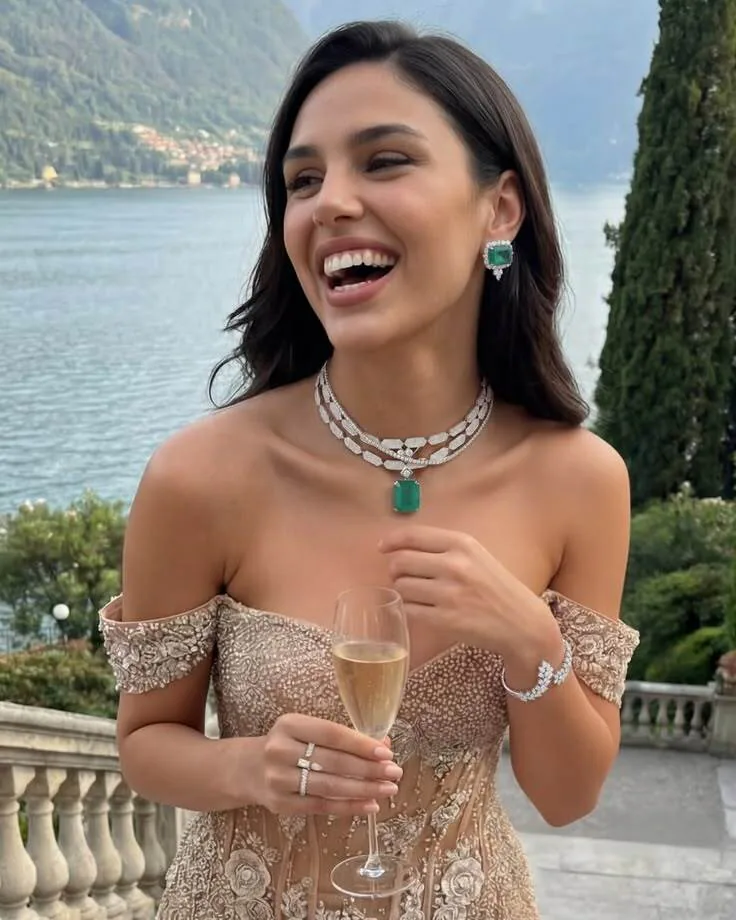
Destination weddings have become an exciting opportunity to experiment with fashion, offering celebrations against some of the most beautiful backdrops imaginable. From sunlit beaches and misty mountains to grand heritage palaces, every location brings a different atmosphere, dress code and styling opportunity. Jewellery, in particular, can transform an outfit by complementing the surroundings while reflecting the wearer’s personality.
For Gen Z and fashion-conscious wedding guests, destination celebrations are increasingly a chance to move beyond conventional styling rules. Rather than choosing accessories simply because they match an outfit, the focus is on creating a cohesive look that considers the venue, weather, colours, textures and overall mood of the occasion.
However, selecting jewellery for a destination wedding requires more thought than picking a statement necklace or a pair of earrings. Accessories that look beautiful at a royal palace may feel excessive at a relaxed beach ceremony, while delicate pieces that work for a seaside celebration may get lost against the rich fabrics and dramatic silhouettes associated with a winter wedding in the mountains.
In an interview with HT Lifestyle, Rhea Poddar Loyalka, creative director at Deshya by Ma Passion, shared recommendations on choosing jewellery for different destination wedding settings. Her advice highlights the importance of balancing visual impact with practicality, while choosing pieces that can be styled for multiple occasions.
Here is how to select jewellery for beach weddings, palace ceremonies and mountain celebrations, along with tips to make your accessories work harder beyond the wedding festivities.
1. Beach Weddings: Choose Jewellery Inspired by the Sea and Sunset
Beach weddings are often associated with open skies, soft sand, ocean breezes and natural light. The setting tends to encourage relaxed silhouettes, flowing fabrics and a more effortless approach to dressing. Jewellery should complement this atmosphere rather than compete with the landscape.
According to Loyalka, the ideal approach is to choose stones and designs that reflect the colours and textures of the surroundings. Soft blues, watery greens, pearly whites and warm sunset shades can create a natural connection between the accessories and the location.
Opt for aquamarine, moonstone and pearls
For a cool-toned beach wedding palette, aquamarine, moonstone, pale sapphire and pearls are particularly suitable options. Their delicate colours and luminous finishes can complement the blue sea, bright sky and soft tones of a coastal setting.
Aquamarine offers a fresh blue hue that works beautifully with ivory, white, pastel pink and powder-blue outfits. It can be incorporated into a pendant necklace, delicate earrings or a gemstone ring without making the overall look feel too heavy.
Moonstone provides a softer, more ethereal effect. Its subtle glow pairs well with flowing dresses, lightweight sarees and contemporary occasion wear. Pearls, meanwhile, remain a versatile choice for both traditional and modern wedding outfits, bringing understated elegance without overwhelming the look.
Pale sapphire can add a little more colour while retaining the refined appearance suited to a seaside celebration. These stones can be styled with fine gold or silver-toned settings, depending on the outfit and the overall aesthetic.
Warm gemstones for sunset ceremonies
Not every beach wedding calls for cool colours. If the ceremony takes place around sunset, warm-toned jewellery can complement the golden light and the changing colours of the sky.
Loyalka recommends coral-toned stones, warm citrine and golden beryl for those who prefer a richer palette. These shades can work especially well with peach, rust, champagne, yellow, coral and earthy-toned outfits.
A pair of warm gemstone earrings can bring colour to a simple dress, while a delicate pendant or a stackable ring can add detail without distracting from the overall silhouette.
Keep the silhouettes fluid and lightweight
Beach weddings often involve movement, outdoor ceremonies and changing weather conditions. Jewellery that feels comfortable and easy to wear can be more practical than oversized pieces that require constant adjustment.
“Fluid silhouettes are great in a beach setting for their effortless character. A fine layered necklace, a single sculptural earring, or a stackable gemstone ring paired with a delicate anklet all make for great choices,” recommends Loyalka.
Layered necklaces can add dimension to a simple neckline, particularly when paired with a lightweight dress or a contemporary saree. A sculptural earring can serve as the main accessory when the outfit itself is minimal, while an anklet can introduce a subtle detail that suits the coastal setting.
The key is to avoid wearing too many statement pieces at once. If the earrings are bold, keep the necklace understated. If the outfit features an elaborate neckline, consider skipping the necklace and focusing on earrings or rings instead.
Practical considerations for beach jewellery
Beach ceremonies may expose accessories to humidity, sweat, sand and saltwater. Delicate chains can tangle, while certain finishes and materials may require extra care after prolonged exposure to moisture.
Choose secure clasps and comfortable designs, particularly if you expect to move between the ceremony, photographs and a reception. If the event involves walking on sand, consider whether an anklet or long necklace will remain comfortable throughout the day.
It is also worth keeping valuable heirloom pieces away from direct exposure to sand and seawater. Store jewellery safely when it is not being worn, and follow the care instructions for the specific metal and gemstones.
For a beach wedding, the most successful jewellery look often combines colour, movement and simplicity. The goal is to look polished without losing the relaxed character of the setting.
2. Palace Weddings: Embrace Regal Jewellery With a Modern Twist
Palace weddings have a different visual language. Grand architecture, ornate interiors, carved pillars, elaborate courtyards and heritage details create an atmosphere of grandeur. The setting can support richer colours, dramatic silhouettes and jewellery with a stronger visual presence.
However, choosing accessories for a palace ceremony does not necessarily mean wearing several heavy traditional pieces together. Instead, one remarkable piece can create a more distinctive and contemporary statement.
Make one statement piece the centre of attention
Loyalka recommends a maximalist approach for palace settings, but with an emphasis on selecting a standout accessory rather than simply piling on jewellery.
Chandelier earrings featuring uncut diamonds and vivid gemstones are one option. Their length, intricate detailing and combination of colours can complement elaborate outfits without requiring a heavily embellished necklace.
For example, chandelier earrings can be paired with an embroidered saree, a structured lehenga or a contemporary gown. If the earrings are particularly elaborate, a simple bracelet or a few rings may be enough to complete the look.
This approach allows the jewellery to stand out while keeping the overall styling balanced. It also works well for people who prefer modern silhouettes but want their accessories to reflect the grandeur of a heritage venue.
Explore carved gemstones and artisanal details
Carved gemstones are another option for palace weddings. According to Loyalka, these pieces bring an artisanal, old-world charm to modern couture jewellery.
Unlike gemstones that rely primarily on their colour and polished finish, carved stones introduce texture, pattern and craftsmanship. They can create visual interest even when the overall colour palette is restrained.
Such jewellery can complement richly woven fabrics, detailed embroidery and traditional silhouettes. A carved gemstone pendant or a pair of statement earrings can also work with a contemporary outfit, creating a contrast between heritage-inspired craftsmanship and modern tailoring.
For a more cohesive appearance, consider the colours already present in the outfit. Deep red, emerald green, royal blue, gold and jewel-toned fabrics can work well with vivid gemstones, while neutral or ivory outfits can provide a backdrop for more intricate pieces.
Balance jewellery with the outfit
Palace venues can tempt wedding guests to choose accessories that are as elaborate as possible. However, the most effective styling usually involves a clear focal point.
If the outfit has a heavily embellished neckline, statement earrings may be sufficient. If the outfit is relatively simple, a dramatic necklace or an ornate pair of earrings can provide the required impact.
Those wearing traditional Indian outfits can experiment with antique-inspired finishes, carved details and rich gemstone colours. Guests choosing gowns or contemporary ensembles can use a single heritage-inspired piece to introduce an unexpected element.
The objective is not to match every detail of the venue but to create a look that feels appropriate for the occasion while remaining personal. A carefully chosen statement accessory can look more considered than a collection of pieces competing for attention.
Think about comfort during long celebrations
Palace weddings can involve several events, including welcome dinners, ceremonies, receptions and photographs across expansive venues. Jewellery should therefore be selected with comfort and wearability in mind.
Large earrings can become uncomfortable after several hours, while heavy necklaces may be difficult to wear throughout a long celebration. Try accessories with the complete outfit before travelling, and check that clasps, hooks and closures are secure.
When the schedule includes multiple functions, consider reserving the most elaborate jewellery for the main ceremony and choosing lighter alternatives for daytime events. This makes it easier to create distinct looks without carrying an unnecessarily large collection.
For palace weddings, the ideal balance is regal impact with thoughtful restraint: choose jewellery that feels special, highlights the outfit and remains comfortable enough to wear confidently.
3. Mountain Weddings: Choose Rich Colours, Texture and Depth
Mountain weddings offer a different kind of visual drama. Misty landscapes, rugged terrain, forested backdrops and cooler temperatures often call for layered clothing, richer fabrics and accessories that add warmth to the overall look.
Unlike a beach ceremony, where delicate colours and lightweight designs may feel most natural, a mountain celebration can accommodate deeper gemstone shades, textured surfaces and jewellery with a more substantial appearance.
“Mountains are mighty and deep. This setting invites jewellery that is rich and offers depth,” said Loyalka.
Choose amber, smoky quartz, rubellite and sapphire
For mountain weddings, Loyalka recommends warm amber, smoky quartz, rich burgundy rubellite and deep blue sapphire. These colours can create contrast against pale winter palettes and complement the richer fabrics often worn in cooler weather.
Amber introduces warm golden and honey tones that can work well with beige, brown, rust and cream outfits. Smoky quartz offers a more muted, earthy appearance, making it suitable for people who prefer understated jewellery with depth.
Burgundy rubellite can bring a dramatic splash of colour to darker outfits, while deep blue sapphire offers a classic option that pairs well with navy, charcoal, ivory and jewel-toned clothing.
These gemstones can be used in statement earrings, pendants, rings or chokers. The choice depends on the outfit’s neckline, the occasion and whether the jewellery is intended to be the focal point.
For daytime celebrations, smaller gemstone pieces can complement structured jackets, knitwear-inspired textures or tailored ensembles. For an evening ceremony, more elaborate earrings or a gemstone choker can add richness to a saree or formal dress.
Layering adds warmth and dimension
Mountain weddings often involve multiple layers of clothing, particularly during winter. Jewellery needs to work with those layers rather than disappear beneath them or become tangled in scarves and collars.
Loyalka highlights versatile layering, carved surfaces and brushed metals as useful ways to introduce warmth and texture into winter styling.
For example, a gemstone choker can work well with an outfit that has a defined neckline, while statement earrings may be more suitable when the ensemble includes a high collar or a structured jacket. Rings and bracelets can add detail without interfering with outerwear.
Carved surfaces provide tactile interest, while brushed metal finishes can create a softer appearance than highly polished pieces. These textures can complement wool, velvet, silk, brocade and other fabrics commonly associated with cooler-weather celebrations.
Layering should still be deliberate. Wearing several necklaces of different lengths may work with a simple neckline, but it can become visually crowded when combined with heavy embroidery, a high collar or a detailed dupatta.
Choose accessories that transition from day to night
One advantage of versatile jewellery is that it can be restyled across different events during the same wedding. A gemstone choker might be worn with a structured jacket for a daytime celebration and paired with a saree for an evening function.
Similarly, a pair of statement earrings can complement a tailored daytime outfit and later work with a more elaborate evening ensemble. Rings and bracelets can also provide continuity between looks without requiring an entirely new set of accessories for every event.
When choosing jewellery for a mountain destination, consider the full outfit, including coats, jackets, scarves and other layers. Accessories that look beautiful in isolation may need to be adjusted once the complete ensemble is put together.
The aim is to create depth without sacrificing comfort. Rich colours, tactile details and thoughtful layering can help jewellery feel connected to the mountain setting while remaining practical for a long day of celebrations.
4. The Most Important Jewellery Trend: Versatility
Although beach, palace and mountain weddings call for different styling approaches, one principle connects them all: versatility.
Destination weddings often involve several functions over a short period, from welcome dinners and daytime ceremonies to cocktail parties and receptions. Carrying a separate jewellery set for every outfit can become expensive and impractical, particularly when travelling between locations.
Loyalka believes that jewellery offering greater wearability is increasingly valued over pieces designed for a single occasion.
“Across all settings, the common denominator is versatility. Jewellery that is practical and offers more wearability is considered a worthy investment now, as opposed to typical one-time-wear pieces,” she explained.
This approach encourages shoppers to think beyond a single wedding outfit and consider how an accessory might work with other pieces in their wardrobe.
Invest in jewellery that works across occasions
A pair of sculptural earrings, for instance, could complement a flowing beach outfit, a contemporary palace-wedding ensemble or a simple evening dress. The overall effect would depend on the gemstone colour, metal finish and styling choices.
Similarly, a fine necklace can be worn alone for a minimal daytime look or layered with other chains for a more elaborate evening outfit. A gemstone ring may add a small detail to casual occasion wear while also complementing traditional wedding attire.
Versatility does not necessarily mean choosing plain or understated jewellery. A statement piece can still be versatile if its colour, shape and scale work with several outfits.
Before buying an accessory for a destination wedding, consider at least two or three ways to style it. If a necklace only works with one specific neckline or a pair of earrings clashes with most of your outfits, it may be less useful than a piece that can transition between looks.
Choose a coordinated jewellery collection
Instead of buying several unrelated pieces, build a small collection around complementary colours and finishes. This makes it easier to mix and match accessories while maintaining a consistent personal style.
For example, a collection featuring gold-toned metals, neutral gemstones and a few colourful statement pieces can offer options for both minimal and elaborate outfits. Pearls may work for daytime events, while deeper gemstones can create a more dramatic evening look.
There is no need for every piece to match perfectly. A coordinated collection can include different shapes and textures as long as the accessories work with the outfits and the overall styling remains intentional.
Versatility is also about practicality. Pieces that are easy to store, comfortable to wear and simple to combine with different outfits can reduce the amount of jewellery required for a multi-day celebration.
5. How to Match Jewellery With Your Outfit and Wedding Venue
While the destination provides useful styling inspiration, jewellery should also complement the outfit itself. A beautiful accessory may not work as intended if its proportions, colours or textures clash with the clothing.
Consider the neckline
The neckline is one of the most useful starting points when selecting jewellery. Strapless and open necklines can provide space for a necklace, while high-necked outfits may look better with statement earrings.
For a heavily embroidered blouse or an outfit with an elaborate neckline, skipping the necklace can help prevent the styling from becoming overcrowded. A simple dress, on the other hand, can provide a backdrop for layered chains or a statement pendant.
Balance colour and contrast
Jewellery can either complement the colours in an outfit or introduce contrast. Pale gemstones and pearls may work well with pastel shades and light fabrics, while burgundy rubellite, deep sapphire and vivid gemstones can create a stronger effect against darker or neutral outfits.
Metal finishes also influence the overall appearance. Gold-toned jewellery can complement warm shades and traditional fabrics, while silver-toned finishes may create a cooler, more contemporary look. Neither option is restricted to a particular colour palette; the key is how the pieces work together.
Match the scale of the accessories to the occasion
A daytime beach ceremony may call for delicate jewellery that works with natural light and flowing clothing. An evening palace reception may provide an opportunity for chandelier earrings or a sculptural statement piece.
Mountain celebrations can accommodate richer colours and textured designs, especially when the outfit includes heavier fabrics or several layers.
These are starting points rather than strict rules. Personal style, cultural traditions and the formality of the event should also influence the final choice.
6. Jewellery Packing Tips for a Destination Wedding
Choosing the right jewellery is only part of preparing for a destination wedding. Travelling with accessories requires care, particularly when the itinerary includes several events and different outfits.
- Plan jewellery with each outfit: Decide which accessories you will wear for each event before packing to avoid carrying unnecessary pieces.
- Pack delicate chains separately: Use individual pouches or compartments to reduce tangling and prevent scratches.
- Secure valuable pieces: Store important jewellery safely and avoid leaving expensive accessories unattended in hotel rooms or shared spaces.
- Check clasps and closures: Inspect necklaces, earrings and bracelets before travelling so that loose fastenings do not become a problem during the celebration.
- Consider the climate: Humidity, sweat, sand and moisture can affect some jewellery materials. Follow the care instructions for your specific pieces.
- Carry a versatile selection: A few carefully chosen accessories that work with several outfits can be more useful than a large collection of single-use pieces.
It is also worth considering the practical demands of the destination. Beach events may involve sand and saltwater, palace ceremonies can require hours of walking and standing, and mountain weddings may involve cold weather and heavy layers. Selecting jewellery with these conditions in mind can make the experience more comfortable.
Final Thoughts: Let the Destination Inspire Your Jewellery Choices
Destination weddings provide an opportunity to experiment with jewellery in ways that reflect the surroundings, the outfit and the occasion. A beach ceremony can inspire delicate pearls, aquamarine and fluid silhouettes. A palace wedding may call for chandelier earrings, vivid gemstones and intricate carved details. A mountain celebration can accommodate richer colours, textured surfaces and thoughtful layering.
Yet the most effective styling does not depend on following a rigid set of rules. The aim is to choose accessories that feel appropriate for the setting while expressing your individual style.
As Rhea Poddar Loyalka’s recommendations suggest, versatility is an important consideration when investing in jewellery. Pieces that transition between outfits and occasions offer more value than accessories that remain unused after a single celebration.
Before choosing your jewellery, consider the destination, the weather, the outfit’s neckline, the event’s formality and how often you might wear the pieces again. With a little planning, a carefully selected collection can help you create distinctive looks for every wedding function without compromising on comfort or personal style.
For breaking news and live news updates, like us on Facebook or follow us on Twitter and Instagram. Read more on Latest Lifestyle on thefoxdaily.com.

COMMENTS 0