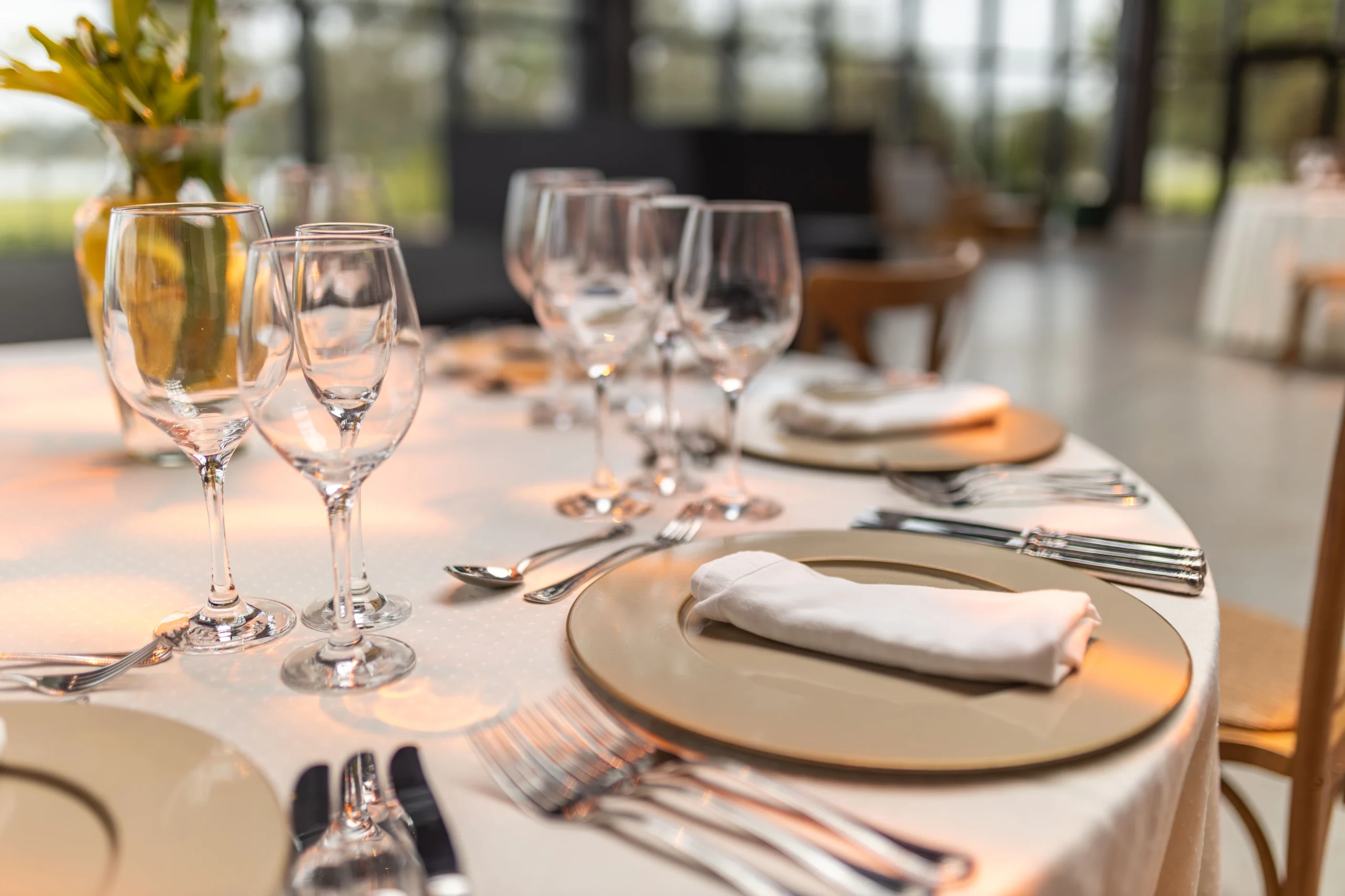
In many Indian homes, opening a kitchen cupboard reveals two very different collections of crockery. One contains the plates, bowls and glasses used for everyday meals, often a mixture of older steel utensils and mismatched cups. The other holds the family’s best dinner set, carefully arranged on an upper shelf or behind glass doors, waiting for guests or an important celebration.
These special collections may include fine china, decorative ceramic plates, polished steel glasses without dents or an expensive dinner set received as a wedding gift. Despite being perfectly usable, such items often remain untouched for months or even years. They are brought out when relatives visit, guests arrive unexpectedly or the family hosts a special gathering.
The practice is familiar across generations of Indian households. For some families, serving food in the best crockery is an expression of affection and respect. For others, it reflects a desire to protect valuable possessions or maintain a certain image in front of visitors. In many cases, several of these reasons influence the habit at the same time.
In an interview with HT Lifestyle, Dr Chandni Tugnait, MD, psychotherapist, life alchemist, coach and healer, and founder and director of Gateway of Healing, explained the psychological and cultural reasons behind this longstanding household tradition. Her observations also raise an interesting question: when families reserve their finest possessions for visitors, do they sometimes forget to enjoy those things themselves?
1. Indian Hospitality: Guests Deserve the Best
One of the strongest reasons Indian families save their best crockery is the cultural importance attached to welcoming guests. Hospitality is deeply valued in many Indian households, where serving visitors with care is considered an important part of family life.
Offering someone a comfortable seat, preparing a special meal and bringing out the best plates are all ways of communicating warmth. The crockery becomes more than a practical object used to serve food. It becomes part of the family’s effort to make visitors feel welcome and respected.
According to Dr Tugnait, the idea that guests should be treated with great respect is deeply rooted in Indian Culture. Bringing out the nicest plates when someone visits is one way of showing that the family is happy to have them at home and wants them to feel looked after.
This explains why an everyday meal may be served on ordinary steel plates, while the same food is presented in a carefully selected dinner set when relatives or friends arrive. The difference is not necessarily about the food itself but about the meaning attached to the occasion.
For many families, using special crockery for guests is also a way of continuing traditions they have seen their parents and grandparents follow. Even when household lifestyles change, the practice of welcoming visitors with the best available arrangements often remains familiar.
2. Fear of Being Judged by Visitors
Hospitality is not the only factor behind the habit. Social expectations and the fear of being judged can also influence which plates and glasses a family chooses for visitors.
People often want their homes to appear clean, organised and welcoming when someone comes over. Small details, including the condition of crockery, may become part of the impression they hope to create. A chipped cup, scratched plate or old steel glass might seem perfectly acceptable for everyday use but feel unsuitable when serving guests.
Dr Tugnait explained that some families worry about what visitors might think of their homes. They may fear that serving food in worn-out utensils will lead guests to form a negative opinion about their household. Keeping a nicer dinner set aside becomes a way of making a good impression.
This concern can be connected to the broader pressure many people experience around social appearances. The condition of the living room, the food being served, the arrangement of furniture and even the crockery can feel like reflections of how well a household is maintained.
However, the desire to create a positive impression does not always mean that a family is deliberately trying to show off. Sometimes, it is simply an expression of nervousness about being judged or a belief that guests deserve a more presentable experience.
Over time, the distinction between everyday crockery and guest crockery can become an automatic household rule. Family members may continue following it without questioning why certain plates are considered suitable for visitors but not for the people who use the kitchen every day.
3. The Habit of Saving the Best for a Special Day
Another important explanation lies in the experiences of older generations. Many people who grew up in households where money was limited learnt to take special care of valuable possessions. Buying new household items was not always easy, so plates, glasses and other belongings were expected to last for years.
When something expensive or difficult to replace entered the home, families often protected it from unnecessary wear and tear. Using it only on important occasions was seen as a sensible way to preserve its condition.
This approach was not limited to crockery. Similar habits could be seen in the way families stored festive clothes, special bedsheets, decorative objects and expensive household items. Rather than using everything regularly, people kept certain possessions aside for celebrations, festivals or visits from important guests.
Such habits can continue even after a family’s financial circumstances improve. Children who grow up watching their parents protect the best dinner set may adopt the same behaviour in their own homes. The original financial reason may become less relevant, but the idea that good things should be saved for special occasions remains.
In this way, the guest crockery cupboard becomes part of an inherited household culture. A family may have enough plates for everyday use, but the most attractive set remains untouched because that is how previous generations treated valuable possessions.
There is also an emotional dimension to this practice. Saving something for a special occasion can make that occasion feel more meaningful. The familiar ritual of opening the cupboard, taking out the dinner set and arranging the table becomes part of the experience of hosting guests.
4. Wedding Gifts and Family Memories Make Crockery Special
For many Indian households, the finest dinner set is not simply a purchase. It may be a wedding gift, a present from a close relative or an item passed down through the family. Such crockery can carry memories that make it difficult for people to use freely.
Dr Tugnait pointed out that guest crockery is often connected to important family relationships. A set may have been gifted during a wedding or inherited from a mother or grandmother. Because of its sentimental value, family members may worry about breaking or damaging it.
In these situations, the value of the crockery is not measured only by its price. It may remind someone of their wedding, a relative who is no longer around or a significant moment in the family’s history. Even an ordinary-looking cup can become precious because of the person who gave it.
This emotional connection can explain why some people hesitate to use their best crockery even for their own celebrations. A broken plate may be replaceable, but the memories associated with an inherited set cannot be recreated.
Keeping such items safely stored can feel like a way of protecting family history. The special dinner set may also become something that younger family members recognise as belonging to a particular person or generation.
However, there is a difference between preserving an heirloom carefully and keeping every valuable possession permanently out of use. Families can protect sentimental items while still finding opportunities to enjoy them, particularly when using them creates new memories with loved ones.
5. When Saving the Best for Guests Becomes a Problem
Although the tradition often begins with positive intentions, Dr Tugnait highlighted a less obvious side of the practice. She said there can be something sad about families saving their best possessions for visitors while rarely using them for themselves.
At first glance, keeping special crockery aside may appear harmless. It may simply be a practical decision based on the fear of breakage or a preference for using durable utensils every day. However, when the habit becomes deeply ingrained, it can create an unusual distinction between the people who live in the home and those who visit it.
Dr Tugnait observed that this behaviour can quietly send the message that the people living in the house deserve less than the guests who come to visit. In other words, family members may become accustomed to using older or less attractive things while reserving their finest possessions for other people.
This does not mean that every household following the tradition has low self-worth or that keeping a guest dinner set is necessarily unhealthy. The concern is about the underlying belief that ordinary family life is not special enough to deserve the same care and attention as a social occasion.
Everyday family meals are also opportunities for connection. People gather around the dining table after work, share stories, celebrate small achievements and spend time together. These moments can be just as meaningful as a formal dinner with visitors.
Using attractive crockery for an ordinary meal does not make the occasion less special. In fact, it can be a simple way of making daily routines feel more enjoyable and reminding family members that their comfort matters too.
6. Why Everyday Meals Deserve the Best Crockery Too
The idea of using special crockery only for guests is worth reconsidering, particularly in households where the best dinner set remains untouched for years. A practical alternative is to bring out those plates and glasses occasionally, even when no visitors are expected.
Families do not have to abandon their traditions or use every valuable item daily. Instead, they can create a balance between preserving sentimental possessions and enjoying them. A wedding-gift dinner set, for example, can be used during a family celebration, a weekend meal or a birthday dinner.
There are several simple ways to make the change:
- Use special plates on family occasions: Bring out the dinner set for birthdays, anniversaries, festive meals or an ordinary Sunday lunch.
- Make everyday meals feel special: Use a favourite serving bowl or a few attractive plates even when the meal is simple.
- Preserve sentimental pieces thoughtfully: If a set has significant emotional value, use selected pieces carefully rather than keeping everything permanently locked away.
- Teach children to enjoy family possessions: Allow younger family members to use good crockery when appropriate, while teaching them how to handle it safely.
- Stop treating ordinary days as unimportant: A special meal does not always need guests, a festival or a formal occasion.
These small changes can help families enjoy their belongings without giving up the warmth of traditional hospitality. The aim is not to stop treating guests well but to extend the same care to the people who live in the house.
7. The Psychology Behind Keeping Things for Later
The practice of saving the best crockery also reflects a wider human tendency to postpone enjoyment. People sometimes keep their favourite clothes for a special event, avoid opening expensive gifts or leave attractive household items unused because they are waiting for the right moment.
This behaviour can be influenced by several factors, including memories, financial habits, fear of damage and the belief that certain possessions should be reserved for important occasions. In some households, the habit becomes so normal that family members rarely consider whether they still need to follow it.
There is nothing inherently wrong with taking care of valuable possessions. Being careful with fragile or expensive items can be sensible, especially when replacing them would be difficult. The question is whether protecting something becomes more important than enjoying it.
A dinner set is designed to serve food, just as a favourite outfit is meant to be worn. When useful possessions remain unused indefinitely, families may miss opportunities to create experiences around them.
For crockery with sentimental value, using it can also help keep memories alive. A plate inherited from a grandmother, for instance, may become more meaningful when it is part of a family meal shared by several generations.
Hospitality Should Include the People at Home
The tradition of saving the best crockery for guests reflects the importance Indian families place on hospitality, respect and preserving family possessions. It can come from affection, financial prudence, social expectations or memories attached to wedding gifts and inherited items.
However, as Dr Tugnait’s observations suggest, it is worth considering whether families sometimes reserve too much of their everyday happiness for special occasions. The people who live in a home deserve comfort, care and thoughtful experiences just as much as the visitors who enter it.
Bringing out the fine china or the wedding-gift dinner set for an ordinary family dinner does not take away from the tradition of welcoming guests. It simply recognises that family members are equally deserving of the best things their home has to offer.
After all, a special dinner does not become meaningful only because guests are present. Sometimes, the people sitting around the table every day are reason enough to bring out the good plates.
For breaking news and live news updates, like us on Facebook or follow us on Twitter and Instagram. Read more on Latest Lifestyle on thefoxdaily.com.





COMMENTS 0