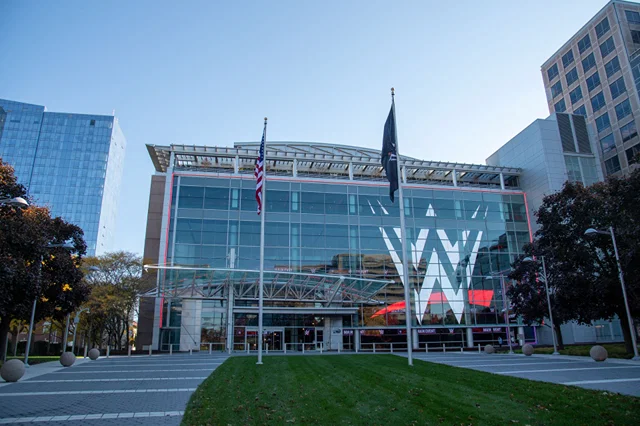
WWE has undergone significant changes over the past five years, with major shifts in leadership, creative direction and business strategy reshaping the company. Following the controversies surrounding former chairman Vince McMahon, who left the organisation in 2024, Paul “Triple H” Levesque took charge of creative operations and became the central figure behind the promotion’s on-screen direction.
The change initially generated considerable optimism among fans. Many had grown frustrated with McMahon’s booking style and hoped Triple H would recreate the atmosphere and storytelling that made the Black and Gold era of NXT popular. For a while, the new creative direction appeared to deliver on those expectations.
However, the excitement was followed by growing criticism, particularly after WWE’s merger with TKO. Fans have increasingly raised concerns about rising ticket prices, celebrity involvement and booking decisions that they believe have limited opportunities for emerging talent.
Although WWE could address these concerns as it moves into 2027, several existing trends suggest that some familiar problems may continue. Here are three potential mistakes the company could make in the coming year.
#3. WWE could continue dismissing fan backlash over ticket prices
Ticket pricing has become one of the most persistent sources of tension between WWE and its fan base. Supporters have repeatedly criticised the rising cost of attending weekly television shows, premium live events and major stadium spectacles.
Fans understand that WWE operates as a business and must generate revenue. However, many believe that ticket prices have reached a point where attending live events is becoming increasingly difficult for ordinary supporters. The concern is not simply about making money but about whether the company is maintaining a reasonable balance between profitability and the experience offered to its audience.
The criticism has become particularly noticeable since the TKO merger. Some fans feel that the company’s growing focus on revenue and commercial opportunities has taken priority over making live events accessible to a wider audience.
WWE has maintained that it listens to its fans, but critics argue that its pricing decisions do not always reflect the concerns being expressed. The gap between the company’s public messaging and the experience of some ticket buyers has contributed to frustration.
Nick Khan’s latest comments on the issue have also done little to suggest that a major change in pricing strategy is on the horizon. If WWE continues prioritising premium pricing without adequately addressing affordability concerns, the issue could remain a significant point of criticism in 2027.
There is a commercial argument for charging higher prices, particularly for major events featuring the company’s biggest stars. However, maintaining a strong relationship with fans also requires ensuring that live wrestling remains accessible to people who have supported the promotion for years.
If the company fails to find that balance, it risks allowing ticket prices to become a recurring source of dissatisfaction rather than a manageable business issue.
#2. WWE could continue involving celebrities in storylines
Celebrity appearances have been part of WWE’s identity for decades, helping the promotion attract attention beyond its regular wrestling audience. However, the frequency and nature of celebrity involvement have become increasingly controversial among fans over the past two years.
Some supporters believe that celebrity appearances can add excitement when the individuals involved understand Professional Wrestling and make a genuine effort to contribute to the story. Others argue that celebrities are increasingly being inserted into major programmes without adding meaningful value to the rivalries or the performers involved.
Recent examples have included Travis Scott’s involvement alongside The Rock and Pat McAfee being brought into a storyline with Randy Orton. These appearances generated attention, but they also raised questions about whether celebrity participation was helping the central wrestling stories or distracting from them.
Not every celebrity appearance has been unsuccessful. Bad Bunny and Lil Yachty have been cited as examples of outside personalities whose involvement connected more effectively with WWE’s product. Their contributions demonstrated how celebrity participation can work when the individuals involved show commitment to the storyline and an interest in professional wrestling itself.
Bad Bunny, in particular, earned attention for taking his wrestling involvement seriously and contributing inside the ring. Such examples suggest that the issue is not necessarily the presence of celebrities but how they are used and whether their appearances serve a meaningful purpose.
WWE’s relationship with TKO also creates an incentive to pursue opportunities that increase the promotion’s mainstream visibility. Celebrity appearances can attract media coverage, introduce new audiences to wrestling and create commercial partnerships.
That strategy may continue in 2027, but the company will need to ensure that celebrity involvement does not come at the expense of its full-time performers. When outside personalities receive prominent roles while established wrestlers struggle for meaningful television time, fans may question the creative priorities behind those decisions.
For celebrity appearances to remain effective, they need to complement the wrestling product rather than dominate it. Without that balance, WWE could face continued criticism for relying too heavily on mainstream names instead of developing its own roster.
#1. WWE could continue favouring established stars over rising talent in 2027
One of the longest-running complaints among WWE fans concerns the company’s treatment of emerging performers. Supporters want to see wrestlers who have built strong followings through their performances receive meaningful opportunities on the main roster.
However, critics believe WWE has often relied on a familiar group of established names to carry its biggest shows rather than consistently investing in talent who are gaining popularity organically. This can create frustration when a wrestler connects with the audience but does not receive the creative support needed to move into a more prominent position.
The history of Daniel Bryan, now known as Bryan Danielson, remains an important example of how fan support can influence WWE’s creative direction. Despite initial resistance, the company eventually gave him a major WrestleMania moment after supporters strongly backed his rise.
That momentum, however, was followed by a renewed focus on Roman Reigns as a leading main-event star. While Reigns eventually became one of the company’s central performers, it took considerable time for sections of the audience to fully embrace the direction WWE had chosen.
More recently, fans have raised concerns about the way the company has handled performers who have built strong connections with the audience. LA Knight has been one of the most frequently discussed examples, with supporters questioning whether WWE has consistently capitalised on his popularity.
Another concern is the use of stop-and-start booking. A wrestler may receive a significant push, develop momentum and appear ready for a major opportunity, only for the storyline to lose direction. Such decisions can make it difficult for rising performers to maintain their connection with the audience.
Gunther’s momentum and the problem with inconsistent booking
Gunther is another name highlighted in discussions about WWE’s handling of rising stars. His “Career Killer” presentation created expectations that the company would continue building on his reputation as a dominant performer.
However, critics have argued that WWE did not fully capitalise on the character’s potential after introducing the gimmick. When a performer is given a distinctive identity but the creative direction does not develop it consistently, the impact of the original presentation can gradually weaken.
For a wrestler to become a long-term main-event attraction, strong performances need to be supported by meaningful rivalries, consistent storytelling and opportunities that reflect their popularity. A promising character alone cannot guarantee sustained momentum if the booking does not follow through.
The challenge of moving NXT stars to the main roster
WWE has also faced criticism over how it handles performers moving from NXT to the main roster. Wrestlers can arrive with considerable momentum after establishing themselves in NXT, only to find that their television roles and storylines do not immediately match the expectations surrounding their call-ups.
Some names have managed to find success after making the transition. Stephanie Vaquer, Sol Ruca and Blake Monroe have been cited as examples of performers who have recently found opportunities to make an impression.
However, fans want to see a more consistent approach that allows successful NXT performers to retain their identity and momentum after joining the main roster. A call-up should ideally build on the popularity a wrestler has already developed rather than forcing them to start again without a clear direction.
WWE has invested time and resources in developing its NXT talent, making the transition to the main roster an important part of its long-term strategy. If the company fails to give emerging performers meaningful opportunities, it could limit the benefits of that development system.
Can 946 maintain its momentum?
The formation of 946 has provided a potential positive development amid concerns about WWE’s treatment of rising talent. The group has generated interest, but its long-term impact will depend on how the company develops its storylines and handles its upcoming rivalry with The Bloodline.
Their WarGames match against The Bloodline could become an important moment in determining how much momentum the group carries into the future. A strong showing and meaningful follow-up could help establish 946 as a significant part of WWE’s evolving roster.
However, the group’s progress will depend on what happens after the match. WWE will need to provide consistent direction and meaningful opportunities if it wants the momentum to translate into long-term success.
Can WWE address these concerns in 2027?
WWE enters 2027 with a major opportunity to strengthen its relationship with fans while continuing to expand its commercial reach. The company has experienced significant changes in leadership and business structure, but the concerns surrounding ticket prices, celebrity involvement and talent development remain important topics among its audience.
These issues are not necessarily impossible to resolve. A more balanced approach to ticket pricing could help maintain fan accessibility, while carefully planned celebrity appearances could add mainstream attention without overshadowing full-time performers. At the same time, consistent booking and meaningful opportunities for emerging stars could help WWE build its next generation of main-event talent.
The challenge for Triple H and the wider WWE leadership will be finding a way to balance commercial priorities with the creative decisions that keep wrestling fans invested. If the company continues along its current path without addressing these concerns, the same criticisms could follow it into another year.
Ultimately, WWE’s success in 2027 will depend not only on its biggest events and commercial achievements but also on how effectively it listens to its audience and develops the performers who will shape its future.
For breaking news and live news updates, like us on Facebook or follow us on Twitter and Instagram. Read more on Latest Sports on thefoxdaily.com.




COMMENTS 0