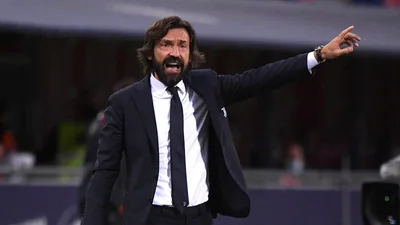
Andrea Pirlo’s Italy head coach candidacy has come to an abrupt end following intense public and political scrutiny surrounding his commercial association with Russian betting company Fonbet. The former World Cup-winning midfielder confirmed he is no longer in contention for one of the most prestigious jobs in international football, bringing an end to a week of speculation that dominated headlines across Italy. While Pirlo insisted his sponsorship agreement was purely commercial and unrelated to politics, the controversy ultimately proved too significant for the Italian Football Federation (FIGC) to ignore.
The development leaves Italy searching once again for a permanent successor, with several experienced managers now emerging as possible candidates. Beyond Pirlo’s withdrawal, the episode has reignited debate over sponsorship ethics, governance in football, and how commercial relationships can influence appointments at the highest level of the sport.
Andrea Pirlo’s Italy Coaching Bid Comes to an End
Andrea Pirlo had quickly emerged as one of the frontrunners for the Italy national team job after several elite managers reportedly ruled themselves out of contention.
The 2006 FIFA World Cup winner was viewed by many as a figure capable of reconnecting the national team with its successful footballing identity. His legendary playing career, tactical intelligence, and global reputation made him an attractive option despite his relatively limited managerial experience.
However, momentum behind his appointment faded rapidly as attention shifted from his football credentials to questions surrounding his commercial endorsement deal with Fonbet, a Russian betting company.
Why the Fonbet Partnership Became a Major Issue
The controversy centered on Pirlo’s role as a global ambassador for Fonbet, a betting company with Russian links.
Although the agreement reportedly originated while Pirlo was working in the United Arab Emirates, critics questioned whether such an association aligned with the values and public image expected of Italy’s national team coach.
The issue extended beyond gambling sponsorship itself. Given the broader political climate and increased sensitivity surrounding Russian-linked businesses, the partnership generated significant public debate and reportedly influenced decision-makers within Italian football.
Even if legal concerns could be addressed, the perception surrounding the sponsorship became increasingly difficult to separate from Pirlo’s candidacy.
Timeline of the Italy Coach Saga
| Event | Development |
|---|---|
| Italy begins coaching search | FIGC explores several high-profile candidates. |
| Pirlo emerges as favorite | Supported by senior football officials for the role. |
| Fonbet partnership scrutinized | Questions arise regarding betting sponsorship and political optics. |
| Public debate intensifies | Media attention shifts focus from football to sponsorship controversy. |
| Pirlo releases statement | Defends the commercial nature of his partnership. |
| Candidacy ends | Pirlo confirms he is no longer in contention. |
Pirlo Defends His Professional Reputation
Breaking his silence, Pirlo explained that throughout both his playing and coaching career he has always respected the laws of every country in which he has worked.
He emphasized that the partnership being discussed was strictly commercial and originated during his coaching spell in the United Arab Emirates.
“The professional collaboration… is exclusively of a commercial and sporting nature. Attributing political meaning to this collaboration means attributing convictions to me that I have never expressed.”
His statement sought to separate business relationships from personal political beliefs while rejecting assumptions made during the controversy.
Support from Paolo Maldini and Leonardo
Reports suggested that Italian football legends Paolo Maldini and Leonardo strongly supported Pirlo’s appointment.
Both reportedly viewed the former midfielder as the ideal figure to lead the national team into its next chapter, believing his football philosophy and leadership qualities matched Italy’s long-term vision.
Pirlo publicly thanked both men for their confidence, describing them as respected football figures whose commitment to Italian football remains unquestionable.
Was Experience Also a Factor?
While the sponsorship controversy dominated headlines, Pirlo’s managerial record had already generated mixed opinions.
Since retiring as a player, he has coached:
- Juventus
- Sampdoria
- Fatih Karagümrük
- Dubai United
Although he enjoyed moments of success, his coaching career has yet to consistently match the extraordinary standards he established during his playing days.
Some reports indicated that concerns regarding his managerial experience existed before the sponsorship issue emerged, suggesting multiple factors influenced the final decision.
Why National Team Appointments Face Higher Standards
Appointing a national team coach involves considerations that extend well beyond tactical expertise.
Federations often evaluate:
- Leadership qualities.
- Public reputation.
- Media perception.
- Commercial associations.
- Ability to represent the country’s football values.
Because the national coach serves as one of the sport’s most visible ambassadors, every aspect of their professional profile receives heightened scrutiny.
How Sponsorships Are Changing Football Governance
The Pirlo situation highlights a growing trend across international sport.
Modern football figures increasingly maintain global commercial partnerships that extend beyond traditional sports brands. While these agreements often enhance personal brands, they can also create unexpected conflicts when individuals pursue leadership positions within national federations.
Football authorities are becoming more cautious about potential reputational risks, particularly when sponsorships intersect with politically sensitive industries or regions.
What Happens Next for Italy?
With Pirlo no longer under consideration, Italy must continue its search for a permanent head coach.
Experienced managers reportedly linked with the position include:
- Maurizio Sarri
- Antonio Conte
- Roberto Mancini
In the meantime, caretaker manager Silvio Baldini is expected to remain in charge until a long-term appointment is finalized.
The federation now faces the challenge of selecting a coach capable of restoring stability while preparing Italy for future international competitions.
What Pirlo’s Exit Means for Italian Football
The story extends beyond one managerial appointment.
It reflects how football leadership has evolved into a role requiring not only tactical excellence but also careful management of public image, commercial partnerships, and institutional expectations.
For former players transitioning into coaching, maintaining a globally recognizable personal brand has become increasingly valuable—but it also carries additional scrutiny.
Expert Insight: Reputation Has Become as Valuable as Results
Modern football federations increasingly evaluate candidates through both sporting and reputational lenses. Technical knowledge, leadership, and experience remain essential, but public perception now plays an equally significant role in high-profile appointments.
The Pirlo episode illustrates how commercial partnerships can become decisive factors, particularly when governing bodies seek to avoid unnecessary distractions around national teams. As football continues to globalize, future coaching candidates may place greater emphasis on evaluating sponsorship agreements that could later influence career opportunities.
What Lies Ahead for Andrea Pirlo?
Despite missing out on the Italy job, Pirlo remains one of football’s most respected figures.
At 47, he still has significant time to build his managerial résumé and could attract opportunities at both club and international level in the future. His coaching journey is far from over, and the experience gained across Italy, Turkey, and the UAE provides a foundation for future success.
Whether he returns to club management or waits for another international opportunity, Pirlo’s reputation as one of football’s greatest midfielders remains firmly intact.
Conclusion
Andrea Pirlo’s withdrawal from the race to become Italy’s next head coach concludes one of the most closely watched coaching stories in recent Italian football. While questions surrounding his commercial partnership with a Russian betting company dominated public discussion, the episode also underscored the increasingly complex balance between sporting merit, commercial interests, and institutional reputation. Italy must now identify a new leader capable of guiding the national team into its next era, while Pirlo turns his attention toward the next chapter of his managerial career, with his long-term coaching ambitions remaining very much alive.
For breaking news and live news updates, like us on Facebook or follow us on Twitter and Instagram. Read more on Latest Sports on thefoxdaily.com.



COMMENTS 0