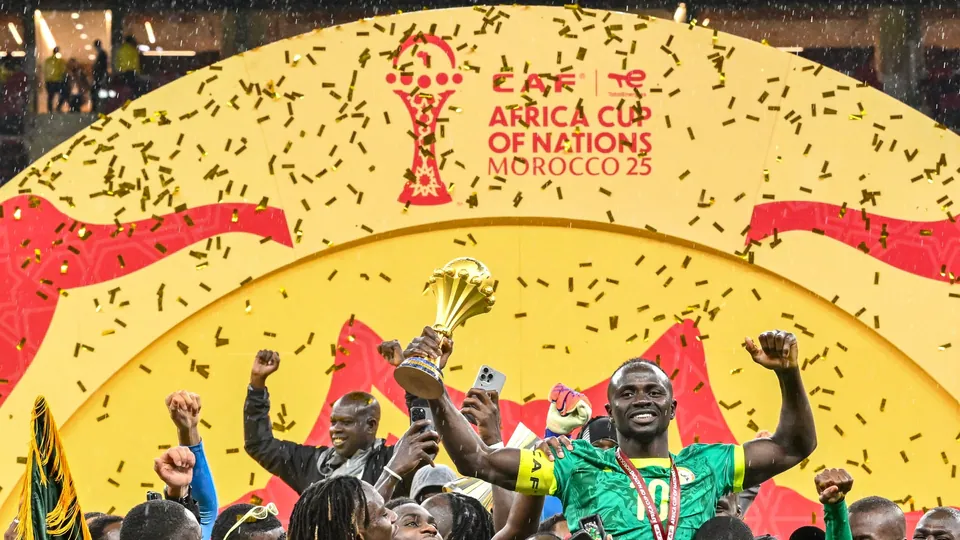
The Africa Cup of Nations (AFCON) will return to its traditional two-year schedule after the Confederation of African Football (CAF) reversed its previous decision to stage the continental tournament every four years. CAF announced the change on Friday, confirming that its Executive Committee had unanimously agreed to restore the biennial format.
The decision marks a significant shift in the governing body’s plans for African International Football. CAF had announced last year that AFCON would move to a four-year cycle, but concerns about the financial sustainability of a proposed replacement competition have prompted the organisation to reconsider its approach.
CAF president Patrice Motsepe said the decision was also influenced by the interests of African players who play for clubs outside the continent. Under the revised arrangement, AFCON will continue to take place every two years, although the tournament calendar will include an adjusted schedule around the 2030 FIFA World Cup.
CAF Reverses Decision to Hold AFCON Every Four Years
In an official statement, CAF confirmed that the Africa Cup of Nations would return to being held every two years. The Executive Committee reached the decision unanimously, reversing the plan announced in the previous year.
“The African Football Confederation (CAF) Executive Committee today unanimously decided that the CAF Africa Cup of Nations (AFCON) will return to taking place every two years,” the statement said.
The earlier proposal would have changed one of African football’s most important international competitions from a biennial tournament to an event staged once every four years.
That plan was connected to CAF’s intention to introduce a new competition called the Africa Nations League Pan-African Competition. The proposed tournament was expected to provide a regular platform for national teams while eventually replacing the existing AFCON format.
However, CAF has now concluded that waiting for the new competition to become financially sustainable could take several years. The governing body therefore decided that restoring the established AFCON schedule was the preferred course under its revised plans.
Financial Concerns Behind CAF’s AFCON Format U-Turn
One of the main reasons behind the decision was the financial uncertainty surrounding the proposed Africa Nations League Pan-African Competition.
CAF had intended for the new competition to operate in a similar way to the existing Africa Cup of Nations, with matches taking place every two years. The organisation hoped it would make a substantial contribution to the development of African football and help its competitions become more financially self-supporting.
However, Motsepe explained that reaching that position could take several years. CAF was concerned about the time required before the replacement competition could generate the financial resources and football development benefits expected from it.
“We were also concerned by the several years required before the proposed new Africa Nations League Pan-African competition, (which was supposed to be identical to the current AFCON and take place every two years), could make the substantial financial and football development contributions for African Football and CAF competitions to be globally competitive and self-supporting,” Motsepe said.
The explanation suggests that CAF did not want African national teams and the continent’s football development programmes to wait for a new competition to become established before receiving the benefits associated with a regular major tournament.
By returning AFCON to a two-year schedule, the organisation can continue relying on an established competition while reconsidering how its wider international calendar should develop.
CAF President Highlights Interests of African Players Abroad
Another factor mentioned by Motsepe was the situation of African footballers employed by clubs outside the continent.
Many African international players represent European and other overseas clubs during the domestic season before joining their national teams for major competitions. A tournament held every two years means those clubs could regularly lose important players during the AFCON period.
Moving the competition to a four-year schedule could have reduced the frequency of those international commitments. However, CAF’s revised decision means clubs will continue to face the possibility of releasing African players for the continental championship every two years.
Motsepe said the decision was taken partly in the interests of these players, although the change could prove contentious among their employers.
Clubs may have concerns about losing key squad members more frequently, particularly when AFCON takes place during important periods of domestic league and cup campaigns. The tournament’s return to a biennial schedule therefore has implications beyond African national teams, potentially affecting clubs and competitions around the world.
AFCON Schedule: Kenya, Tanzania and Uganda to Host Next Edition
The next Africa Cup of Nations is scheduled to be co-hosted by Kenya, Tanzania and Uganda. The three East African nations will jointly stage the tournament, giving the region an opportunity to host African football’s biggest international competition.
CAF has also outlined the planned schedule for the editions that will follow. According to the announcement, the subsequent tournaments are expected to take place in 2028, 2031 and 2033.
The schedule includes a three-year gap between the 2028 and 2031 editions, meaning the return to a two-year format will not result in every tournament being separated by exactly 24 months during this period.
The adjustment is connected to the international football calendar and the 2030 FIFA World Cup. CAF wants to avoid scheduling the final tournament of AFCON or other Confederation national-team competitions during the same year as the global tournament.
Why Will There Be a Three-Year Gap Between AFCON 2028 and 2031?
The 2030 FIFA World Cup is the main reason behind the planned gap between the 2028 and 2031 Africa Cup of Nations tournaments.
Motsepe explained that CAF intends to follow the established FIFA scheduling tradition, under which continental national-team tournaments are not held during the year of the FIFA World Cup.
“The forthcoming FIFA World Cup will take place in 2030 and in accordance with the FIFA tradition, the final tournament of the AFCON and other Confederations National Teams competitions may not take place during the year of the FIFA World Cup,” Motsepe said.
As a result, CAF has placed the next editions in 2028 and 2031 rather than scheduling another tournament in 2030. The 2033 edition is then expected to follow the revised calendar.
The arrangement allows CAF to maintain its commitment to holding AFCON every two years in principle while making room for the FIFA World Cup, one of the biggest events in international football.
Senegal’s 2025 AFCON Title Dispute Remains Unresolved
Alongside the announcement about the future tournament schedule, the 2025 Africa Cup of Nations title remains the subject of a legal dispute.
The result of the previous edition is still in abeyance after a decision to strip Senegal of the title and award it to hosts Morocco. Senegal has appealed the ruling, taking the matter to the Court of Arbitration for Sport (CAS).
The CAS is expected to deliver its decision towards the end of November, which could determine whether Senegal’s appeal is successful or whether the decision awarding the title to Morocco remains in place.
The dispute has left the official outcome of the 2025 tournament unresolved. Until CAS rules on the appeal, the question of who should be recognised as the winner remains subject to the legal process.
The issue adds another important development to the wider AFCON story as CAF prepares to implement its revised competition schedule.
What CAF’s Decision Means for the Future of African Football
CAF’s decision to restore the biennial AFCON format represents a major change in direction for African international football. The organisation had previously planned to move towards a four-year tournament cycle, but financial concerns surrounding the proposed Africa Nations League helped bring that plan into question.
The return to a two-year schedule ensures that national teams will continue to compete for the continental title regularly. It also provides a familiar structure for supporters, broadcasters and other stakeholders who follow the competition.
However, the revised format brings scheduling challenges, particularly for clubs employing African international players. Regular AFCON tournaments can require clubs to release important footballers, creating potential difficulties during domestic campaigns.
The upcoming editions in Kenya, Tanzania and Uganda, followed by the planned tournaments in 2028, 2031 and 2033, will help shape the next phase of CAF’s international calendar.
For now, the governing body’s position is clear: the Africa Cup of Nations will once again be held every two years. The decision reverses last year’s four-year proposal and keeps AFCON at the centre of African international football while CAF continues to consider the future of its wider competitions.
For breaking news and live news updates, like us on Facebook or follow us on Twitter and Instagram. Read more on Latest Football on thefoxdaily.com.






COMMENTS 0