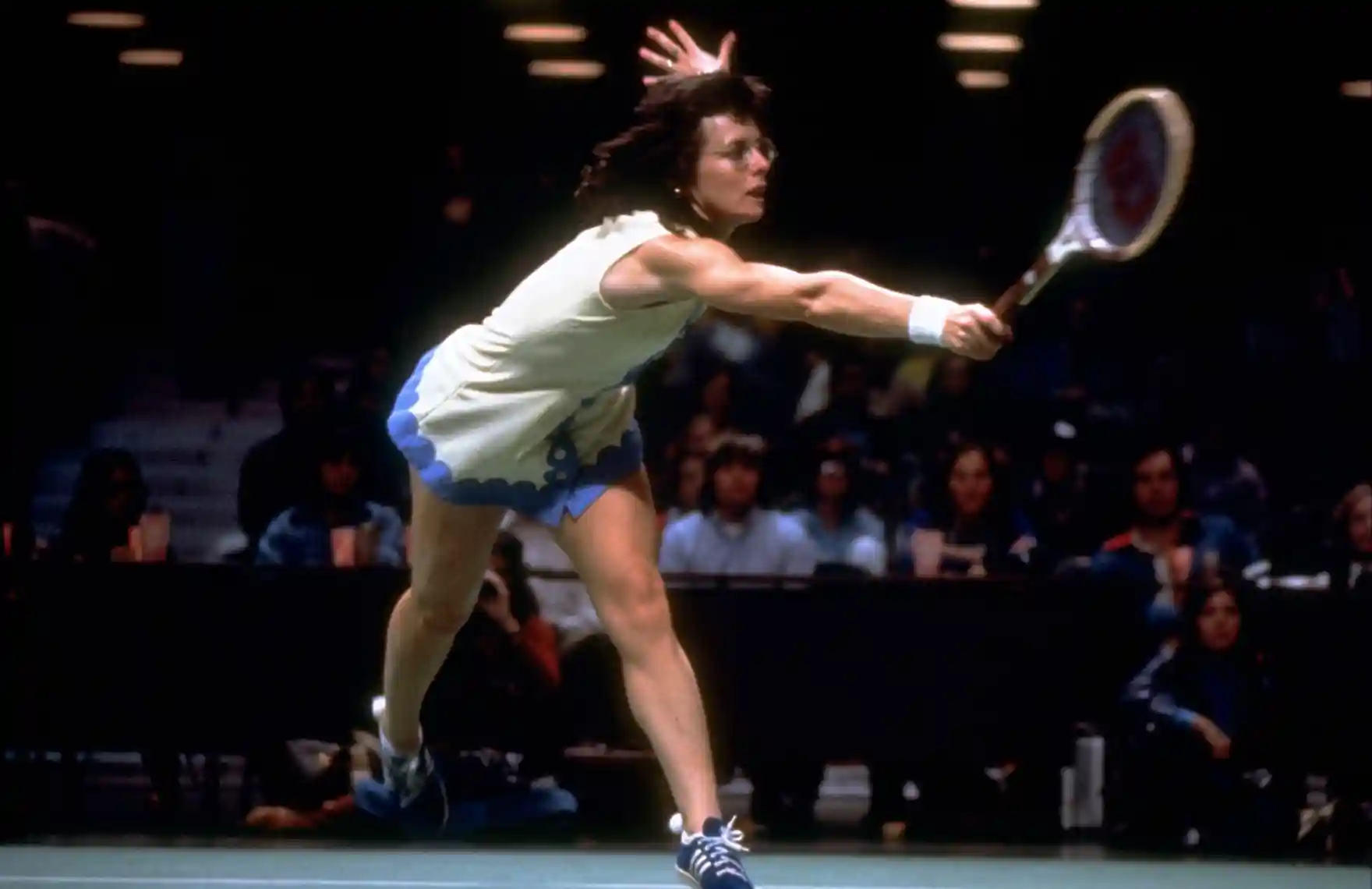
Billie Jean King has spent much of her life challenging expectations, breaking barriers and fighting for equality in sport. At 82, the former world No. 1 remains as determined and outspoken as ever, reflecting on her extraordinary tennis career, her personal struggles and the experiences that shaped her journey.
From helping establish professional opportunities for women in tennis to defeating Bobby Riggs in the historic Battle of the Sexes match, King has influenced generations of athletes. Her career includes 39 Grand Slam titles across singles, doubles and mixed doubles, along with 20 Wimbledon victories.
But her achievements extend far beyond the tennis court. King also faced difficult personal challenges, including years of hiding her sexuality, the public exposure of her relationship with Marilyn Barnett and the loss of major commercial endorsements after she came out publicly.
In a recent conversation, King reflected on those experiences, her relationship with wife Ilana Kloss, her continued involvement in social causes and her decision to return to university decades after leaving her history degree unfinished.
Billie Jean King Reflects on the Tennis Journey That Changed Her Life
King’s introduction to tennis came through her fifth-grade classmate Susan Williams in Long Beach, California. At the age of 11, King had already developed a love for sports, particularly basketball, but had never played tennis.
Williams introduced her to the sport with a simple explanation: players could run, jump and hit a ball. Those three activities immediately appealed to King, who quickly became passionate about tennis.
She soon began telling her parents that she wanted to become the world’s No. 1 player. That ambition eventually became reality, as King developed into one of the most successful athletes in tennis history.
Her parents played an important role in encouraging her sporting ambitions. At a time when opportunities for female athletes were limited, they supported her athletic interests just as much as they supported those of her brother, who later became a Major League Baseball pitcher.
King has never forgotten the people who helped her along the way. She continues to include Williams on her mental gratitude list, recognising that one childhood conversation introduced her to the sport that would define her life.
39 Grand Slam Titles and a Historic Fight for Equal Prize Money
Billie Jean King’s playing career established her as one of the greatest figures in tennis. She won 39 Grand Slam titles, including 12 singles championships, 16 doubles titles and 11 mixed doubles trophies.
Her achievements at Wimbledon were particularly remarkable. Across singles, doubles and mixed doubles, she collected 20 Wimbledon titles, a record matched only by Martina Navratilova.
However, King also recognised that sporting success alone was not enough to create equal opportunities for women. She became one of the leading voices in the campaign for equal prize money and better professional conditions for female tennis players.
In 1970, King and eight other women, later known as the Original 9, took a major step towards establishing an independent professional women’s tennis tour. The group signed symbolic contracts worth just $1 with World Tennis publisher Gladys Heldman as a protest against the significant difference between men’s and women’s prize money.
Their decision helped lay the foundations for the modern women’s professional tennis circuit. It was a defining moment in the fight for recognition, financial fairness and greater opportunities for female athletes.
Battle of the Sexes: The Match That Changed Women’s Tennis
One of the most important moments in King’s career came in 1973, when she faced Bobby Riggs in the famous Battle of the Sexes exhibition match.
Riggs had publicly described himself as a male chauvinist and challenged the status of women’s tennis. King accepted the challenge, and their match became a major cultural event that attracted attention far beyond the sporting world.
King defeated Riggs, creating a defining moment for women’s sport. The match became a symbol of the wider fight for gender equality and helped bring greater visibility to female athletes.
In the documentary Give Me the Ball!, King describes 1973 as the pivotal year in women’s tennis. However, she also explains that the period was emotionally difficult because she was struggling with her sexuality while her marriage to lawyer and sports promoter Larry King was becoming increasingly strained.
Her professional achievements were taking place alongside a deeply personal struggle that she felt unable to discuss publicly.
Billie Jean King Opens Up About Coming Out and Losing Endorsements
King’s journey towards publicly acknowledging her sexuality was complicated by the pressures surrounding women’s professional tennis at the time. She has explained that revealing she was a lesbian earlier in her career could have placed the future of the women’s tour at risk because sponsors might have withdrawn their support.
Her relationship with Los Angeles hairdresser Marilyn Barnett eventually became public after Barnett filed a lawsuit against her. Barnett threatened to make their love letters public if her demands for a share of King’s property and earnings were not met.
King believed the legal situation placed her in an impossible position. She had spent years protecting her privacy because she wanted to secure opportunities for female players, but the pressure eventually became too much.
She recalled reaching a point when she decided she could no longer continue hiding the truth.
“This has just gone on too long,” she remembers thinking. “I’m going to tell the truth. Screw this.”
In 1981, King publicly confirmed the nature of her relationship with Barnett during a press conference. The announcement had serious professional consequences, as she lost every endorsement overnight.
Despite the financial and professional impact, King has described the decision as an important moment because it brought an end to the lies she had been living with for years.
Her experience also highlighted the difficult environment faced by LGBTQ+ athletes during that period. King believed that being openly gay could have threatened the sponsorship support needed to build a professional women’s tennis tour.
Her Relationship With Larry King and Marriage to Ilana Kloss
King has spoken openly about the complicated relationship between her personal life and her marriage to Larry King. Although she eventually understood her sexuality differently, she has never dismissed the positive experiences they shared.
She explained that her love for Larry was one reason it took her so long to understand herself. She had first asked him for a divorce in 1969, but he did not agree until 1987.
King later began a relationship with former tennis player Ilana Kloss more than four decades ago. She has described Kloss as her lifelong partner and said she recognised the depth of their connection early in the relationship.
Although the couple did not initially plan a large wedding, they married in a small ceremony in 2018. King explained that the decision was important for both practical and personal reasons.
Marriage helped ensure that Kloss would be protected financially, but King also wanted to honour the people who had fought for same-sex marriage rights. She admitted that she had worried those rights could eventually be taken away.
King also revealed that she and Larry reached a positive understanding before his death earlier this year. She said he apologised, allowing them to achieve what she described as good closure.
Billie Jean King Discusses Body Image and Her Struggles With Eating
Beyond tennis and relationships, King has also spoken about her experiences with body image and binge-eating disorder. She believes some of her difficulties with eating developed from the emotional pressure surrounding her sexuality.
In recent years, she has discussed using small doses of GLP-1 medication to help manage intrusive thoughts around eating. She believes looking after personal health is important but is concerned about society’s expectations regarding how women and men should look.
King argues that people are often made to feel they must fit a particular physical ideal, even though they should be accepted as they are.
Her comments reflect a broader concern about the pressure placed on athletes and public figures to maintain a certain appearance. She believes health and body image should not be treated as the same thing as meeting unrealistic social expectations.
King Returns to University and Graduates With a History Degree
Even at 82, King continues to challenge herself outside sport. One of her recent achievements was returning to the history degree she had abandoned in 1964 and finally graduating earlier this year.
Her decision to return to university reflects her belief that learning should continue throughout life. King has said she enjoys working under pressure and remains interested in discovering new things.
She also explained that she deliberately avoided having too much control over the documentary Give Me the Ball!. In her view, documentaries about athletes and entertainers can become less effective when their subjects have too much influence over the final story.
The film therefore explores several difficult chapters of her life, including her abortion in 1971, the public exposure of her sexuality and the personal challenges she experienced during the early years of her career.
Billie Jean King Continues to Support LGBTQ+ Rights and Equality
King remains outspoken about equality and the rights of minority communities. She has expressed particular concern about the challenges facing transgender people and believes society needs to find ways to treat them with dignity and respect.
She acknowledges that questions surrounding transgender participation in elite sport are complicated and do not have easy solutions. However, she has emphasised that she wants transgender people to be treated fairly and allowed to live their lives without unnecessary hostility.
Her support for LGBTQ+ Rights has also shaped discussions about her involvement in tennis events in Saudi Arabia. In 2024, the Women’s Tennis Association held its Finals in Riyadh, prompting questions because same-sex sexual activity is criminalised in the country.
King has previously defended engagement as a way to encourage change, but she also acknowledged that the decision was difficult. Reflecting on the issue, she said she was not sure what she would have done if she had been responsible for making the final decision.
Her comments demonstrate the challenges involved when sporting organisations attempt to balance international engagement with human rights concerns.
Her One Big Regret: Not Having Children With Ilana Kloss
Despite everything she has achieved, King says she has one personal regret: she wishes she and Kloss had children together.
She explained that having a child as a same-sex couple was particularly difficult during the 1980s. Although they did not become parents, King and Kloss have remained closely connected to younger generations through their extended family and charitable work.
The couple have nieces and nephews, and they are also godparents to Larry King’s children from his second marriage.
Their work through the Women’s Sports Foundation and the Billie Jean King Foundation has provided another way to support young people and create opportunities for future generations.
King’s regret is therefore not about her professional achievements but about a personal experience she wishes had been possible during an important period of her life.
Billie Jean King’s Advice to the Next Generation
As she approaches her 83rd birthday, King remains aware that time is limited. She has admitted that she still has many things she wants to accomplish and feels frustrated by the thought that she may not have enough time to complete them all.
Her advice to young people is simple: understand what you enjoy and make it part of your everyday life.
King believes people should identify what they genuinely like doing and commit to it consistently. Her own journey is an example of that philosophy, beginning with a childhood introduction to tennis and developing into a lifetime of sporting achievements and activism.
She also continues to remember Susan Williams, the childhood friend who first introduced her to tennis. The two remain in contact, and King regularly reminds Williams how much that simple invitation changed her life.
For King, the story is about more than winning championships or changing professional sport. It is also about gratitude, courage, honesty and the people who help shape a person’s future.
Give Me the Ball! Documentary Celebrates Billie Jean King’s Legacy
The documentary Give Me the Ball! explores King’s life and the story of the Original 9, the women who helped establish the foundations of professional women’s tennis.
It also examines the events surrounding the Battle of the Sexes, King’s personal struggles and the fight for equal opportunities in sport. The film includes appearances from people connected to her journey, including Serena Williams, who recalls the impact of a tennis clinic King conducted in 1988.
King remembered working with Serena and Venus Williams when they were children. She was particularly impressed by Serena’s serve, even at the age of six, and encouraged her not to change it.
For King, seeing previously unseen footage from that clinic was another opportunity to reflect on the influence she has had on younger generations of players.
Give Me the Ball! is scheduled to stream on Disney+ from November 22 and will also be shown in selected cinemas, according to the supplied report.
At 82, Billie Jean King remains committed to the causes that have defined her life. Her story is one of sporting excellence, personal honesty and a determination to make opportunities better for those who follow. And while she may wish she had become a mother with Kloss, her influence on tennis and women’s sport has already reached generations far beyond her own family.
For breaking news and live news updates, like us on Facebook or follow us on Twitter and Instagram. Read more on Latest Sports on thefoxdaily.com.






COMMENTS 0