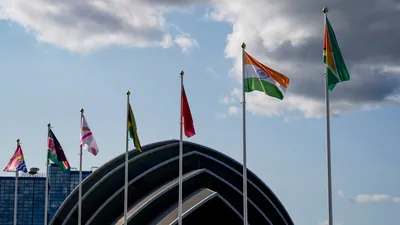
The Commonwealth Games 2026 officially begin in Glasgow, Scotland, marking the start of another important chapter in India’s sporting journey. With a 126-member contingent featuring Olympic and world-level athletes, India arrives with significant expectations and a strong tradition of success. The opening day may feature limited competitive action for Indian athletes, but it sets the stage for what could become another memorable campaign.
India has established itself as one of the Commonwealth Games’ most successful nations over the past two decades. Since 2002, the country has consistently finished among the top-performing nations, collecting medals across multiple sports and demonstrating growing depth in international competition. As Glasgow welcomes athletes from across the Commonwealth, Indian fans will once again be hoping for standout performances, breakthrough moments and another strong finish in the medal standings.
India’s Commonwealth Games Legacy: Why Expectations Are High
The Commonwealth Games have played a significant role in India’s sporting development. For many athletes, the event serves as a bridge between continental competitions and the Olympic Games. Over the years, Indian athletes have used the Commonwealth platform to gain valuable international experience while also delivering historic achievements.
India’s rise in the Games has been particularly impressive since the early 2000s. Consistent investments in sports infrastructure, athlete development programs and international exposure have helped transform the country’s competitive standards.
| Key Trend | India’s Performance |
|---|---|
| Commonwealth Games Appearances | 19th Appearance in 2026 |
| Recent Medal Consistency | 50+ medals in each of the last six editions |
| Regular Medal Table Finish | Top Five Since 2002 |
| Major Strengths | Weightlifting, Wrestling, Boxing, Athletics, Badminton, Lawn Bowls |
This consistency explains why expectations remain high despite the changing format and competitive challenges of Glasgow 2026.
Day 1 Schedule: Lawn Bowls Launches India’s Campaign
India’s sporting action begins with lawn bowls, a discipline that has gained substantial attention following the country’s breakthrough success at Birmingham 2022. What was once considered a niche sport suddenly became a major talking point after Indian athletes produced one of the biggest surprises in Commonwealth Games history.
On Day 1, India’s focus will be on two important matches that could provide early momentum for the contingent.
Women’s Pairs Sectional Play
Rupa Rani Tirkey & Pinki vs Connie and Rebecca Rixon (Malta)
The Indian pair enters the competition carrying valuable experience and confidence. Their involvement in India’s historic lawn bowls success has made them among the country’s most recognizable names in the sport. A strong start could immediately boost India’s chances of progressing deeper into the tournament.
Men’s Singles Sectional Play
Putul Sonowal vs Ryan Bester (Canada)
This match presents a much tougher challenge. Ryan Bester is widely regarded as one of the most accomplished lawn bowls athletes in the world. Competing against a reigning world champion offers Putul Sonowal an opportunity to test himself against elite opposition while potentially delivering one of the tournament’s early surprises.
Why Lawn Bowls Matters More Than Ever for India
Lawn bowls may not receive the same attention as cricket, athletics or badminton, but its importance within India’s Commonwealth Games strategy has grown significantly.
The breakthrough at Birmingham 2022 changed perceptions of the sport across the country. The gold-medal-winning performance demonstrated that Indian athletes could compete successfully in disciplines traditionally dominated by nations such as England, Australia, New Zealand and Scotland.
Success in lawn bowls also highlights a broader trend in Indian sports. Rather than relying solely on traditional strengths, the country is increasingly identifying opportunities in emerging and underrepresented disciplines. This diversification improves overall medal prospects and reduces dependence on a handful of sports.
A Historic First: Indoor Lawn Bowls at Glasgow 2026
One of the most unique features of the Glasgow Commonwealth Games is the decision to stage lawn bowls and para lawn bowls indoors.
Traditionally, lawn bowls competitions have been played on outdoor greens. Glasgow 2026 introduces portable indoor rinks inside the SEC Centre, creating a completely different competitive environment.
The change may appear minor to casual viewers, but athletes often spend years adapting to specific playing conditions. Indoor surfaces can influence bowl speed, line selection, strategy and overall match dynamics.
This innovation represents a broader effort to modernize event operations while ensuring greater consistency regardless of weather conditions. It may also serve as a blueprint for future multi-sport events seeking greater logistical flexibility.
Opening Ceremony: More Than Just a Celebration
While competitive action begins in lawn bowls, the spotlight for many Indian fans will be on the Opening Ceremony.
Major sporting events use opening ceremonies to showcase national identity, athlete achievements and the spirit of international competition. Glasgow’s ceremony is expected to combine Scottish cultural traditions with modern entertainment and athlete recognition.
For India, the ceremony will carry additional significance because two accomplished Olympians have been chosen for key ceremonial roles.
Mirabai Chanu Leads the Contingent
Olympic medallist Mirabai Chanu will carry the Indian flag during the athletes’ parade. Her selection reflects not only her sporting achievements but also her status as one of India’s most respected athletes.
Mirabai’s journey from a small village in Manipur to global weightlifting success has inspired countless young athletes. Her presence at the front of the Indian contingent symbolizes resilience, discipline and excellence.
Lovlina Borgohain Carries the King’s Baton
Olympic boxing medallist Lovlina Borgohain will carry the ceremonial King’s Baton during the parade.
The honor recognizes her contribution to Indian boxing and her role in elevating women’s participation in elite sports. Together, Mirabai and Lovlina represent a powerful message about the growing influence of women in Indian athletics.
India’s Biggest Medal Hopes at Commonwealth Games 2026
Although Day 1 features only a handful of events, the broader competition includes several Indian medal contenders across multiple disciplines.
- Neeraj Chopra – One of the world’s premier javelin throwers and among India’s strongest gold-medal hopes.
- Mirabai Chanu – A proven champion capable of adding another major international medal.
- Indian Boxers – Historically strong performers at the Commonwealth Games.
- Badminton Players – Consistent medal contributors in recent editions.
- Wrestlers – Traditionally among India’s most successful Commonwealth athletes.
- Lawn Bowls Team – Entering with increased expectations following previous success.
The combination of experienced stars and emerging talent gives India one of its most balanced Commonwealth squads in recent memory.
How Glasgow 2026 Differs from Previous Commonwealth Games
Every Commonwealth Games develops its own identity, and Glasgow 2026 is no exception.
This edition arrives during a period of significant change in international sport. Event organizers have focused on efficiency, sustainability and athlete experience. Several operational decisions, including indoor lawn bowls venues, reflect these priorities.
For athletes, adapting quickly to these changes could prove just as important as physical preparation. Nations capable of adjusting to new environments often gain a competitive edge during multi-sport competitions.
What Success Would Look Like for India
Success cannot be measured solely by gold medals. Modern sporting programs increasingly evaluate performance through broader indicators such as athlete development, depth of talent and future potential.
For India, Glasgow 2026 presents an opportunity to achieve several objectives simultaneously:
- Maintain a top-five finish in the medal table.
- Develop future Olympic contenders.
- Expand success into newer sports.
- Strengthen women’s participation and leadership.
- Build momentum ahead of future global competitions.
Achieving these goals would reinforce India’s status as one of the Commonwealth’s leading sporting nations.
The Bigger Picture: Why Commonwealth Games 2026 Matters for Indian Sport
The Commonwealth Games remain one of the most important international competitions for Indian athletes. Beyond medals and rankings, the event provides visibility, confidence and experience that often influence future Olympic and World Championship performances.
Young athletes gain exposure to high-pressure environments, while established stars use the Games to maintain competitive momentum. The tournament also inspires grassroots participation by showcasing successful athletes from diverse sporting backgrounds.
As India continues investing in sports development, performances in events like the Commonwealth Games provide valuable indicators of long-term progress.
Conclusion
India’s Commonwealth Games 2026 campaign begins with optimism, ambition and a strong sense of expectation. While Day 1 centers on lawn bowls action and the highly anticipated Opening Ceremony, it also marks the beginning of a larger mission for a contingent determined to continue the country’s impressive Commonwealth legacy.
With experienced champions, rising stars and growing strength across multiple sports, India enters Glasgow aiming not only to win medals but also to demonstrate the continued evolution of its sporting ecosystem. If recent trends are any indication, Indian fans can expect several memorable moments over the coming days as the nation pursues another successful Commonwealth Games campaign.
For breaking news and live news updates, like us on Facebook or follow us on Twitter and Instagram. Read more on Latest Sports on thefoxdaily.com.






COMMENTS 0