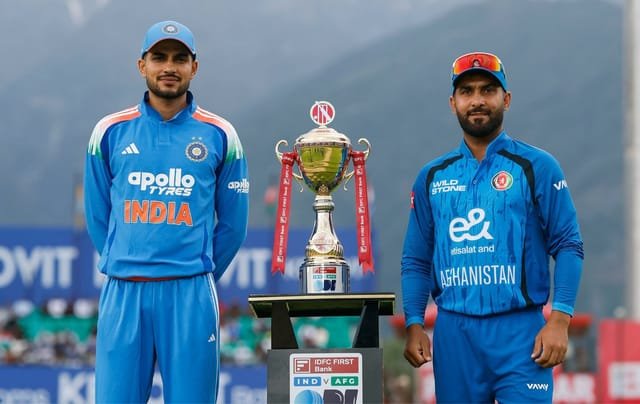
The first ODI between India and Afghanistan at the Himachal Pradesh Cricket Association Stadium in Dharamsala provided cricket fans with an entertaining blend of drama, records, individual brilliance, and tactical talking points. Although India secured a comfortable seven-wicket victory in the rain-shortened contest, the match produced several moments that dominated discussions among fans and experts alike.
From rahmanullah Gurbaz’s historic century to Shubman Gill’s all-round leadership display and a high-profile run-out involving Rohit Sharma, the game showcased why modern ODI cricket continues to captivate audiences worldwide. Beyond the scorecard, the match highlighted the importance of decision-making, adaptability, and individual brilliance in a format that is constantly evolving.
As India moves closer to building a settled squad for future ICC events and Afghanistan continues its rise among competitive ODI nations, the opening match offered valuable lessons and memorable moments that could shape the remainder of the series.
India vs Afghanistan 1st ODI: Match Overview
Persistent rain delayed the start of the match, resulting in a 25-over-per-side contest. India captain Shubman Gill won the toss and elected to bowl first, hoping to exploit favorable conditions in Dharamsala.
The decision paid immediate dividends as India’s bowlers struck early, reducing Afghanistan to a difficult position. However, Rahmanullah Gurbaz launched a stunning counterattack that completely changed the momentum of the innings.
| Match Detail | Result |
|---|---|
| Venue | HPCA Stadium, Dharamsala |
| Format | 25 Overs Per Side |
| Afghanistan Score | 194 All Out (24.5 Overs) |
| India Score | 195/3 (22.5 Overs) |
| Winning Margin | India Won by 7 Wickets |
| Player of the Match | Shubman Gill |
Afghanistan’s total was built almost entirely around Gurbaz’s remarkable century, while India relied on a composed chase led by Gill’s unbeaten 84. KL Rahul and Ishan Kishan provided valuable support as the hosts completed the target comfortably.
Three Moments That Defined the Match
While the contest featured numerous noteworthy performances, three moments stood out as defining episodes that generated significant buzz among cricket fans.
1. Rahmanullah Gurbaz Makes India Pay for a Costly DRS Miss
Every cricket match contains turning points, but few are as obvious as the one that unfolded during the third over of Afghanistan’s innings.
Arshdeep Singh trapped Rahmanullah Gurbaz on the pads and appealed confidently for an LBW decision. The umpire turned down the appeal, and despite visible confidence from the bowler, India decided not to use the Decision Review System.
Subsequent replays suggested that the ball would have gone on to hit the stumps, meaning Gurbaz could have been dismissed for just 14 runs.
Instead, the Afghan opener received a lifeline and transformed the match with one of the most explosive innings in the history of Afghanistan’s ODI cricket.
His century came in only 40 deliveries, making it the fastest ODI hundred by an Afghanistan batter. The innings showcased fearless strokeplay, intelligent shot selection, and an ability to capitalize on every scoring opportunity.
Why the DRS Moment Was So Significant
- Potential dismissal at 14 runs.
- Allowed Gurbaz to score a record-breaking century.
- Shifted momentum back toward Afghanistan.
- Highlighted the importance of review management in modern cricket.
Although India eventually won the match, the incident demonstrated how a single decision can dramatically influence the direction of a game.
2. Shubman Gill Produces a Stunning One-Handed Catch
Great catches often become defining visuals of a cricket match, and Shubman Gill delivered exactly that during Afghanistan’s innings.
In the 22nd over, Allah Ghazanfar attempted an aggressive shot against left-arm spinner Harsh Dubey. The ball took a thick top edge and flew quickly toward the slip cordon.
Reacting in a split second, Gill dived and completed a sensational one-handed catch that left teammates and spectators stunned.
The dismissal itself was important, but the catch carried greater significance because it reflected Gill’s growing influence as captain. Leadership in modern cricket extends beyond tactical decisions; captains are increasingly expected to lead through energy, athleticism, and performance.
Gill’s effort embodied all three qualities.
What Makes the Catch Special?
- Exceptional reflexes under pressure.
- Clean one-handed execution.
- Maintained India’s fielding intensity.
- Reinforced Gill’s impact as captain.
In an era where fielding standards continue to rise, moments like these often prove as valuable as quick runs or crucial wickets.
3. Rohit Sharma’s Frustrating Run-Out Sparks Discussion
The most emotionally charged moment of the match occurred during India’s chase.
Rohit Sharma appeared set for a fluent innings before a communication breakdown resulted in his dismissal. Attempting a quick single, Rohit found himself stranded after Shubman Gill was temporarily blocked by the bowler’s follow-through.
As Rohit turned back, Afghanistan reacted quickly. Rashid Khan’s throw reached the wicketkeeper in time to complete the run-out.
Despite a desperate dive, Rohit was comfortably short of his crease.
Television cameras captured the veteran batter’s visible frustration as he walked back to the pavilion. The incident quickly became one of the most talked-about moments of the match, generating widespread reactions across social media.
Why the Run-Out Generated So Much Attention
- Involved two of India’s biggest stars.
- Occurred during a straightforward chase.
- Highlighted the importance of communication between batters.
- Produced a rare display of visible frustration from Rohit Sharma.
Run-outs remain among cricket’s most avoidable dismissals, making them particularly frustrating for players and fans alike.
Shubman Gill Continues to Strengthen His Leadership Credentials
While individual moments grabbed headlines, the broader story of the match was Shubman Gill’s continued growth as a leader.
His unbeaten 84 guided India through the chase with minimal drama, while his fielding effort and captaincy decisions demonstrated his increasing comfort in a leadership role.
India’s management appears committed to building the future around Gill, and performances like this justify that confidence.
The ability to contribute across multiple facets of the game is increasingly becoming a hallmark of elite captains. Gill’s performance reflected those qualities perfectly.
Afghanistan’s Biggest Positive: They Remain a Dangerous ODI Side
Despite defeat, Afghanistan can take several positives from the opening ODI.
Gurbaz’s century reinforced the team’s batting potential, while the bowling unit continued to show flashes of quality despite defending a below-par total.
Over the past decade, Afghanistan has evolved from an emerging cricket nation into a legitimate competitor capable of challenging established teams.
Matches like this demonstrate that the gap between traditional powerhouses and rising nations continues to narrow.
Key Takeaways from the First ODI
| Talking Point | Impact |
|---|---|
| Missed DRS Review | Allowed Gurbaz to score a historic century |
| Gill’s Leadership | Strengthened his credentials as India’s captain |
| Rohit Run-Out | Became the most discussed moment of India’s chase |
| Afghanistan’s Fightback | Showed resilience despite early setbacks |
| India’s Bench Strength | Young players contributed significantly |
What This Means for the Rest of the Series
India enters the second ODI with confidence after a convincing victory, but the opening match also exposed areas that require improvement. Decision-making around reviews, communication between batters, and finishing opposition innings more efficiently remain important considerations.
For Afghanistan, the challenge will be finding greater support for Gurbaz and converting individual brilliance into team success. If the middle order can contribute more consistently, the visitors have the talent to compete strongly in the remaining matches.
The first ODI may have ended with a comfortable Indian victory, but the contest revealed enough intrigue to suggest the series is far from predictable.
Conclusion
India’s seven-wicket win over Afghanistan in the first ODI was ultimately defined by three unforgettable moments: Rahmanullah Gurbaz’s remarkable century following a missed DRS opportunity, Shubman Gill’s spectacular one-handed catch, and Rohit Sharma’s frustrating run-out.
Beyond those highlights, the match showcased India’s depth, Afghanistan’s growing competitiveness, and the fine margins that often determine outcomes in modern cricket.
As the series progresses, fans will remember Dharamsala not just for the result, but for the drama, skill, and talking points that made the opening ODI one of the most memorable limited-overs contests of the season.
For breaking news and live news updates, like us on Facebook or follow us on Twitter and Instagram. Read more on Latest Sports on thefoxdaily.com.






COMMENTS 0