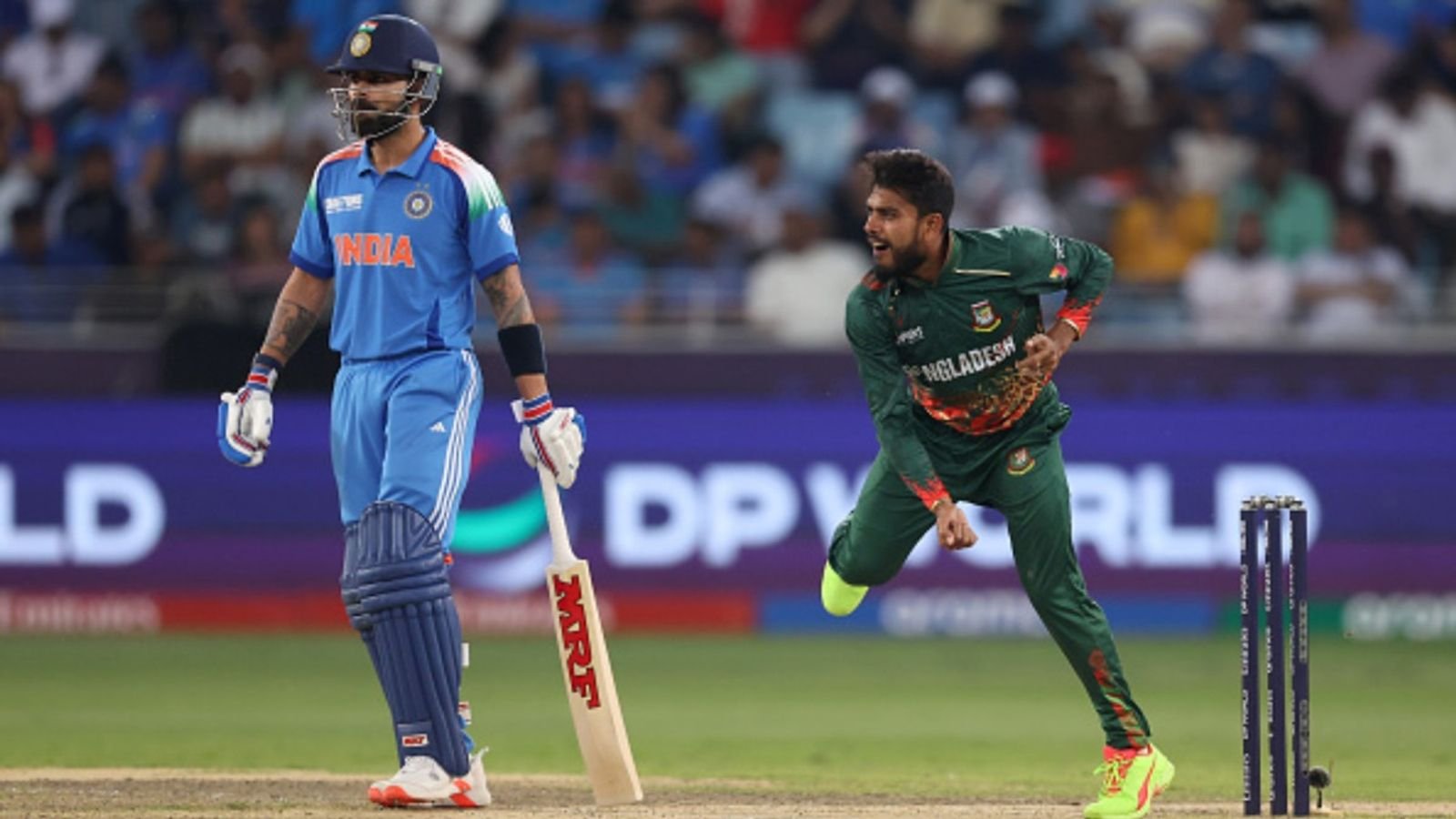
India’s proposed white-ball tour of Bangladesh is emerging as one of the most significant developments in international cricket scheduling this year. While official confirmation is still awaited, growing optimism from the Bangladesh Cricket Board (BCB) suggests that the series is edging closer to reality. If approved, the tour will not only strengthen cricketing ties between the two neighboring nations but also trigger changes to India’s existing international commitments, including the rescheduling of a T20I series against Afghanistan.
At first glance, a scheduling adjustment may appear routine. However, the potential Bangladesh tour carries wider implications involving bilateral relations, player workload management, commercial interests, regional cricket development, and India’s preparation strategy ahead of future ICC events.
Why the India-Bangladesh Series Matters Beyond Cricket
Whenever India participates in an overseas bilateral series, the impact extends far beyond the cricket field. India’s presence significantly boosts television ratings, digital engagement, sponsorship revenue, ticket sales, and international visibility for host nations.
For Bangladesh, hosting India represents one of the biggest opportunities in world cricket. Matches involving India consistently attract massive audiences across Asia, creating substantial economic and commercial benefits for cricket boards.
The proposed series is expected to include limited-overs matches, providing both teams an opportunity to test combinations, evaluate emerging players, and fine-tune strategies in competitive conditions.
From India’s perspective, the tour offers valuable overseas experience in familiar subcontinental conditions while maintaining competitive cricket between major ICC tournaments.
The Scheduling Challenge Facing the BCCI
The modern cricket calendar is more crowded than ever. International commitments, domestic leagues, franchise tournaments, ICC competitions, and player workload concerns make scheduling increasingly complicated.
India’s cricket schedule already includes multiple assignments across formats. Finding room for an additional bilateral series requires careful planning and coordination with several stakeholders.
Reports indicate that India’s T20I series against Afghanistan may move from its originally planned window to accommodate the Bangladesh tour. While the adjustment appears minor on paper, it highlights the logistical complexity of managing international cricket in an era where elite players are active almost throughout the year.
| Series | Original Window | Potential Change | Reason |
|---|---|---|---|
| India vs Afghanistan T20Is | Mid-September | Possible delay of a few days | Accommodation of Bangladesh tour |
| India vs Bangladesh White-Ball Series | Under discussion | Likely September window | Calendar adjustment |
| India vs Sri Lanka Tests | August Schedule | No major change expected | Existing commitment |
India-Bangladesh Cricket Rivalry Has Grown Significantly
Although India has traditionally dominated the rivalry, Bangladesh has evolved into a highly competitive cricket nation over the last decade.
The contests between the two sides are no longer viewed as one-sided affairs. Bangladesh has produced several memorable performances against India in both ODI and T20 formats, creating a more competitive and engaging rivalry.
The passionate fan bases of both countries further elevate the significance of every encounter. Stadium atmospheres, television viewership, and social media discussions often rival those seen in major ICC tournaments.
This growing competitiveness makes another bilateral series particularly attractive for broadcasters and cricket administrators.
How the Tour Could Benefit Team India
One of the biggest advantages of a Bangladesh tour is the opportunity to expand India’s player pool.
India currently possesses one of the deepest talent pipelines in world cricket. However, identifying future stars requires regular international exposure.
A white-ball series provides selectors with a valuable platform to:
- Assess emerging players under international pressure.
- Experiment with squad combinations.
- Evaluate backup options for key positions.
- Manage workloads of senior players.
- Prepare for future ICC competitions.
With major global tournaments on the horizon, every international series becomes an important piece of the larger strategic puzzle.
Afghanistan’s Rising Importance in International Cricket
The proposed rescheduling also highlights Afghanistan’s growing stature in world cricket.
Not long ago, Afghanistan was viewed primarily as an emerging nation. Today, they are capable of challenging elite teams across formats and have produced world-class players who compete in major leagues around the globe.
Their spin-heavy attack, fearless batting approach, and improving cricket infrastructure have transformed them into a respected international side.
For India, a T20I series against Afghanistan offers a completely different challenge compared to Bangladesh. Afghanistan’s style mirrors many of the conditions and tactical scenarios teams encounter during ICC tournaments in Asia.
As a result, even a slight rescheduling requires careful planning to ensure both competitive integrity and adequate preparation time.
The Business Side of International Cricket
Behind every bilateral series lies a significant commercial ecosystem.
Broadcast rights, sponsorship agreements, advertising partnerships, hospitality packages, ticket sales, and digital content revenue collectively generate millions of dollars.
India’s participation dramatically increases the financial value of any cricket series.
For cricket boards operating in an increasingly competitive sports landscape, hosting India can provide a major economic boost that supports grassroots programs, infrastructure development, and long-term strategic investments.
This financial reality explains why securing India’s availability often becomes a top priority for many cricketing nations.
The Diplomatic Dimension of Cricket Relations
Cricket has historically served as more than just a sporting contest in South Asia. Bilateral series frequently reflect broader regional relationships and cultural connections.
The renewed effort to organize matches between India and Bangladesh demonstrates how cricket can help strengthen sporting cooperation and foster positive engagement.
Sports diplomacy has played an important role throughout cricket history, and successful bilateral tours often contribute to stronger institutional relationships between cricket boards.
For Bangladesh’s cricket administration, successfully hosting India would represent an important achievement both operationally and symbolically.
Player Workload Remains a Growing Concern
One issue that cannot be ignored is player workload.
Modern cricketers face unprecedented physical and mental demands. International matches, franchise leagues, travel commitments, training sessions, and recovery requirements create an intense year-round schedule.
Fast bowlers are particularly vulnerable to injuries when workloads become excessive.
Consequently, scheduling decisions increasingly involve sports science teams, medical staff, performance analysts, and workload specialists.
The BCCI’s approach to balancing the Bangladesh tour and Afghanistan series will likely reflect a broader commitment to preserving player fitness while maintaining competitive standards.
What Fans Can Expect If the Tour Is Confirmed
If the series receives final approval, cricket fans can expect several intriguing storylines.
- Potential opportunities for young Indian players.
- Competitive white-ball contests in subcontinental conditions.
- Important preparation matches ahead of future tournaments.
- Strong television and digital audience engagement.
- Renewed focus on the evolving India-Bangladesh rivalry.
Fans may also witness tactical experimentation as team management evaluates various combinations and squad structures.
A Comparison With Previous Scheduling Adjustments
Cricket history is filled with examples of schedules being modified to accommodate high-profile bilateral series.
As the global cricket calendar becomes increasingly crowded, flexibility has become a necessity rather than an exception.
What makes the current situation notable is the balancing act required among three different priorities:
- India’s commitment to Bangladesh.
- The existing Afghanistan series.
- Player workload management.
Successfully navigating these challenges would demonstrate the growing sophistication of cricket administration in the modern era.
The Bigger Picture for Asian Cricket
The potential Bangladesh tour also reflects the growing strength of cricket within Asia.
India, Bangladesh, Afghanistan, Sri Lanka, and other regional teams continue to drive the sport’s popularity and commercial growth.
Regular bilateral competition helps strengthen cricket ecosystems, improve playing standards, and create more opportunities for players across the region.
As cricket expands globally, maintaining strong regional rivalries remains essential for the sport’s long-term success.
Prediction: Why the Tour Is Likely to Happen
Although official approval remains pending, several factors suggest optimism surrounding the series is justified.
The commercial value of the tour, the cricketing benefits for both teams, the manageable scheduling adjustments required, and the positive intent expressed by stakeholders all point toward a favorable outcome.
While final logistical details still need to be resolved, the momentum appears to be moving toward confirmation rather than cancellation.
If that happens, the Afghanistan series will likely proceed with only minor changes, allowing India to fulfill both commitments without major disruption.
Conclusion
India’s proposed white-ball tour of Bangladesh is much more than a routine bilateral assignment. It represents a significant opportunity for competitive cricket, regional cooperation, commercial growth, and squad development. The likely rescheduling of the Afghanistan T20I series highlights the challenges of managing an increasingly crowded international calendar, but it also demonstrates the flexibility required in modern cricket administration.
Should the tour receive final approval, it could become one of the most important bilateral engagements of the season, offering valuable preparation for players, financial benefits for stakeholders, and exciting contests for millions of cricket fans across the world. With discussions reportedly progressing positively, attention now shifts to the official decision that could reshape India’s cricket schedule for the months ahead.
For breaking news and live news updates, like us on Facebook or follow us on Twitter and Instagram. Read more on Latest Sports on thefoxdaily.com.






COMMENTS 0