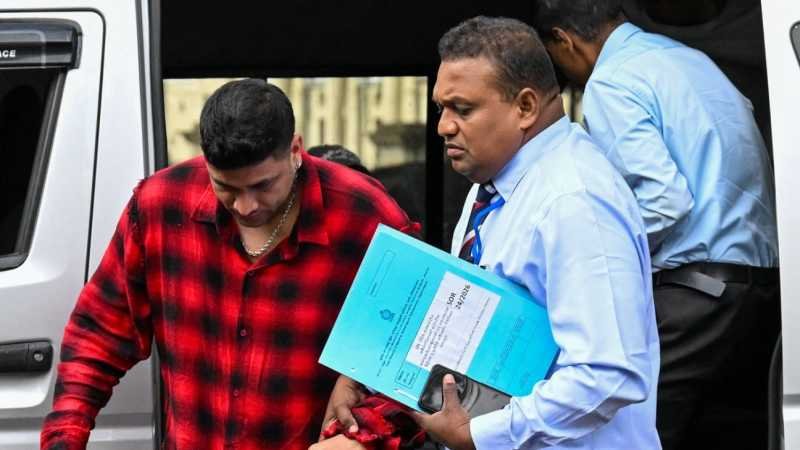
The Lanka Premier League (LPL) has found itself at the center of a major off-field controversy after franchise rights holder Innovative Production Group (IPG) and Sri Lanka Cricket (SLC) officially terminated Sports Commune’s ownership of the Jaffna Kings. While league officials have moved quickly to ensure the team continues participating in the tournament, the incident has exposed the challenges that can emerge when financial instability collides with professional sport.
At first glance, the story appears to be a straightforward ownership dispute. However, a deeper examination reveals a much larger issue involving franchise governance, financial accountability, player welfare, and the long-term sustainability of emerging cricket leagues.
For the Lanka Premier League, the handling of this crisis may ultimately prove as important as the cricket being played on the field.
Why the Jaffna Kings Situation Has Become a Major LPL Story
Ownership disputes are not uncommon in professional sports, but mid-season franchise intervention is relatively rare.
The Jaffna Kings have been one of the most recognizable and successful teams in the Lanka Premier League. As a result, any disruption involving the franchise inevitably attracts significant attention from players, sponsors, broadcasters, and supporters.
The decision to terminate Sports Commune’s ownership reportedly stemmed from an inability to meet contractual financial obligations. Once those obligations were not fulfilled, league authorities were forced to intervene to protect the competition and ensure that operational commitments could continue.
The speed of the response suggests that organizers viewed the situation as a serious threat to the stability of the tournament.
What Exactly Happened?
The crisis emerged after the franchise’s financial framework reportedly broke down.
Under the existing structure, sponsorship funds flowed through franchise ownership before being distributed toward salaries and operational commitments. When that system stopped functioning effectively, financial obligations to players and support staff were affected.
The issue became publicly visible when players appeared with sponsor logos covered during a league match, signaling deeper financial and administrative concerns within the franchise.
That moment transformed what might have remained an internal business dispute into a highly visible cricketing controversy.
League officials subsequently stepped in to restore operational stability and prevent disruption to the tournament.
Why Player Salary Issues Are So Serious in Modern Franchise Cricket
In professional sports, few issues generate more concern than uncertainty regarding player payments.
Franchise leagues rely heavily on trust. Players agree to contracts with the expectation that salaries, bonuses, accommodation, travel arrangements, and other commitments will be fulfilled according to agreed timelines.
When payment concerns emerge, the consequences can extend far beyond a single team.
- Player confidence can be affected.
- International recruitment becomes more difficult.
- Sponsors may become cautious.
- The league’s reputation can suffer.
- Future investors may demand additional guarantees.
For that reason, rapid intervention from league authorities is often essential whenever financial instability threatens competitive integrity.
How Sri Lanka Cricket and IPG Responded
The response from Sri Lanka Cricket and IPG was designed to ensure continuity.
Rather than allowing uncertainty to derail the tournament, both organizations moved to assume operational control of the franchise.
This included responsibility for:
- Player contracts.
- Coaching staff agreements.
- Support staff commitments.
- Team logistics.
- Tournament participation.
The primary objective was clear: ensure that the Jaffna Kings could continue competing without affecting the overall structure of the Lanka Premier League.
Such interventions are uncommon but sometimes necessary to preserve the credibility of professional sporting competitions.
Why Maintaining the Jaffna Kings Brand Matters
One notable aspect of the decision is that the team will continue operating under the Jaffna Kings identity.
From a business perspective, this is highly significant.
Sports franchises build value through brand recognition, fan loyalty, regional identity, and competitive history. Changing a team’s name or removing it from the competition entirely could have created confusion and potentially damaged supporter engagement.
By preserving the franchise identity while changing ownership control, league officials have attempted to separate operational problems from the team’s sporting legacy.
This approach helps maintain continuity for fans while reducing disruption to the tournament.
The Bigger Challenge Facing Emerging T20 Leagues
The Jaffna Kings situation highlights a challenge facing many developing franchise tournaments around the world.
While leagues often focus on attracting star players and securing broadcast agreements, long-term success depends equally on strong governance systems.
Several cricket leagues globally have experienced ownership disputes, financial disagreements, or franchise restructuring during their development phases.
These incidents often serve as reminders that sustainable growth requires more than commercial success.
Key pillars include:
- Financial transparency.
- Ownership vetting.
- Contract enforcement.
- Risk management.
- Player protection mechanisms.
The stronger these systems become, the more resilient a league becomes during periods of uncertainty.
The Evolution of the Lanka Premier League
Since its launch, the Lanka Premier League has steadily established itself as an important competition within the global T20 calendar.
The tournament has helped:
- Develop Sri Lankan cricket talent.
- Provide opportunities for emerging players.
- Attract international stars.
- Generate commercial revenue.
- Expand cricket’s entertainment appeal.
Each successful season has contributed to the league’s growing reputation.
That is precisely why organizers were keen to prevent a single franchise issue from overshadowing the entire competition.
How Franchise Ownership Models Work in Cricket
To understand why the Jaffna Kings situation matters, it is helpful to examine how franchise cricket operates.
Unlike traditional domestic teams owned directly by governing bodies, franchise teams are generally operated by private ownership groups that invest capital in exchange for commercial rights.
These rights often include:
- Brand ownership.
- Sponsorship opportunities.
- Merchandise revenue.
- Ticket-related income.
- Commercial partnerships.
In return, owners are expected to fulfill financial commitments and comply with league regulations.
When those obligations are not met, governing bodies may intervene to protect the competition.
| Stakeholder | Primary Responsibility |
|---|---|
| Franchise Owners | Funding and operational management |
| League Organizers | Tournament governance and oversight |
| Cricket Board | Regulatory support and integrity protection |
| Players | Professional performance under contract |
| Sponsors | Commercial investment and brand partnerships |
| Fans | Audience engagement and support |
Why This Incident Could Lead to Stronger Governance Reforms
Major controversies often become catalysts for change.
Sports administrators frequently review regulations after high-profile incidents to reduce the risk of similar situations occurring in the future.
The Jaffna Kings case may encourage discussions around:
- Stricter ownership screening.
- Enhanced financial reporting requirements.
- Escrow systems for player salaries.
- Independent auditing mechanisms.
- Additional franchise compliance standards.
If implemented effectively, such measures could strengthen the overall structure of the Lanka Premier League.
The Importance of Protecting Players During Ownership Crises
One aspect often overlooked during ownership disputes is the human impact.
Professional cricketers depend on contractual stability to focus entirely on performance.
Uncertainty regarding salaries or operational arrangements can create unnecessary distractions during a tournament.
The decision to prioritize outstanding payments and maintain existing contracts appears aimed at minimizing disruption for players and support staff.
Maintaining confidence among participants is essential for preserving competitive standards.
How Other Sports Have Handled Similar Situations
The challenges facing the Jaffna Kings are not unique to cricket.
Football, basketball, baseball, and other franchise-based sports have experienced ownership crises at various points.
Successful interventions generally follow a common pattern:
- Protect the competition.
- Protect players and employees.
- Stabilize financial operations.
- Maintain fan confidence.
- Identify long-term ownership solutions.
The actions taken by IPG and Sri Lanka Cricket closely align with these principles.
Their focus appears to be ensuring immediate stability before addressing longer-term franchise questions.
What Happens Next for the Jaffna Kings?
In the short term, the priority is straightforward: continue competing in the Lanka Premier League without disruption.
League officials have made it clear that the team’s participation, squad composition, and tournament schedule will remain unchanged.
Beyond the current season, however, important questions remain.
Will new investors emerge?
Will ownership be restructured?
Could the franchise operate under a revised commercial model?
The answers will likely shape the future direction of one of the league’s most prominent teams.
Why the LPL’s Reputation Is Also on the Line
Every major sports league is judged not only by its successes but also by how effectively it responds to crises.
The true test of governance often comes during periods of instability.
If the Lanka Premier League successfully navigates this challenge while protecting players, sponsors, and fans, the competition could emerge stronger.
Demonstrating an ability to enforce rules and maintain operational continuity sends an important message to future investors and commercial partners.
Strong governance is increasingly viewed as a competitive advantage in modern sports.
Could This Become a Defining Moment for the League?
Many sports organizations experience defining moments that influence their future trajectory.
While ownership controversies are rarely welcome, they can sometimes accelerate reforms that improve long-term sustainability.
The Jaffna Kings situation may ultimately be remembered not for the crisis itself but for how effectively it was managed.
If governance standards improve and financial safeguards become stronger, the episode could mark an important turning point in the evolution of the Lanka Premier League.
Conclusion: A Critical Test of Franchise Cricket Stability
The termination of Sports Commune’s ownership of the Jaffna Kings represents one of the most significant off-field developments in Lanka Premier League history. While the immediate challenge centered on financial obligations and operational continuity, the broader implications extend to governance, investor confidence, and the future structure of franchise cricket.
By stepping in quickly, IPG and Sri Lanka Cricket have prioritized tournament stability, player welfare, and competitive integrity. The decision ensures that the Jaffna Kings remain active participants while broader ownership issues are addressed.
As the league moves forward, this episode will likely serve as a valuable case study in crisis management. More importantly, it may encourage reforms that strengthen the foundation of the Lanka Premier League and help ensure sustainable growth in the years ahead.
For breaking news and live news updates, like us on Facebook or follow us on Twitter and Instagram. Read more on Latest Sports on thefoxdaily.com.



COMMENTS 0