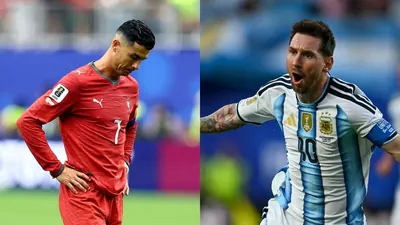
The Lionel Messi vs Cristiano Ronaldo debate has entered another fascinating chapter at the 2026 FIFA World Cup. While both football icons continue to represent their countries at the highest level well into their late careers, their tournaments have unfolded in dramatically different ways. Argentina have looked every bit like defending champions with Messi leading from the front, while Portugal have struggled to convince despite progressing to the knockout rounds.
Former England international John Barnes believes the contrast is not simply about goals or individual performances. Instead, he argues that leadership style, dressing-room relationships and team harmony have played a major role in shaping each nation’s campaign. His observations have reignited discussion about how elite captains influence a team’s mentality during football’s biggest tournament.
With the knockout rounds set to test every contender, the performances of Messi and Ronaldo will once again be under intense global scrutiny as two legendary careers continue to shape World Cup history.
John Barnes Highlights the Difference Between Messi and Ronaldo
Barnes believes Portugal possess one of the strongest squads in international football, but questions whether balancing the influence of Cristiano Ronaldo and Bruno Fernandes has become one of manager Roberto Martinez’s biggest tactical challenges.
“Portugal have incredible footballers. Bruno Fernandes believes he’s the most important player, but so does Cristiano Ronaldo, and that’s a problem the manager has to overcome.”
His comments suggest Portugal’s biggest challenge may not be individual quality but ensuring that multiple star players operate within a clear tactical structure while sharing leadership responsibilities.
Argentina’s Success Built Around Collective Belief
Barnes contrasted Portugal’s situation with Argentina, praising the atmosphere surrounding Lionel Messi and the defending world champions.
“The players accept him and he accepts the players. Messi doesn’t have to run around too much, but his teammates don’t mind because they love him. He’s humble, he respects them, and they’re playing for Messi.”
According to Barnes, mutual trust between Messi and his teammates has created an environment where every player understands his role. Rather than relying solely on individual brilliance, Argentina’s system emphasizes teamwork while allowing their captain to influence matches in decisive moments.
Messi and Ronaldo’s World Cup 2026 Comparison
| Category | Lionel Messi | Cristiano Ronaldo |
|---|---|---|
| Country | Argentina | Portugal |
| Age | 39 | 41 |
| Goals | 6 | 2 |
| Group Stage Performance | Outstanding | Mixed |
| Team Position | Knockout Stage | Knockout Stage |
| Current Narrative | Golden Boot contender | Leadership under scrutiny |
Lionel Messi Continues to Lead by Example
Messi has enjoyed one of the finest starts to a FIFA World Cup campaign in his career. His six goals in three matches have placed him among the tournament’s leading scorers while helping Argentina continue their title defence with confidence.
Beyond the statistics, Messi’s influence has extended to Argentina’s overall style of play. His movement, passing and decision-making allow younger teammates to flourish while maintaining tactical balance throughout matches.
The captain’s calm leadership has also helped Argentina navigate pressure situations without losing composure, an important quality during knockout football.
Portugal Searching for Greater Consistency
Portugal entered the tournament as one of Europe’s strongest squads but have yet to produce their most convincing football.
After defeating Uzbekistan, draws against DR Congo and Colombia left Roberto Martinez’s side finishing second in the group, increasing the difficulty of their knockout path.
Although Ronaldo scored twice during the group stage, Portugal’s attack has often struggled to create sustained momentum against organized opponents.
Improving attacking fluidity will be essential if Portugal hope to compete with the tournament’s leading contenders.
Leadership Is About More Than Statistics
One of Barnes’ central arguments is that captaincy cannot be measured solely through goals or assists.
Successful international leaders often contribute by:
- Maintaining dressing-room unity.
- Building confidence among teammates.
- Remaining composed under pressure.
- Supporting younger players.
- Setting tactical and professional standards.
While every captain leads differently, Barnes believes Argentina’s environment currently appears more unified than Portugal’s.
Can Portugal Build Around More Than One Star?
Modern international football increasingly rewards balanced teams rather than squads dependent on one individual.
Portugal possess outstanding talent across midfield, defence and attack. Players such as Bruno Fernandes and several younger stars are capable of influencing matches alongside Ronaldo rather than behind him.
Finding that balance could become Roberto Martinez’s most important tactical objective during the knockout rounds.
If Portugal successfully distribute responsibility across the squad, they may become significantly more unpredictable in attack.
The Knockout Stage Changes Everything
Group-stage performances often provide only part of the story.
Knockout football demands composure, tactical discipline and the ability to seize decisive moments. Teams capable of managing pressure usually progress regardless of earlier criticism.
Both Argentina and Portugal therefore enter the next phase with opportunities to strengthen their World Cup campaigns, although expectations differ considerably given their group-stage displays.
Why Team Chemistry Matters in Major Tournaments
Football history repeatedly shows that successful World Cup teams combine individual brilliance with collective understanding.
Players who trust one another defensively and offensively often outperform technically superior squads lacking cohesion. Communication, shared responsibility and emotional stability become increasingly valuable as tournaments progress.
That broader perspective explains why discussions surrounding leadership remain so important despite the focus on goals and statistics.
Can Messi and Ronaldo Add Another Historic Chapter?
Both football legends continue chasing milestones that could further define their extraordinary international careers.
Messi is pursuing another World Cup title while leading the race for the Golden Boot. Ronaldo, meanwhile, seeks to inspire Portugal to their first FIFA World Cup triumph and further extend one of football’s most remarkable careers.
Regardless of the debate surrounding their leadership styles, both remain capable of producing match-winning moments on the biggest stage.
Conclusion
John Barnes’ assessment of Lionel Messi and Cristiano Ronaldo shifts attention away from statistics and toward one of football’s most important qualities—leadership. While Messi has guided Argentina with outstanding performances and strong team chemistry, Portugal continue searching for the ideal balance between Cristiano Ronaldo’s experience and the collective strengths of an exceptionally talented squad.
As the FIFA World Cup 2026 enters its knockout phase, both captains will have fresh opportunities to answer questions on the pitch. Messi aims to continue Argentina’s title defence with another inspirational campaign, while Ronaldo hopes to silence critics by leading Portugal deep into the tournament. Whatever unfolds next, the contrasting journeys of two football icons will remain one of the defining stories of this World Cup.
For breaking news and live news updates, like us on Facebook or follow us on Twitter and Instagram. Read more on Latest Sports on thefoxdaily.com.





COMMENTS 0