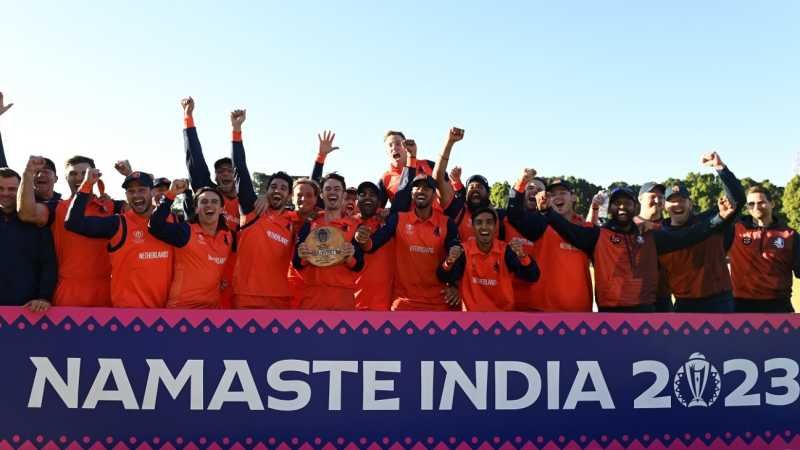
Scotland and the Netherlands have publicly criticised the International Cricket Council (ICC) over the decision to alter the structure of the 2027 Men’s ODI World Cup with less than 18 months remaining before the tournament. The two Associate Members have also expressed frustration at what they describe as a lack of communication from the governing body following discussions about the changes.
The ICC introduced a new Super Series stage last month, changing the qualification pathway for the 2027 ODI World Cup. The decision has triggered concerns among Associate nations, who believe that changing the competition structure during an ongoing qualification cycle could create uncertainty and place additional pressure on teams with fewer resources.
Scotland and Netherlands question ICC’s World Cup format decision
Under the revised structure, the 12th, 13th and 14th qualifying teams will compete in a tri-series known as the Super Series. Only one of those three teams will advance to the next stage of the World Cup.
The second round will feature 12 teams divided into two groups. The introduction of this additional stage has prompted strong reactions from Associate Members, particularly because the qualification process was already well underway when the changes were announced.
Cricket Scotland and the Royal Dutch Cricket Association (KNCB) said they held two meetings with the ICC alongside other Associate boards. They sought written communication explaining the changes and greater clarity about the decision-making process.
According to the joint statement, the second meeting took place more than two weeks before the statement was issued, but the boards said they had received no further response from the ICC.
Associate boards call ICC response disappointing and disrespectful
The two boards described the lack of follow-up as disappointing and disrespectful given the significance of the changes. They argued that the revised format could negatively affect the development of Associate cricket at a time when the sport is attempting to expand its global footprint.
“These changes represent a setback to Associate Member cricket and risk undermining the progress made in recent years to grow the global game,” the boards said.
Scotland and the Netherlands also argued that reducing meaningful opportunities for emerging cricket nations sends the wrong message about the sport’s ambition to become more global.
The boards emphasised that they remain willing to work with the ICC and other members but want greater transparency around major decisions affecting Associate nations.
Why the timing of the World Cup format change has caused concern
One of the biggest issues raised by Scotland and the Netherlands is the timing of the format alteration. With less than 18 months remaining before the 2027 World Cup, Associate nations have limited time to understand the implications and adjust their planning.
The joint statement argued that major decisions affecting qualification pathways should involve meaningful consultation and provide sufficient notice to the teams involved.
The boards also pointed out that the qualification process was already close to completion when the changes were announced. That, they believe, makes the decision particularly disruptive for teams that had spent years preparing for the existing pathway.
ODI World Cup qualification pathway already underway
The timing of the ICC’s decision is significant because the World Cup League 2 cycle was nearing its conclusion when the format change was introduced.
USA, Scotland, Netherlands and Oman secured places in the ODI World Cup Qualifier through League 2. Meanwhile, Namibia, Canada, Nepal and UAE moved into the eight-team World Cup Qualifier Play-off.
The top four teams from the Play-off will advance to the global qualifier scheduled for February 2027. The changes to the World Cup structure therefore affect teams that had already invested considerable time and resources into the qualification system.
Scotland and Netherlands warn of financial and operational pressure
The two boards highlighted the broader consequences of changing qualification structures during a cycle. Associate Members generally operate with fewer financial and administrative resources than Full Members, making late changes particularly challenging.
They argued that altering the pathway at short notice can disrupt planning, create financial uncertainty and make it harder for organisations to prepare players and support staff for major tournaments.
For Associate nations, World Cup qualification also has significance beyond simply participating in the tournament. A place at the World Cup can help attract commercial partners, government support and investment while generating greater interest among fans and inspiring the next generation of players.
Players and captains had already raised concerns
The concerns from Scotland and the Netherlands follow reservations previously expressed by the captains of Namibia, Netherlands and Scotland. Their objections were communicated through the World Cricketers’ Association, the global players’ union.
Namibia Cricket chair Rudi van Vuuren subsequently suggested that players should put the revised World Cup schedule into context and consider T20 cricket as an important growth vehicle.
The latest statement from the two cricket boards shows that concerns about the format change extend beyond individual players and captains.
Associate Members stress the importance of World Cup opportunities
Scotland and the Netherlands argued that Associate nations have repeatedly demonstrated their ability to produce memorable performances against Full Members on the international stage.
They believe those opportunities are important because they demonstrate that international cricket can be competitive beyond the traditional major nations.
The boards stressed that their players work hard with comparatively limited resources to earn World Cup opportunities and deserve a qualification system that remains transparent and predictable.
Scotland and Netherlands call for ICC re-engagement
Despite their criticism, Cricket Scotland and the KNCB said they remain committed to working constructively with the ICC and other members.
The boards have called on cricket’s global governing body to re-engage with Associate Members and address their requests for greater consultation and transparency.
They also want Associate nations to be involved more closely in future planning discussions with Full Members, arguing that stronger communication could help maintain confidence in international cricket’s qualification pathways.
The dispute highlights a wider challenge for the ICC as it attempts to balance the commercial demands of major tournaments with its stated ambition of making cricket a truly global sport. For Scotland, the Netherlands and other Associate nations, maintaining credible and stable qualification pathways remains central to that goal.
For breaking news and live news updates, like us on Facebook or follow us on Twitter and Instagram. Read more on Latest Cricket on thefoxdaily.com.



COMMENTS 0