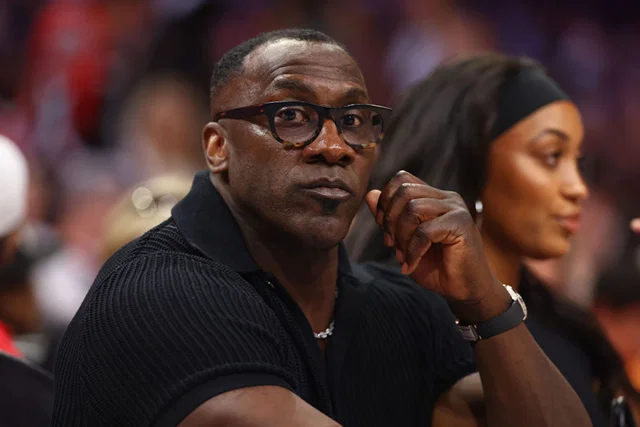
Pro Football Hall of Famer Shannon Sharpe has launched a strong criticism of Aaron Rodgers following the quarterback’s controversial allegations against Pittsburgh Steelers head coach Mike McCarthy. Sharpe questioned Rodgers’ leadership qualities, accused him of selfish behaviour and argued that his public comments about McCarthy reinforced concerns he had expressed about the veteran quarterback for more than a decade.
The criticism came on Wednesday, hours after the Steelers released Rodgers. The quarterback had appeared on ESPN’s The Pat McAfee Show earlier that day, where he made several accusations about McCarthy’s conduct, including claims that the coach fell asleep during meetings, skipped walkthroughs and had lost the confidence of much of the locker room.
Sharpe responded by revisiting his long-standing assessment of Rodgers, suggesting that the quarterback’s latest public remarks demonstrated why he had previously questioned his ability to lead a team. The former NFL tight end also connected Rodgers’ individual achievements with what he viewed as shortcomings in his leadership.
Shannon Sharpe Questions Aaron Rodgers’ Leadership
During his discussion, Sharpe described Rodgers as arrogant, aloof, flippant and condescending. He said he had previously criticised the quarterback’s leadership and argued that Rodgers’ career achievements did not necessarily reflect an ability to lead teammates effectively.
“I said he was arrogant, he was aloof, he was flippant, he was condescending,” Sharpe said. “And all you all did was complain to you-know-who. I said he lacked leadership. That explains why he’s a four-time MVP and only went to one Super Bowl. Because he’s not a leader of men. He’s always been selfish.”
Sharpe’s comments focused on the difference between individual success and leadership within a professional football team. Rodgers has won four NFL Most Valuable Player awards, but Sharpe argued that those accomplishments did not erase what he considered a lack of leadership.
His strongest criticism concerned Rodgers’ decision to discuss internal team issues publicly. Sharpe suggested that the quarterback’s latest interview was consistent with his earlier description of Rodgers as someone who prioritised his own perspective rather than taking responsibility for the wider situation.
The remarks added another layer to the controversy surrounding Rodgers and McCarthy. Their disagreement had already attracted attention because it involved allegations about coaching standards, team meetings and the atmosphere inside the Steelers’ locker room.
Sharpe Accuses Rodgers of Hypocrisy
Sharpe also questioned Rodgers’ apparent contradiction between presenting himself as someone who protected the locker room and publicly revealing internal complaints. According to Sharpe, the quarterback had spent years portraying himself as a defender of his teammates, but his comments about McCarthy brought private team matters into the national spotlight.
The former tight end argued that Rodgers’ decision to discuss a season’s worth of grievances on television did not match the image he had previously presented. His criticism was not limited to the specific accusations against McCarthy; it also focused on how Rodgers handled the disagreement.
The situation raised questions about the responsibilities of experienced players when disagreements with coaches develop. While players can have legitimate concerns about coaching decisions and team culture, the way those concerns are communicated can become another point of conflict.
Rodgers chose to discuss his complaints during a nationally televised appearance, making the dispute a major talking point beyond Pittsburgh’s organisation. Sharpe viewed that decision as further evidence of the leadership concerns he had previously raised.
Chad Johnson Highlights Steelers’ Wider Problems
Sharpe’s co-host, Chad “Ochocinco” Johnson, offered another perspective on the situation. Johnson pointed towards Rodgers’ supporting cast and the broader dysfunction surrounding the Steelers, suggesting that the controversy should also be viewed in the context of the team’s overall circumstances.
The discussion came as questions emerged about how Pittsburgh handled Rodgers’ departure. The quarterback said he learned about the team’s decision from tight end Pat Freiermuth rather than receiving the news directly from the organisation.
That detail added to the criticism surrounding the Steelers’ communication with their veteran quarterback. Rodgers’ account suggested that he was not informed directly by the team before learning about the decision through a teammate.
The circumstances surrounding his release also became part of the wider debate about the relationship between Rodgers, McCarthy and the Steelers organisation. While Sharpe concentrated on Rodgers’ leadership and public comments, Johnson pointed towards the team’s supporting cast and internal problems.
Mike McCarthy Admits His Philadelphia Halftime Mistake
Amid the controversy, Steelers head coach Mike McCarthy acknowledged that one part of the criticism surrounding him was justified. During a news conference on Wednesday, McCarthy described an incident involving the team’s halftime huddle in Philadelphia as an embarrassing mistake.
The moment involved McCarthy breaking down the team with the phrase “one, two, three, Packers” during the Philadelphia halftime huddle. The reference to his former team attracted attention, and McCarthy admitted that the incident was embarrassing.
His acknowledgement addressed one specific detail, but he did not accept Rodgers’ wider allegations about his coaching approach. McCarthy also responded to the situation by describing an ultimatum from Rodgers that he believed went beyond the quarterback’s responsibilities.
McCarthy said Rodgers delivered “an ultimatum that was clearly outside his job description.”
The coach further stated that the decisions to bench and release Rodgers were his own. He also made clear that those decisions had the full support of Steelers management.
McCarthy’s comments showed that the disagreement had extended beyond a single incident or difference of opinion. The coach stood by the organisational decisions while acknowledging that his Philadelphia halftime mistake had been embarrassing.
Steelers Initially Planned to Keep Rodgers After Benching
The circumstances surrounding Rodgers’ release also attracted attention following reporting from NFL Network’s Ian Rapoport. According to Rapoport, Pittsburgh had initially planned to keep Rodgers after benching him.
However, the organisation reportedly changed course after the quarterback’s appearance on The Pat McAfee Show. The timing of the decision placed Rodgers’ public allegations at the centre of the discussion about why the Steelers ultimately moved on from him.
The reported change in plans suggested that the organisation’s position was not necessarily final immediately after the benching. The interview appears to have become an important development in the sequence of events leading to Rodgers’ release, according to the report.
Rodgers is now on waivers following his departure from Pittsburgh. His immediate future remains uncertain, with questions about whether another NFL team will show interest in signing him.
Dianna Russini Questions Rodgers’ Potential Market
Dianna Russini also discussed Rodgers’ situation during The Russini Report. She said she did not expect there to be a significant market for the veteran quarterback.
Her assessment adds another question to Rodgers’ situation after his release. Although his four MVP awards and long NFL career give him an extensive record of individual success, the circumstances of his departure from Pittsburgh could influence how teams assess the possibility of bringing him into their organisations.
Any potential move would involve more than evaluating Rodgers’ past achievements. A team would also have to consider his current playing situation, expectations and the circumstances surrounding his recent disagreement with McCarthy.
For now, Rodgers remains on waivers, and no new destination has been confirmed in the supplied information.
Aaron Rodgers-Mike McCarthy Dispute Continues to Divide Opinions
The disagreement between Rodgers and McCarthy has generated different reactions from former players, commentators and people discussing the Steelers’ situation. Rodgers’ allegations focused on the coach’s conduct during meetings, walkthroughs and his relationship with the locker room.
McCarthy acknowledged the Philadelphia halftime incident but defended the decisions involving Rodgers. He maintained that the ultimatum was outside the quarterback’s job description and said the benching and release were decisions he made with management’s support.
Sharpe, meanwhile, viewed Rodgers’ public criticism as part of a much longer pattern. His comments focused on the quarterback’s character and leadership, arguing that individual awards and professional success do not automatically make someone an effective leader.
Johnson’s contribution added the wider team context, pointing towards Pittsburgh’s supporting cast and the dysfunction surrounding the organisation. Together, the different perspectives show how the controversy involves not only the relationship between a quarterback and his coach but also the Steelers’ handling of the situation.
What Happens Next for Aaron Rodgers?
Rodgers’ release leaves his immediate NFL future uncertain. With the quarterback now on waivers, attention will turn to whether another organisation considers adding him and what role he could potentially have elsewhere.
The reported lack of a significant market, as discussed by Russini, suggests that a quick move should not be assumed. Any potential opportunity will depend on the interest of other teams and their assessment of Rodgers’ circumstances.
For Pittsburgh, McCarthy has publicly taken responsibility for the decision to bench and release the quarterback. The coach’s acknowledgement of the Philadelphia halftime mistake addressed one part of the controversy, while his comments about Rodgers’ ultimatum made clear that he disagreed with the quarterback’s broader position.
Sharpe’s criticism has ensured that the debate extends beyond the Steelers’ decision. By questioning Rodgers’ leadership and accusing him of selfishness, the Hall of Famer has challenged the image of the veteran quarterback as a protector of the locker room.
As Rodgers moves onto waivers, the central questions remain unresolved: whether another team will pursue him, how the Steelers will move forward and how the public disagreement will affect the quarterback’s reputation. The next developments in Rodgers’ career will determine whether this episode becomes a brief chapter in his NFL journey or a defining moment in the final stage of his playing career.
For breaking news and live news updates, like us on Facebook or follow us on Twitter and Instagram. Read more on Latest NFL on thefoxdaily.com.






COMMENTS 0