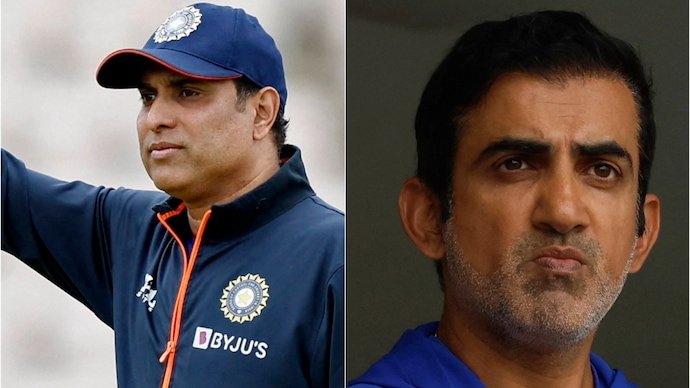
India’s 3-0 T20I series sweep over Zimbabwe has done more than restore confidence after a difficult overseas tour. The comprehensive victory has also triggered widespread discussion over the roles of VVS Laxman and Gautam Gambhir, with social media debating whether India’s long-serving stand-in coach deserves a permanent position. However, despite the online comparisons, Laxman has categorically dismissed any speculation, reiterating that he merely stepped in while Gambhir and the senior coaching staff took a scheduled break before India’s upcoming Test series against Sri Lanka.
The debate highlights the growing expectations surrounding Indian cricket’s coaching structure. While results often shape public opinion, the BCCI‘s long-term planning, player development system, and workload management strategy paint a much bigger picture than a single bilateral series.
How India’s Zimbabwe Tour Changed the Conversation
India arrived in Zimbabwe under pressure after enduring one of their toughest limited-overs tours in recent memory. The team’s disappointing performances in the United Kingdom had raised questions about consistency, leadership, and squad depth.
Instead of carrying that baggage into Zimbabwe, the visitors produced an entirely different brand of cricket. India completed a clean 3-0 sweep, displaying aggressive batting, disciplined bowling, and significantly improved teamwork throughout the series.
The convincing performances immediately shifted the narrative from criticism to optimism, with many fans praising the calm environment created by stand-in coach VVS Laxman.
Why Fans Began Comparing VVS Laxman and Gautam Gambhir
The coaching debate gained momentum after the BCCI shared a dressing-room video following India’s series victory. The footage captured an emotional exchange between Laxman and captain Shreyas Iyer as they reflected on the team’s turnaround.
The video quickly went viral across social media platforms, leading many supporters to credit Laxman’s composed leadership style for India’s resurgence. Comparisons with Gautam Gambhir soon followed, despite Gambhir’s absence being part of a pre-planned break rather than a coaching change.
For many fans, the contrast represented two different leadership styles rather than a competition between coaches. Laxman’s calm communication and player-first approach attracted praise, while Gambhir continues to be respected for his intensity, discipline, and competitive mindset.
Why VVS Laxman Was Coaching India in Zimbabwe
Contrary to speculation, Laxman’s appointment was never intended as a replacement for Gautam Gambhir.
The former India batter stepped in because the senior coaching staff were taking a scheduled break following an exhausting international assignment. With another important Test series approaching, the BCCI opted to manage workloads not only for players but also for the coaching group.
As Head of the BCCI’s Centre of Excellence, Laxman has regularly taken charge of India’s second-string squads whenever scheduling overlaps occur.
This arrangement has become an established part of India’s cricketing structure over the past several years.
Shreyas Iyer’s Leadership Earns Special Recognition
One of the biggest positives from the Zimbabwe series was the captaincy of Shreyas Iyer.
After facing criticism during previous assignments, Iyer responded with composed leadership that emphasized confidence, positivity, and unity within a relatively inexperienced squad.
Laxman publicly praised the captain for maintaining belief from the very beginning of the tour and for encouraging every member of the squad despite recent disappointments.
The appreciation reflected an important aspect of India’s evolving leadership philosophy—creating an environment where younger players feel trusted rather than pressured.
A Young Squad Rose to the Challenge
India’s squad in Zimbabwe featured several fresh faces, with multiple senior players unavailable.
Despite missing experienced performers, the team delivered consistent performances throughout the series. Young players embraced greater responsibility, while senior members of the squad ensured stability in crucial moments.
The successful combination demonstrated the strength of India’s player development pathway and the depth that has been built over the past decade.
What Laxman’s Coaching Philosophy Brings
VVS Laxman’s coaching style has earned admiration because of its emphasis on communication, confidence, and player development.
Rather than relying solely on tactical instructions, Laxman is widely regarded as someone who empowers players to express themselves naturally.
Several characteristics define his coaching approach:
- Calm communication under pressure.
- Strong emphasis on player confidence.
- Encouragement for younger cricketers.
- Positive dressing-room culture.
- Focus on long-term development instead of short-term reactions.
These qualities have repeatedly helped India perform well during tours where he has taken temporary charge.
Gautam Gambhir’s Role Remains Unchanged
Despite the online debate, there has been no indication that the BCCI is reconsidering India’s coaching structure.
Gautam Gambhir remains India’s full-time head coach and is expected to resume responsibilities during the upcoming Test series against Sri Lanka.
Laxman himself dismissed any speculation, explaining that stepping in for the senior side has been part of his responsibilities since taking charge of the Centre of Excellence.
His comments reinforced that India’s coaching system operates as a collaborative structure rather than competing individual roles.
Why the Centre of Excellence Matters
The BCCI’s Centre of Excellence plays a vital role in India’s cricket ecosystem.
Its responsibilities extend beyond training elite international players. The program supports talent identification, rehabilitation, workload management, technical development, and preparation across multiple age groups.
Laxman’s position allows him to work closely with:
- Senior men’s players.
- Women’s international cricketers.
- India A teams.
- Emerging domestic talent.
- Age-group pathway programs.
This continuous interaction provides valuable insight into players progressing toward international cricket.
Laxman’s Remarkable Record as Stand-In Coach
The Zimbabwe series added another successful chapter to Laxman’s growing reputation as India’s dependable stand-in coach.
Whenever India’s primary coaching group has been unavailable, he has consistently delivered positive results while maintaining stability inside the dressing room.
| Assignment | Laxman’s Role | Outcome |
|---|---|---|
| Ireland Tours | Stand-in Head Coach | Successful series management |
| Zimbabwe Tours | Stand-in Head Coach | Multiple series victories |
| Asian Games 2023 | Head Coach | India won men’s cricket gold medal |
| Zimbabwe 2026 | Stand-in Head Coach | India completed a 3-0 T20I sweep |
His consistency has made him one of the BCCI’s most trusted figures whenever scheduling demands separate coaching groups.
What India’s Zimbabwe Success Revealed
Beyond the series result, India’s performances highlighted several encouraging developments.
- Strong squad depth.
- Improved leadership from younger captains.
- Emerging players adapting quickly to international cricket.
- Balanced contributions from batting and bowling units.
- Positive team culture despite recent setbacks.
These factors are likely to influence future squad selections as India prepares for major ICC tournaments and multi-nation events.
Why Social Media Reactions Don’t Always Reflect Reality
Modern cricket discussions often become heavily influenced by short-term results.
A successful series can generate widespread calls for changes, while a disappointing performance may trigger criticism of established systems. However, national cricket boards typically evaluate coaching appointments over much longer periods.
The Zimbabwe series showcased Laxman’s strengths, but it did not alter the BCCI’s long-term coaching roadmap.
Instead, it reinforced the effectiveness of having experienced coaches capable of seamlessly stepping into leadership roles whenever required.
Comparison: VVS Laxman and Gautam Gambhir’s Current Responsibilities
| Aspect | VVS Laxman | Gautam Gambhir |
|---|---|---|
| Current Position | Head of BCCI Centre of Excellence | India Men’s Head Coach |
| Primary Responsibility | Player development and pathway programs | Senior national team |
| Zimbabwe Series | Stand-in coach | Scheduled break |
| Upcoming Assignment | Development and future stand-in duties | Sri Lanka Test series |
What This Means for India’s Future
India’s coaching structure appears designed to ensure continuity regardless of scheduling challenges.
Having experienced leaders such as Gambhir and Laxman working within clearly defined roles allows the national team to maintain consistency across formats while also nurturing future talent.
This depth extends beyond players to coaching, support staff, sports science, and performance management, creating a system capable of handling the increasingly demanding international calendar.
Future Outlook
As India shifts focus toward the Test series against Sri Lanka and upcoming international tournaments, Gautam Gambhir will reassume charge of the senior side.
Meanwhile, VVS Laxman is expected to continue overseeing India’s emerging talent through the Centre of Excellence while remaining the BCCI’s trusted choice whenever parallel assignments require a separate coaching group.
The Zimbabwe success may have sparked lively debate among supporters, but it ultimately highlighted the strength of India’s overall coaching ecosystem rather than a contest between two respected cricketing minds.
Conclusion
India’s unbeaten tour of Zimbabwe will be remembered not only for its dominant performances but also for the renewed discussion surrounding the national team’s coaching setup. While social media comparisons between VVS Laxman and Gautam Gambhir captured public attention, the reality remains straightforward.
Laxman successfully fulfilled his role as India’s dependable stand-in coach, guiding a young squad to an impressive series victory before handing responsibilities back to Gambhir. Rather than creating uncertainty, the Zimbabwe tour demonstrated the depth, stability, and long-term planning that continue to define Indian cricket both on and off the field.
For breaking news and live news updates, like us on Facebook or follow us on Twitter and Instagram. Read more on Latest Sports on thefoxdaily.com.






COMMENTS 0