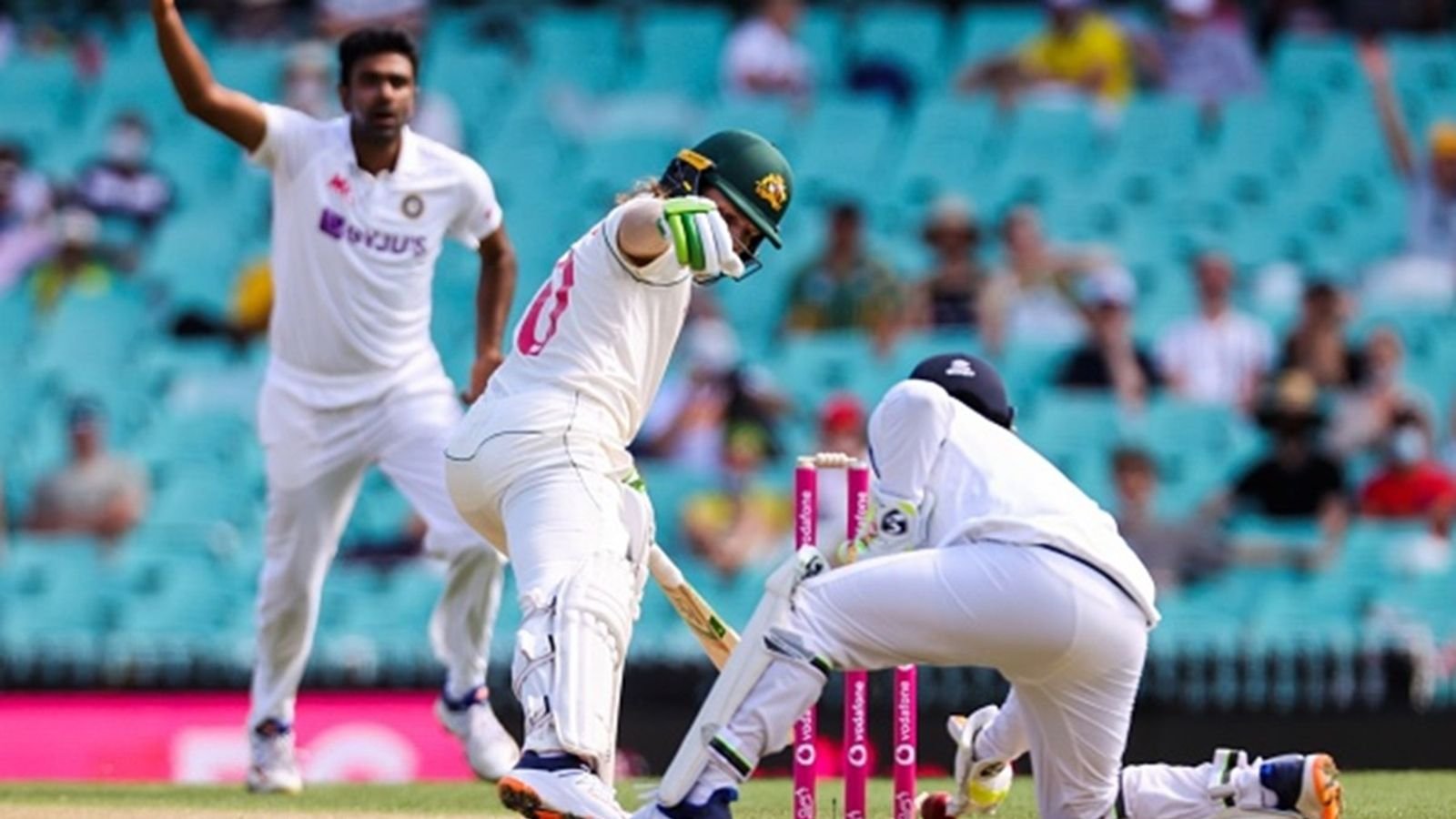
Will Pucovski’s cricket career was shaped by extraordinary batting talent and an increasingly difficult history of concussion-related setbacks, and the former Australia batter has now launched legal proceedings against his former school over an injury he suffered at 16.
Pucovski, who retired from professional cricket in 2025 at the age of 27, is seeking legal action against Brighton Grammar over the alleged handling of a concussion sustained during a football training session in 2014. According to reports cited in the source material, his lawyers allege that the school did not provide appropriate medical care and that he continued training after the incident.
The legal case is separate from the sporting debate surrounding Pucovski’s career. It does not establish that the school was legally responsible for his later health problems, and the allegations will need to be considered through the legal process. What the case does highlight, however, is the importance of concussion management in young athletes and the potential consequences when head injuries are not treated with sufficient caution.
Pucovski went on to become one of Australia’s most highly regarded young batters, eventually making his Test debut against India during the 2020-21 Border-Gavaskar Trophy. But repeated concussion problems repeatedly interrupted his progress, and his professional career ultimately ended far earlier than many expected.
What is the legal case involving Will Pucovski?
Pucovski is suing Brighton Grammar over the alleged mishandling of a concussion he suffered during football training in 2014.
The incident occurred when Pucovski was 16. According to allegations made by his lawyers, he suffered a concussion after being involved in a tackle during a football training session but did not receive the level of medical attention they believe was appropriate.
The legal claim reportedly centres on the school’s alleged duty of care toward Pucovski as a student and athlete.
It is important to distinguish between an allegation and an established finding. A lawsuit allows the parties to present their respective evidence and arguments; it does not by itself prove that the defendant caused a person’s later medical or sporting difficulties.
The significance of the case therefore extends beyond the individual dispute. It raises questions about how schools and sporting organisations should respond when young athletes experience suspected concussions.
The football incident that Pucovski says changed his life
Pucovski has previously spoken publicly about the football incident and described it as a defining moment in his life.
He recalled being involved in a tackle during training before being knocked into the knee of a friend who was moving in the opposite direction.
“It is probably the biggest day of my life in a weird way because I have never felt the same since that day.”
According to the account included in reports about the legal action, Pucovski later developed blurred vision and his condition worsened to the point that he required hospitalisation approximately a week after the incident.
That sequence is now part of the wider context surrounding his legal claim.
For Pucovski, the significance of the event is not simply that it happened during a football session. It represents the beginning of a long and complicated relationship with concussion that followed him through his cricket career.
Pucovski suffered repeated concussions during his cricket career
By the time he retired from professional cricket, Pucovski had experienced 13 concussions, according to the source material.
The repeated injuries created long interruptions in his career and made his return to competitive cricket increasingly difficult.
Concussion is particularly complicated in professional sport because recovery is not always determined by the seriousness of the initial incident alone. Symptoms can vary considerably between individuals, and medical professionals must consider the player’s condition before determining an appropriate return-to-play process.
For an athlete whose career depends on concentration, reaction time and confidence, prolonged symptoms can also create significant sporting challenges.
Pucovski’s career illustrates that difficulty particularly clearly. He possessed the batting ability to reach the highest level, but staying consistently available for selection proved much harder.
Why concussion management matters in young athletes
The case also highlights why concussion management is particularly important when the athlete is a teenager.
Young athletes may be eager to continue playing because they do not want to lose their place in a team or disappoint teammates and coaches. That makes the responsibility of adults around them especially important.
Coaches, teachers, medical staff and sporting organisations all have a role in recognising possible concussion and making sure that the athlete is assessed appropriately.
The key principle is straightforward: the immediate priority after a suspected concussion should be the athlete’s wellbeing rather than the continuation of training or competition.
This is particularly important in school sport because teenagers are still developing physically and are often competing in environments where professional-level medical resources may not always be available.
Pucovski’s cricket career showed how much potential he had
It would be easy to remember Pucovski only for his injury problems, but doing so would overlook how talented he was as a batter.
Before reaching Test cricket, he developed a strong reputation in Australian domestic cricket. His first-class numbers demonstrated why selectors viewed him as a potential long-term international player.
Pucovski finished his first-class career with 2,350 runs from 36 matches, averaging 45.19. He scored seven centuries and nine fifties.
Those numbers underline the quality of his batting. He was not selected for Australia simply because of potential; he had already produced substantial performances in first-class cricket.
The Test debut that seemed to confirm his potential
Pucovski finally received his opportunity at Test level during Australia’s 2020-21 series against India.
His debut came at the Sydney Cricket Ground during the third Test of the Border-Gavaskar Trophy.
He responded with an impressive first-innings performance, scoring 62 runs from 110 deliveries. For a player making his Test debut against a strong Indian attack, the innings offered a glimpse of the composure and technical ability that had made him such a highly rated prospect.
He was dismissed cheaply in the second innings by Mohammed Siraj, while the Test itself ended in a draw.
But the debut remained an important milestone. Pucovski had finally reached the level that his domestic performances suggested was possible.
The problem was that his career never received the uninterrupted run that many expected after that breakthrough.
The cruel contrast between talent and opportunity
Pucovski’s story is a powerful example of how sporting careers can be shaped by factors beyond talent.
A player can possess the technique, temperament and statistical record required for international cricket and still struggle to build a long career if injuries repeatedly interrupt progression.
In Pucovski’s case, concussion became the recurring obstacle.
Every return required another assessment of whether he was ready to resume competitive cricket. Every setback created another interruption. Over time, the cycle affected his ability to maintain continuity.
For a batter, rhythm matters. Regular competition allows a player to settle into a routine, understand their game and build confidence. Repeated breaks can make that process much harder.
His final professional appearance came in the Sheffield Shield
Pucovski’s last professional appearance came in a Sheffield Shield match against Tasmania.
During that match, he was struck by a bouncer from Riley Meredith and left the field retired hurt after facing only two deliveries.
The incident became another difficult moment in a career already heavily affected by concussion issues.
By this stage, the question was no longer simply whether Pucovski could return for another match. The bigger issue was whether continuing professional cricket was appropriate for him.
That eventually led to his decision to retire.
Why Pucovski retired at just 27
Pucovski announced his retirement from professional cricket in 2025.
His comments after stepping away showed that the impact of his struggles extended beyond the cricket field. He described a difficult period in which he was sleeping a lot and struggled with basic household responsibilities.
“From there it’s been a tough year, a lot of the symptoms didn’t go away, which has led me to this decision.”
His decision demonstrates why retirement cannot always be understood simply through statistics or age.
At 27, Pucovski was still young by professional cricket standards. In a normal sporting career, that could represent the beginning of a player’s prime years. But his circumstances were different, and he ultimately decided that continuing was not the right path for him.
The bigger lesson for cricket and school sport
Pucovski’s legal action creates an opportunity to examine an issue that extends well beyond Australian cricket.
Concussion management has become a major part of modern sports medicine, particularly in contact sports such as football and rugby. Cricket also has concussion protocols because batters can be exposed to fast deliveries and other potential impacts.
The most important lesson is that suspected concussion should never be treated as an ordinary sporting knock.
A young athlete may feel pressure to prove they are fine, but symptoms can emerge or change after the initial incident. That makes proper assessment and monitoring crucial.
Schools are particularly important because they are often where young athletes first encounter organised contact sport. The systems used at that level can influence how athletes understand injury and recovery throughout their careers.
What the case could mean for duty of care in youth sport
The legal dispute could also draw attention to the responsibilities schools have when students participate in competitive sport.
If an athlete suffers a suspected head injury, questions can arise about who recognised the injury, what assessment was provided, whether the athlete was removed from activity and what follow-up occurred.
The answers to those questions will depend on the evidence presented in the case.
It would therefore be premature to draw a final conclusion about Brighton Grammar’s responsibility for Pucovski’s later career problems.
However, the case illustrates why clear concussion protocols are essential. Having a process is not enough if the people responsible for implementing it do not understand when and how it should be used.
Pucovski’s career should not be reduced to his injuries
There is another important point that can easily get lost in the discussion.
Pucovski was more than the number of concussions he suffered.
He was a highly successful first-class batter who scored heavily, earned international selection and made a memorable Test debut. His career statistics show genuine quality, even though his time at the highest level was limited.
His story therefore contains both sporting achievement and personal difficulty.
The fact that he reached Test cricket despite repeated interruptions speaks to his ability and determination. The fact that he eventually chose to retire also demonstrates the seriousness with which he had to consider his long-term wellbeing.
What happens next in the legal case?
The next stage will depend on the legal process and the evidence presented by both sides.
Pucovski’s lawyers have made allegations regarding the handling of his 2014 injury, while the court process will determine how those claims are assessed.
The connection between a teenage concussion and later career difficulties is also a complex matter that requires careful medical and legal consideration. A lawsuit should not be interpreted as proof of causation before the relevant evidence has been examined.
That distinction is important when discussing any ongoing legal dispute.
Conclusion: Pucovski’s story raises questions bigger than cricket
Will Pucovski’s career remains one of Australian cricket’s most striking stories of talent interrupted by repeated concussion problems. He reached Test cricket, scored a half-century on debut and finished with an impressive first-class record, yet his career was repeatedly disrupted before he retired at 27.
His decision to sue Brighton Grammar relates to an alleged failure in the management of a concussion he suffered as a teenager during football training. The allegations will ultimately need to be considered through the legal process, and the case should not be treated as proof that the school caused every subsequent problem in his career.
What is already clear is that Pucovski’s experience highlights the importance of taking head injuries seriously, particularly when they occur in young athletes.
His career also offers a broader lesson for sport: protecting talented young players is not only about helping them reach the professional level. It is also about ensuring that the systems surrounding them prioritise their long-term wellbeing when difficult decisions have to be made.
Pucovski may have retired from professional cricket at 27, but his experience could continue to influence the conversation around concussion awareness, duty of care and the protection of young athletes in Australian sport.
For breaking news and live news updates, like us on Facebook or follow us on Twitter and Instagram. Read more on Latest Cricket on thefoxdaily.com.

COMMENTS 0