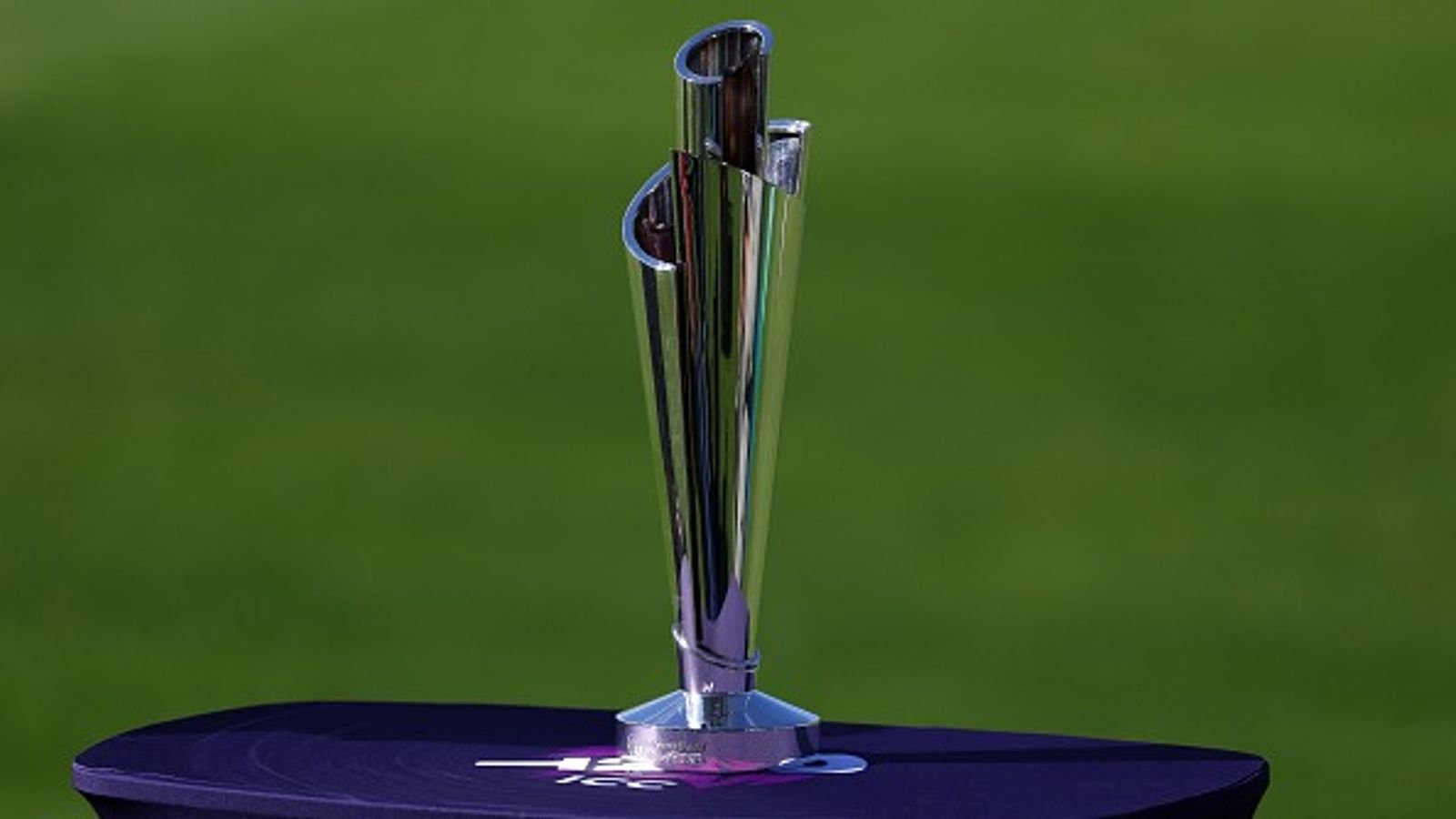
The Women’s T20 World Cup 2026 final match officials have officially been confirmed by the International Cricket Council (ICC), setting the stage for one of the most anticipated matches in women’s cricket. Hosts England will face defending powerhouse Australia at the iconic Lord’s Cricket Ground on July 5, with an experienced officiating panel selected to oversee the high-pressure encounter.
While much of the focus ahead of the final revolves around star players, tactical battles, and championship ambitions, the role of match officials is equally important. In modern cricket, where every decision can influence the outcome of a global tournament, the ICC’s choice of officials reflects its commitment to maintaining fairness, consistency, and the highest standards of officiating.
ICC Reveals Complete Match Officials Panel for the Final
The ICC has assembled a highly experienced officiating team for the Women’s T20 World Cup final.
| Role | Official |
|---|---|
| On-Field Umpire | Jacquline Williams |
| On-Field Umpire | Vrinda Rathi |
| Third Umpire | Kim Cotton |
| Fourth Umpire | Nimali Perera |
| Match Referee | GS Lakshmi |
The selection highlights the ICC’s confidence in a group of officials who have consistently delivered strong performances throughout the tournament.
Jacquline Williams Brings Valuable Final Experience
Among the appointed officials, Jacquline Williams enters the final with significant experience at the highest level. This will be her second Women’s T20 World Cup final as an on-field umpire, having previously officiated the championship match in 2023.
Williams has become one of the most respected figures in international umpiring, known for her calm decision-making, game management skills, and ability to handle pressure during major tournaments.
Her familiarity with both finalists could prove beneficial. During this World Cup, she has already officiated several matches involving England and Australia, giving her a strong understanding of both teams’ playing styles and match dynamics.
Vrinda Rathi Achieves a Major Career Milestone
The appointment of Vrinda Rathi represents a significant moment in her officiating career. The Indian umpire will stand in her first-ever ICC World Cup final as an on-field official.
Rathi’s rise reflects the growing global development of women officials in international cricket. Over recent years, the ICC has invested heavily in expanding opportunities for female match officials, and her selection demonstrates the success of those efforts.
Having already officiated important matches during the tournament, including Australia’s semi-final victory and England’s group-stage fixtures, Rathi has earned the trust of the ICC through consistent performances.
The Importance of the Third Umpire in Modern Cricket
Kim Cotton’s role as third umpire may be one of the most crucial positions in the final.
Modern cricket relies heavily on technology-assisted decision-making. From run-out reviews to boundary checks and close catches, third umpires are frequently called upon to make game-changing decisions.
With the stakes at their highest, Cotton’s experience will be essential in ensuring that every review is handled accurately and efficiently.
In major finals, even a single decision can become a defining moment, making the third umpire’s contribution more important than ever.
GS Lakshmi Continues Her Leadership Role
Veteran match referee GS Lakshmi will oversee the contest and ensure that the match operates smoothly according to ICC regulations.
The match referee’s responsibilities extend beyond what fans typically see on television. From monitoring player conduct and maintaining discipline to coordinating with officials and team management, the role is critical to the successful execution of international matches.
Lakshmi’s appointment underlines the ICC’s preference for experienced leadership during marquee events.
Why Match Officials Matter More Than Ever
Cricket has evolved dramatically over the past decade. The introduction of advanced technology, Decision Review Systems (DRS), player tracking, and broadcast innovations has increased scrutiny on every aspect of officiating.
As a result, modern umpires are expected to combine traditional decision-making skills with an understanding of technology-assisted processes.
The Women’s T20 World Cup final will likely be watched by millions of fans worldwide, making accuracy and consistency essential.
- Every LBW decision could influence momentum.
- Every run-out review may impact the result.
- Every over-rate assessment could affect team strategy.
- Every disciplinary decision must be handled fairly.
The officiating team therefore becomes a vital component of the spectacle.
England vs Australia: A Rivalry Worthy of the Biggest Stage
The appointment of a strong officiating panel reflects the magnitude of the contest itself.
England and Australia share one of the fiercest rivalries in cricket history. Across formats and generations, matches between the two nations have consistently produced memorable moments.
This final adds another chapter to that rivalry.
England enter the match with home support and momentum, hoping to capture a major ICC trophy in front of their fans. Australia, meanwhile, are aiming to add yet another global title to their remarkable collection and reinforce their status as the dominant force in women’s cricket.
A Growing Era for Women’s Cricket
The announcement of the match officials also highlights the broader growth of women’s cricket.
Major ICC events are attracting larger audiences, increased sponsorship investment, and greater media coverage than ever before.
Equally important is the rise of women officials taking prominent roles in global tournaments.
Appointments such as those of Jacquline Williams, Vrinda Rathi, GS Lakshmi, Kim Cotton, and Nimali Perera showcase the expanding opportunities available within the sport beyond playing careers.
This progress contributes to cricket’s long-term goal of creating a more inclusive and globally representative ecosystem.
Key Storylines Heading into the Final
- Can England capitalize on home conditions at Lord’s?
- Will Australia continue their tradition of delivering in ICC finals?
- Can the officiating team maintain consistency under immense pressure?
- Which players will rise to the occasion on cricket’s biggest stage?
- Will the final produce another iconic chapter in the England-Australia rivalry?
A Unique Perspective: The Invisible Pressure on Match Officials
One aspect often overlooked before major finals is the pressure faced by officials themselves.
Players can recover from a poor performance in future matches. Officials in a World Cup final do not get that luxury. Every decision is scrutinized instantly by broadcasters, analysts, former players, and millions of fans on social media.
In many ways, the best performance for an umpire is one that goes unnoticed.
If fans leave Lord’s discussing brilliant cricket rather than controversial decisions, the officiating team will have succeeded in its mission.
Conclusion
The confirmation of the Women’s T20 World Cup 2026 final match officials completes another important piece of the puzzle ahead of the highly anticipated England vs Australia showdown at Lord’s.
With Jacquline Williams and Vrinda Rathi leading the on-field team, supported by Kim Cotton, Nimali Perera, and GS Lakshmi, the ICC has entrusted some of its most respected officials with cricket’s biggest women’s match of the year.
As two cricketing giants battle for global supremacy, the officiating panel will play a crucial role in ensuring that the final is remembered for the quality of cricket on display and the crowning of a deserving world champion.
For breaking news and live news updates, like us on Facebook or follow us on Twitter and Instagram. Read more on Latest Sports on thefoxdaily.com.






COMMENTS 0