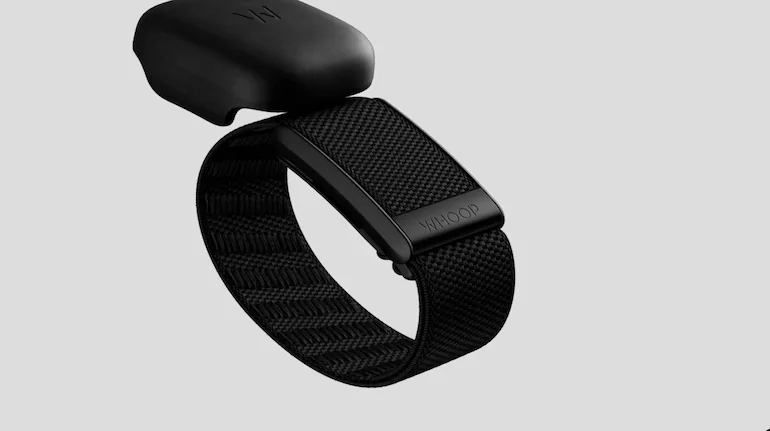
Wearable fitness company Whoop has introduced Humans, an in-app social networking feature that allows members to connect with friends and family while sharing selected health, recovery and workout data. The feature began rolling out on November 12, 2026, bringing a social dimension to a platform traditionally focused on personal health monitoring and performance tracking.
Unlike conventional Social Media platforms built around text updates, entertainment and user-generated posts, Whoop Humans centres on physiological information collected through the company’s wearable tracker. Members can follow people they know, view the metrics those users choose to share and post achievements related to their fitness and daily routines.
Whoop is positioning the feature as a more personal and health-focused alternative to traditional social networks. The company says accounts are linked to real people wearing its tracker, with a heartbeat used for verification. It also emphasises that the network is designed to avoid bots and AI-generated posts.
The launch introduces two connected features: Humans, which provides the social network, and Moments, which allows members to add photographs and personal context to their activity data. Users retain control over what information appears on their profiles and can change their sharing preferences at any time.
What Is Whoop Humans?
Humans is a social networking layer integrated into the Whoop app. It allows members to follow friends and family who use the company’s wearable devices and view the Health and Fitness information they have chosen to make visible.
The feature moves beyond the traditional individual fitness dashboard by allowing users to see selected performance indicators from other members. Instead of sharing general status updates, members can communicate through their activity, recovery and workout information.
For example, users may share how well they slept, how their bodies recovered after physical activity or how much strain they experienced during a workout. Friends and family can follow these updates to understand each other’s fitness routines and progress.
The approach makes physiological data the central element of social interaction. Rather than relying on likes, comments or conventional text-based posts as the primary form of engagement, Humans connects people through measurable aspects of their daily health and activity.
However, participation is restricted to people who use Whoop’s tracker. This means the network is not an open social platform where anyone can create an account without owning or using the company’s Wearable Technology.
What Can Members Share on Whoop Humans?
Whoop Humans allows members to share several categories of health and fitness information. The available data includes sleep, recovery, strain, workouts and personal achievements.
Sleep information can help members show how much rest they are getting and how their sleeping patterns are changing. Recovery data offers an indication of how prepared the body may be for physical activity, while strain reflects the physiological load associated with daily activities and exercise.
Members can also share workouts and achievements, giving friends and family a view of their fitness progress. These updates can make it easier to celebrate personal milestones, compare activity patterns and encourage one another to maintain consistent routines.
Whoop has clarified that Humans is not intended to function as a conventional text-status platform. Its focus remains on activity and health information generated through the wearable ecosystem rather than open-ended written updates.
Whoop Introduces Moments for Photos and Personal Milestones
Alongside Humans, Whoop has introduced Moments, a feature that allows members to attach photographs to their activity data. The addition gives users a way to provide visual context to the numbers recorded by their wearable devices.
For example, someone completing a marathon could share a photograph from the event alongside relevant fitness information. Another member could document a personal milestone, a training session or an outdoor activity by combining an image with performance data.
This approach addresses a limitation of purely data-driven fitness sharing. Metrics such as recovery scores, sleep duration and strain levels can describe physical activity, but they do not always explain the experience behind it.
Moments adds a personal element by connecting the recorded information with the events and experiences that produced it. Users can also keep Moments private, meaning that adding a photograph does not automatically require making it visible to their social network.
How Whoop Is Differentiating Humans From Traditional Social Media
Whoop is presenting Humans as an alternative to social platforms that rely heavily on text posts, automated accounts and AI-generated content. The company argues that conventional social networks are increasingly filled with material produced by artificial intelligence and accounts that do not necessarily represent genuine individuals.
Its proposed distinction is that every Humans account is tied to someone wearing a Whoop tracker. According to the company, a heartbeat-based verification process helps establish that accounts belong to real people.
The platform also relies on physiological information generated through the wearable device. This creates a different model of social participation, where the content is connected to measurable activity rather than simply being published as a written or generated update.
However, linking accounts to wearable devices does not automatically guarantee that every shared update represents a complete or independently verified picture of someone’s health. The information reflects the measurements and estimates produced by the device and the data a member chooses to disclose.
Whoop’s broader argument is that people can build meaningful connections around fitness and personal progress without exposing every aspect of their lives. The company is therefore combining social interaction with controls designed to limit the visibility of sensitive health information.
Whoop Humans Privacy Controls: What Information Can Members Hide?
Health and fitness information can be more sensitive than ordinary social media content. Sleep patterns, heart-rate measurements and recovery indicators may reveal details about a person’s physical condition, lifestyle and daily routine.
Recognising these concerns, Whoop has introduced several privacy controls that allow members to decide what information they share and who can access it. The settings are designed to give users control at both the individual metric and follower levels.
1. Metric-Level Sharing
Members can independently choose whether to share specific health and performance metrics. The available controls cover Recovery, Strain, Sleep, heart rate variability (HRV) and resting heart rate.
This means users do not have to make their entire health dashboard visible simply because they want to participate in Humans. They can share selected information while keeping other measurements private.
For example, a member may choose to display workout-related information but hide resting heart rate and HRV. This level of control is important because different users may have different comfort levels when it comes to sharing personal health data.
2. Follower Management
Whoop gives members control over who can follow them on Humans. Users can decide which people are allowed to access their shared information and remove followers from their network when necessary.
This is particularly relevant for a platform dealing with health-related information. A user may be comfortable sharing fitness progress with close friends but may not want acquaintances or unfamiliar people to see the same data.
Follower management allows members to maintain a more controlled network rather than automatically making their information available to a broad audience.
3. Stealth Mode
Stealth Mode allows members to temporarily hide their shared health and performance information. The feature is designed for situations where users want to stop displaying their data without changing their existing sharing preferences.
For example, someone may want to take a break from sharing during a personal period, while travelling or when they simply prefer to keep their activity private for some time.
The important distinction is that Stealth Mode provides temporary visibility control. Members can hide their information for a period while leaving their underlying sharing settings unchanged.
4. Sensitive Activities Remain Private
Whoop has also introduced controls for activities marked as sensitive. Such activities are not shared with the network unless the member explicitly chooses to make them visible.
This is an important safeguard because not every recorded activity is appropriate for social sharing. Users may have personal reasons for keeping certain workouts or health-related information away from their followers.
By making sensitive activities private by default, the platform gives members an additional layer of control over what appears in their social feed.
5. Control Over Workouts and Achievements
Members can decide which types of workouts and achievements appear on Humans. This allows them to share selected milestones without making every recorded activity part of their social profile.
The feature is intended to make sharing more selective. A member may want to highlight a major fitness achievement while keeping routine activities or personal training sessions private.
Whoop says sharing preferences can be changed at any time, allowing members to adjust their visibility as their needs and comfort levels change.
Why Whoop Is Turning Fitness Tracking Into a Social Experience
The launch of Humans reflects a broader opportunity for wearable technology companies to expand beyond individual health monitoring. Fitness trackers already collect information about sleep, physical activity, heart rate and recovery. Social features can give that information a new purpose by allowing users to share selected progress with people they know.
For many people, maintaining a fitness routine can be difficult without motivation or encouragement. Seeing a friend’s training progress or celebrating a family member’s achievement may help create a sense of accountability.
Social interaction can also make fitness tracking feel less isolated. Instead of checking personal metrics alone, members can connect their progress with a wider community of people following similar routines.
However, the value of such a network will depend on how users respond to the idea of sharing health data. Some may welcome the opportunity to connect through fitness, while others may prefer to keep their measurements private.
Whoop’s privacy controls are therefore central to the feature’s appeal. The company needs to make social sharing useful without making members feel pressured to reveal information they would rather keep personal.
How Humans Could Strengthen Whoop’s Wearable Ecosystem
By integrating a social network directly into its app, Whoop is expanding the role of its wearable ecosystem. The company is no longer relying exclusively on individual performance tracking as the main reason for members to engage with the platform.
Humans could encourage more frequent interaction by giving members a reason to check their friends’ progress, share achievements and participate in fitness-related conversations through their data.
The feature may also make the platform more attractive to people who value community-based motivation. Friends and family members using the same wearable ecosystem can build connections around shared interests in training, recovery and physical performance.
Moments adds another layer by combining photographs with fitness information. This could help users document their progress and personal experiences while keeping the underlying health data under their control.
Nevertheless, the feature’s restricted membership model creates a clear limitation. People who do not own or use a Whoop tracker cannot participate in the network in the same way. Its growth will therefore depend partly on the size of the company’s existing user base and how many members choose to activate the social features.
What Users Should Consider Before Sharing Health Data
Although Humans includes several privacy controls, members should consider carefully which information they want to make visible. Health and activity metrics can reveal more than fitness performance alone, particularly when shared consistently over long periods.
Sleep patterns, resting heart rate and recovery measurements may provide clues about a person’s daily routine and physical condition. Sharing such information with friends may be comfortable for some users, but others may prefer to limit access to selected metrics.
Members should also remember that wearable measurements are not a complete medical assessment. Fitness trackers can help users monitor trends and understand aspects of their activity, but their readings should not automatically be treated as a medical diagnosis.
Before using Humans, members should review their follower lists, check individual metric-sharing settings and understand how Stealth Mode and sensitive-activity controls work. They should also consider whether photographs shared through Moments reveal personal details about their location or activities.
Whoop Humans Rollout: What Happens Next?
Whoop began rolling out Humans on November 12, 2026. The feature is being introduced as part of the company’s existing app experience, allowing eligible members to connect with friends and family who also use its wearable tracker.
The launch adds a social dimension to a platform built around health and performance monitoring. Its combination of shared fitness metrics, follower controls and photo-based Moments gives members new ways to interact without requiring conventional text-based social posts.
The longer-term success of Humans will depend on whether users find value in sharing their health and fitness progress with others. It will also depend on how effectively Whoop maintains trust around personal data, particularly as wearable devices collect increasingly detailed information about everyday life.
For now, Humans represents a notable expansion of Whoop’s app strategy. By connecting verified wearable users through selected physiological data, the company is attempting to create a social network where fitness progress and personal achievements take priority over traditional social media content.
For breaking news and live news updates, like us on Facebook or follow us on Twitter and Instagram. Read more on Latest Technology on thefoxdaily.com.






COMMENTS 0